


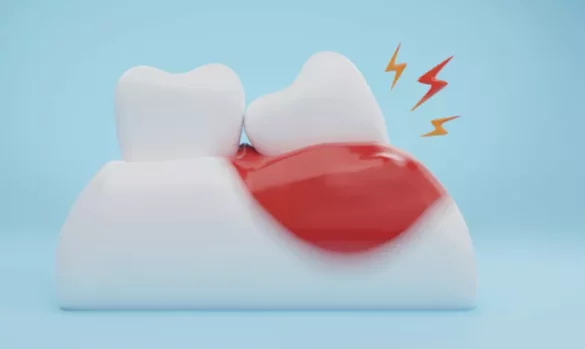
Pericoronitis is a dental condition that affects the soft tissues surrounding a partially erupted tooth. It occurs most often around lower wisdom teeth. These molars erupt late. They erupt between ages 17 and 25. They often lack space. They become partially covered by gum tissue. This gum flap is called the operculum. Food becomes trapped. Bacteria accumulate.
Inflammation develops. Pain increases. Swelling worsens. Many patients struggle to open their mouths. Some develop bad breath. Others experience a bad taste. Some feel pain when chewing. Some feel pain when swallowing.
The condition may be mild. It may also be moderate. It can become severe. In rare cases, it spreads beyond the mouth. The infection may move to the cheek. It may move to the neck. It may lead to systemic illness. It may cause fever. It may cause difficulty swallowing. It may cause difficulty breathing. These cases require urgent care. Many patients assume antibiotics are always required. They are not. Dentists choose treatment carefully. They consider severity. They consider symptoms.
They consider risk. They consider medical history. They consider systemic involvement. Antibiotics are helpful in limited situations. They are not needed for all cases.
Why Antibiotic Use Has Become a Concern
Antibiotics are valuable. They save lives. They controls dangerous infections. However, they must be used cautiously. They must be used responsibly. Overuse leads to resistance. Many bacteria learn to survive antibiotic exposure. They become stronger. They become harder to treat. Antibiotic resistance is a global health threat. It leads to treatment failures. It leads to prolonged infections. It complicates surgeries. It increases risks in hospitals. It affects communities. Dentists contribute to this issue if they prescribe antibiotics unnecessarily.
Pericoronitis is a condition where antibiotics were historically prescribed frequently. Dentists once gave antibiotics for almost all cases. Evidence has changed. Research shows that most mild or moderate pericoronitis does not require antibiotics. Local treatment is usually enough. Mechanical cleaning is effective. Irrigation is effective. Debridement is effective. Warm salt-water rinses help. Antiseptic mouthwash helps. Better oral hygiene helps. Pain relievers help. These steps eliminate bacteria. They control inflammation. They reduce symptoms. They offer excellent results without antibiotics.
When Antibiotics Are Not Required
Antibiotics are often unnecessary. Most cases of pericoronitis are localized. They are limited to the gum tissue around the tooth. They do not spread. They do not cause fever. They do not produce systemic symptoms. Dentists focus on local therapy first. They aim to remove the cause of inflammation. They aim to reduce bacterial buildup. They aim to improve oral cleanliness. Local treatment offers direct control. It delivers immediate relief. It prevents unnecessary antibiotic exposure.
Management of Mild Pericoronitis
Mild pericoronitis presents with mild pain. There is minimal swelling. The gum tissue looks red. It may feel tender. The patient usually has no fever. The lymph nodes are not swollen. Mouth opening is normal. The infection is localized. In these cases, dentists rely on conservative management. They irrigate the area. They flush away food. They flush away debris. They use sterile saline. They may use chlorhexidine. This antiseptic reduces bacteria. The dentist may lift the gum flap slightly.
They may clean beneath it. The dentist instructs the patient to rinse at home. Warm salt water is recommended.
Chlorhexidine mouthwash may be prescribed. The patient maintains good brushing. The symptoms improve within days. No antibiotics are needed.
Management of Moderate Pericoronitis
Moderate pericoronitis shows greater inflammation. There is more swelling. The pain is stronger. The gum flap may trap more food. Bad breath may appear. There may be difficulty chewing. Even in moderate cases, antibiotics are not always required. The dentist still focuses on local control. They clean thoroughly. They irrigate deeply. They may remove necrotic tissue. They may prescribe analgesics. Ibuprofen helps reduce swelling. Acetaminophen helps reduce pain. The dentist may advise warm compresses. They may recommend soft foods. As long as symptoms remain localized, local treatment is effective. Patients recover well. No antibiotics are required.
When Antibiotics Are Necessary
Some cases require antibiotics. These cases show signs of spreading infection. They show signs of systemic involvement.
They show signs of airway risk. Dentists identify these signs quickly. They treat aggressively. They monitor the patient closely. Antibiotics are used to stop spread. They are used to prevent complications. They are used to protect the patient’s health. Understanding these red flags helps patients know when antibiotics are essential.
Signs of Spreading Infection
Spreading pericoronitis is serious. The infection moves beyond the operculum. It spreads into the cheek. It spreads into the jaw. It spreads into the floor of the mouth. It may spread into deeper spaces. Symptoms become more severe. Swelling increases. The face may appear asymmetrical. The lymph nodes become swollen. The patient feels unwell. The infection may become dangerous.
Common signs include:
- Fever
- Facial swelling
- Difficulty opening the mouth (trismus)
- Difficulty swallowing (dysphagia)
- Pain that radiates to the jaw or ear
- Pus discharge
- Malaise or fatigue
- Swollen lymph nodes
When these symptoms appear, antibiotics are needed. Local treatment alone is insufficient. The infection must be controlled internally. The patient may need urgent care. They may need referral to an oral surgeon. In rare cases, hospitalization is required.
Airway Involvement and Emergency Cases
The most serious cases involve the airway. The floor of the mouth may swell. The tongue may elevate. Breathing may become difficult. Swallowing becomes painful. The patient feels pressure. These signs indicate the potential development of Ludwig’s angina. This condition is life-threatening. It requires immediate medical attention. It requires intravenous antibiotics. It requires airway monitoring. Some patients require surgical drainage. These cases show why antibiotics are essential in specific situations.
Patients With Certain Medical Conditions
Some patients require antibiotics sooner. Their immune systems may not respond effectively. They cannot fight infection well. Infection becomes more dangerous. These patients include those with:
- Uncontrolled diabetes
- Immunosuppression
- Chemotherapy treatment
- Organ transplant history
- Long-term steroid use
- Significant heart disease
- Certain congenital conditions
For these individuals, dentists prescribe antibiotics earlier. They treat aggressively even if inflammation appears moderate.
Preventing spread is essential. Protecting systemic health is important. The decision is individualized.
Which Antibiotics Are Commonly Used?
Dentists select antibiotics carefully. They choose based on severity. They choose based on allergy status. They choose based on bacterial susceptibility. They choose based on patient history. The goal is to control infection quickly and safely.
Common antibiotics include:
Amoxicillin: This is the first-line medication. It is effective. It is well tolerated. It covers common oral bacteria.
Amoxicillin-clavulanic acid: This combination offers broader coverage. It is used for more severe infections. It is effective when resistance is suspected.
Metronidazole: This targets anaerobic bacteria. It is often used with amoxicillin for severe infections. It can also be used alone if the patient is allergic to penicillin.
Clindamycin: This is used for penicillin-allergic patients. It covers many oral pathogens. It is effective for spreading infections. It carries a risk of gastrointestinal side effects.
The dentist chooses the appropriate medication. They monitor progress. They evaluate response. They change therapy if needed.
The Role of Local Treatment in All Stages
Even when antibiotics are prescribed, local treatment remains essential. Antibiotics alone cannot remove debris. They cannot remove food particles. They cannot eliminate mechanical irritation. They cannot correct poor hygiene. Local treatment removes the cause. Local treatment reduces symptoms. Local treatment prevents recurrence.
Professional Cleaning and Irrigation
The dentist uses sterile saline. They may use chlorhexidine. They flush the area. They clean beneath the gum flap. They remove trapped food. They remove plaque. They remove calculus. They reduce bacterial load. This step gives immediate relief. It supports healing. It improves hygiene. It reduces future infection risk.
Occlusal Adjustment
Sometimes the upper wisdom tooth bites on the inflamed gum. This causes trauma. It worsens inflammation. The dentist may smooth the opposing tooth. They may reshape the biting edge. This reduces pressure. This reduces pain. This improves healing.
Operculectomy
An operculectomy removes the gum flap. It removes the operculum. It eliminates the food trap. It reduces recurrence. It may be done with scalpel. It may be done with electrocautery. It may be done with laser. It is fast. It is effective. It is often used for recurrent pericoronitis.
Extraction of the Wisdom Tooth
Many cases recur. The wisdom tooth is difficult to clean. It causes repeated inflammation. It causes repeated discomfort.
The dentist may recommend extraction. Removing the tooth eliminates the infection source. It prevents future episodes. It offers long-term stability. It is especially recommended when the tooth is impacted or positioned poorly.
Home Care Measures for Recovery
Home care plays a major role. It supports healing. It reduces symptoms. It prevents recurrence. The patient must follow instructions. Consistent care improves results. Effective home steps include:
Warm salt-water rinses: These reduce swelling. They draw out bacteria. They soothe tissue.
Good oral hygiene: Brushing gently helps. Avoid brushing the inflamed flap harshly. Clean surrounding teeth thoroughly.
Antiseptic mouthwash: Chlorhexidine reduces bacteria. It supports healing. Use as directed.
Soft diet: Soft foods reduce discomfort. They prevent biting the gum.
Avoid irritants: Avoid tobacco. Avoid alcohol. They slow healing. They irritate tissues.
Pain management: Over-the-counter medications help. Ibuprofen reduces inflammation. Acetaminophen reduces pain.
Risks of Unnecessary Antibiotic Use
Antibiotics can help. They can also harm. They should be used only when needed. Unnecessary use leads to multiple problems.
Antibiotic Resistance
This is the biggest concern. Bacteria adapt. They become resistant. They survive future antibiotic exposure. They become dangerous. Communities face higher infection rates. Hospitals face more complications. Patients face fewer treatment options. Responsible prescribing protects public health.
Side Effects
Antibiotics may cause side effects. Some patients experience stomach upset. Others develop diarrhea. Some have allergic reactions. Some reactions are mild. Some are severe. Using antibiotics only when needed reduces these risks.
Impact on Gut Flora
Antibiotics kill helpful bacteria. The gut becomes imbalanced. Digestion may be affected. Immunity may be affected.
Recovery may be slower. Using antibiotics only when required protects overall health.
How Dentists Decide on Antibiotic Use
Dentists consider many factors. They examine the severity. They assess spread. They check for fever. They evaluate lymph nodes. They consider medical conditions. They consider risk factors. They weigh benefits against risks. The goal is safe, effective care. The goal is responsible prescribing. The dentist’s decision ensures proper treatment. It protects the patient. It protects public health.
Preventing Pericoronitis
Prevention is possible. It requires simple steps. It requires consistent care. It requires awareness.
Maintain excellent oral hygiene: Brush twice daily. Floss regularly. Clean wisdom tooth areas carefully.
Use antiseptic rinses: They reduce bacteria. They reduce inflammation.
Regular dental visits: The dentist monitors eruption. They spot early signs. They recommend early treatment.
Wisdom tooth removal: If the tooth is problematic, removal prevents future episodes.
Conclusion
No. Antibiotics are not always required for pericoronitis. Most cases improve without them. Most cases respond to local treatment. Irrigation is effective. Cleaning is effective. Rinsing is effective. Pain relievers are effective. Antibiotics are reserved for severe cases. They are used when infection spreads. They are used when systemic symptoms appear. They are used when medical risk is high. Dentists choose treatment carefully. They protect patient health. They protect community health. Responsible use prevents resistance. Proper dental care prevents recurrence.