


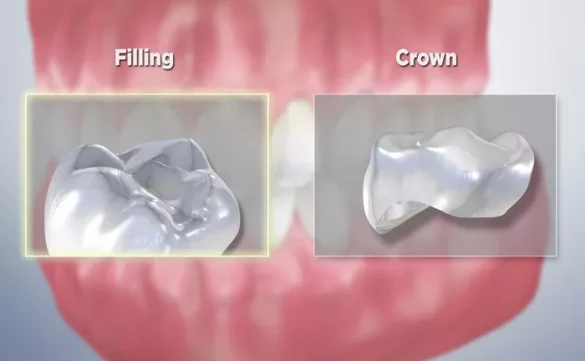
Dental crowns are widely used to restore damaged teeth, protect weakened structures, and improve aesthetics. While they are designed to be durable and functional, many patients report discomfort or pain when pressure is applied to a crown.
Understanding the underlying reasons for this pain is crucial for proper diagnosis and timely treatment.
Understanding Dental Crowns
What Is a Dental Crown?
A dental crown is a cap that covers a tooth to restore its shape, size, strength, and appearance. Crowns can be made from various materials including porcelain, ceramic, metal, or a combination of these. They are often recommended after root canals, large fillings, or significant tooth decay.
Purpose of a Crown
The primary purpose of a crown is to protect the underlying tooth structure. Crowns distribute chewing forces evenly and prevent further damage. Despite their strength, crowns can sometimes cause discomfort due to several underlying issues.
Why Does My Crown Hurt When I Put Pressure on?
High Bite (Occlusal Trauma)
If a crown is slightly higher than the surrounding teeth, it can create a high bite. This means that when you bite down, excess force is applied to the crowned tooth. High bites can irritate the tooth pulp or the supporting bone, causing pain when pressure is applied.
Tooth Pulp Inflammation (Pulpitis)
After crown placement, the tooth pulp may become inflamed. This condition, known as pulpitis, occurs due to trauma during preparation, bacterial irritation, or decay beneath the crown. Symptoms include sharp pain when chewing, sensitivity to hot or cold, and discomfort that may linger after biting.
Cracked Tooth Beneath the Crown
A crown cannot prevent a tooth from cracking completely. If there is a fracture under the crown, pressure on the crown can cause severe pain. Cracks may develop due to previous trauma, bruxism (teeth grinding), or weakening of the tooth over time.
Loose or Ill-Fitting Crown
An improperly fitted crown can allow movement between the crown and the underlying tooth. This can irritate the periodontal ligament, leading to discomfort when chewing or biting. Looseness also increases the risk of decay or infection beneath the crown.
Gum Disease and Infection
Gingivitis or periodontitis around a crowned tooth can cause tenderness and pain. Bacterial accumulation at the crown margin can lead to inflammation, swelling, and sensitivity when pressure is applied.
Secondary Decay
Even with a crown, decay can develop at the margins where the crown meets the natural tooth. This hidden decay can weaken the tooth and create pain under pressure.
Recent Dental Procedures
Some patients experience temporary pain after crown placement due to the dental work itself. Minor trauma to the tooth or surrounding tissues can cause sensitivity that usually subsides within days or weeks.
Diagnostic Approach
Clinical Examination
A dentist will first perform a thorough clinical examination to assess the crown, adjacent teeth, and surrounding tissues. They may check for high bite, gum inflammation, or visible cracks.
Radiographic Evaluation
X-rays are essential to detect hidden issues such as decay beneath the crown, bone loss, or fractures in the tooth root. This imaging helps pinpoint the cause of crown pain.
Occlusal Assessment
The dentist may use articulating paper to identify areas of high contact when biting. Adjusting the crown to correct bite pressure often resolves discomfort quickly.
Pulp Vitality Tests
Tests such as cold or electric pulp testing can help determine if the tooth pulp is inflamed or necrotic. This information guides whether root canal therapy may be necessary.
Treatment Options
Occlusal Adjustment
If the crown is too high, minor grinding and reshaping can relieve pressure. This simple procedure often eliminates pain caused by occlusal trauma.
Root Canal Therapy
If pulpitis or irreversible pulp damage is detected, root canal treatment may be required. After removing the infected pulp, the tooth is sealed and sometimes a new crown is placed.
Crown Replacement
For crowns that are loose, cracked, or ill-fitting, replacing the crown may be the best solution. Properly fitting crowns ensure stability and reduce irritation to the surrounding tissues.
Treatment of Gum Disease
Scaling, root planing, or other periodontal therapies can reduce inflammation and pain around the crowned tooth. Maintaining excellent oral hygiene helps prevent recurrence.
Management of Secondary Decay
If decay is present beneath the crown, the dentist may need to remove the crown, clean the decay, and restore the tooth before placing a new crown.
Pain Management
Over-the-counter pain medications may be recommended temporarily. Cold compresses and avoiding hard or sticky foods can also reduce discomfort while definitive treatment is planned.
Prevention of Crown Pain
Regular Dental Checkups
Routine visits allow the dentist to detect early signs of problems with crowns, bite issues, or gum disease.
Proper Oral Hygiene
Brushing twice daily, flossing, and using antibacterial mouthwash reduce plaque and bacteria at crown margins, preventing decay and gum inflammation.
Wear a Night Guard
Patients who grind or clench their teeth benefit from a night guard, which protects crowns and natural teeth from excessive pressure.
Choose Quality Crowns
High-quality materials and precise dental work minimize the risk of ill-fitting crowns and associated pain.
When to Seek Immediate Dental Care
Persistent or severe pain, swelling, or signs of infection such as pus or fever should be addressed immediately. Early intervention prevents complications and preserves the tooth.
Conclusion
Pain when pressure is applied to a dental crown is common but should not be ignored. Causes range from high bite and pulp inflammation to cracks, loose crowns, or gum disease. Proper diagnosis through clinical examination, radiographs, and occlusal assessment is critical. Treatment may include bite adjustment, root canal therapy, crown replacement, or periodontal care. Preventive measures such as good oral hygiene, regular dental visits, and protective appliances can help minimize future problems.