


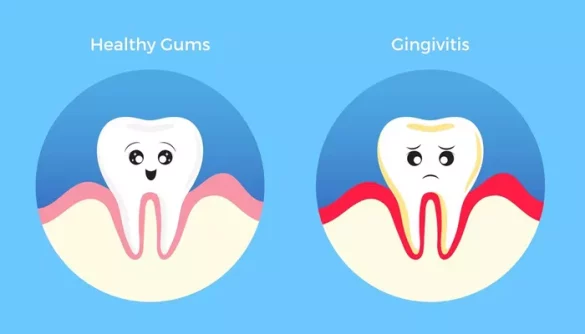
Gingivitis is the earliest stage of gum disease. It is caused by plaque buildup on the teeth. Plaque contains bacteria that irritate the gums. Early signs include redness, swelling, and bleeding during brushing. Gingivitis is generally reversible with good oral hygiene.
Causes of Gingivitis
Poor oral hygiene is the primary cause of gingivitis. Not brushing and flossing regularly allows plaque to accumulate. Other contributing factors include smoking, diabetes, hormonal changes, certain medications, and genetic susceptibility.
Symptoms of Gingivitis
Typical symptoms include:
- Red or swollen gums
- Gums that bleed when brushing or flossing
- Bad breath
- Sensitivity of the gums
Notably, gingivitis is often painless. This makes it easy for individuals to ignore the condition, which can allow it to progress to periodontitis if left untreated.
Understanding Periodontitis
Periodontitis is an advanced stage of gum disease. It occurs when gingivitis is untreated, allowing bacteria to penetrate deeper into the gum tissue. This results in inflammation that affects not only the gums but also the bone that supports teeth.
Causes of Periodontitis
Periodontitis develops due to persistent plaque and tartar buildup. The bacteria release toxins that destroy gum tissue and bone. Factors that accelerate progression include smoking, poor oral hygiene, chronic diseases, stress, and immune system deficiencies.
Symptoms of Periodontitis
Signs include:
- Persistent bad breath
- Receding gums
- Loose or shifting teeth
- Pain while chewing
- Gum pockets between teeth and gums
Periodontitis can lead to tooth loss if untreated. Early intervention is crucial to prevent irreversible damage.
Timeline from Gingivitis to Periodontitis
The time it takes for gingivitis to develop into periodontitis varies. It depends on several factors, including oral hygiene habits, genetics, and overall health. In general:
Gingivitis can develop within a few days to a few weeks of poor oral hygiene.
If untreated, gingivitis may progress to periodontitis in a few months to several years.
There is no fixed timeline. Some individuals with strong immune systems may never develop periodontitis despite prolonged gingivitis. Others may experience rapid progression within months if risk factors are present.
Factors Affecting Progression Speed
Understanding these factors helps predict how quickly gingivitis can turn into periodontitis.
Oral Hygiene Practices
Frequent brushing, flossing, and dental checkups can reverse gingivitis and prevent periodontitis. Neglecting oral hygiene accelerates disease progression.
Genetics
Some people have a genetic predisposition to gum disease. Studies suggest that certain gene variations increase susceptibility to severe periodontitis.
Smoking and Tobacco Use
Smoking weakens the immune system and reduces blood flow to the gums. This makes it easier for bacteria to cause tissue destruction and speeds up the transition from gingivitis to periodontitis.
Systemic Health Conditions
Chronic diseases such as diabetes, cardiovascular disease, and autoimmune disorders increase inflammation and make gums more vulnerable. This can shorten the time for progression.
Age and Hormonal Changes
Gum tissues are more sensitive during hormonal changes, such as puberty, pregnancy, and menopause. Older adults may experience slower healing and faster progression to periodontitis.
Stages of Periodontitis Progression
Periodontitis progresses in stages. Recognizing these stages helps in timely intervention.
Initial Stage
Gingivitis exists at this stage. Plaque buildup causes minor inflammation. Reversing damage is possible with proper care.
Early Periodontitis
The gums start pulling away from teeth. Small pockets form, and mild bone loss may occur. Professional cleaning is required to halt progression.
Moderate Periodontitis
Pockets deepen and gum recession becomes visible. Tooth mobility may begin. Treatment involves deep cleaning and sometimes surgical intervention.
Advanced Periodontitis
Significant bone loss occurs. Teeth may become loose and eventually fall out. Surgical procedures or tooth replacement may be necessary.
Preventing Gingivitis from Progressing
Preventing the transition from gingivitis to periodontitis involves consistent oral care and lifestyle adjustments.
Daily Oral Hygiene
Brush twice daily with fluoride toothpaste. Floss at least once a day. Consider using an antiseptic mouthwash to reduce bacterial load.
Regular Dental Checkups
Visit a dentist at least twice a year. Professional cleanings remove plaque and tartar that cannot be eliminated by brushing alone.
Healthy Lifestyle Habits
Avoid smoking and reduce alcohol intake. Maintain a balanced diet rich in vitamins and minerals. Manage chronic diseases effectively to reduce gum inflammation.
Early Intervention
Seek dental care as soon as symptoms appear. Early treatment can reverse gingivitis and prevent periodontitis, protecting your teeth and bone.
Treatment Options for Periodontitis
Treatment depends on the severity of the disease.
Non-Surgical Treatments
Scaling and root planing remove plaque and tartar below the gum line. Antimicrobial therapy may be used to reduce bacterial infection.
Surgical Treatments
Advanced cases may require flap surgery to clean deep pockets. Bone grafts or guided tissue regeneration may be necessary to restore lost bone.
Maintenance Therapy
After treatment, regular maintenance is critical. Periodic cleanings and monitoring prevent recurrence of periodontitis.
Conclusion
The progression from gingivitis to periodontitis is not fixed. It can take months to years, depending on oral hygiene, genetics, lifestyle, and systemic health. Early detection and treatment are crucial to prevent irreversible damage.
Maintaining proper oral hygiene, regular dental visits, and healthy lifestyle choices are essential strategies to protect your gums and teeth from advanced periodontal disease.