


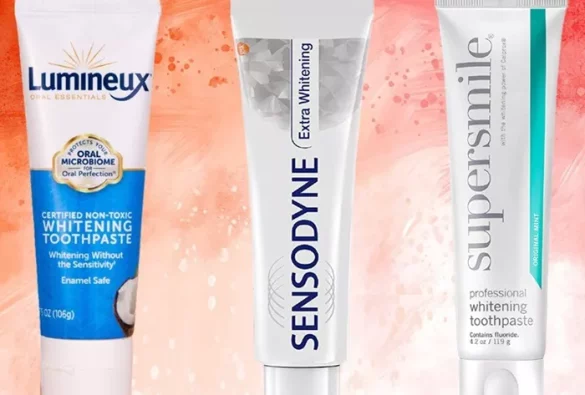
Whitening toothpastes are designed to remove surface stains and improve the appearance of teeth. They contain special ingredients that help break down stains from coffee, tea, smoking, and food. Unlike professional whitening treatments, these toothpastes provide gradual whitening over time. They are widely available in pharmacies and supermarkets, making them an accessible option for daily dental care.
Common Ingredients in Whitening Toothpastes
Whitening toothpastes often contain mild abrasives like silica, baking soda, or calcium carbonate. These abrasives help polish the teeth and remove surface stains. Additionally, they include chemical agents such as hydrogen peroxide or carbamide peroxide, which can lighten the color of enamel over time. Some brands also add enzymes to break down stains and improve oral hygiene. One key ingredient often found in these toothpastes is sodium lauryl sulfate (SLS).
What is SLS?
Sodium lauryl sulfate, commonly abbreviated as SLS, is a detergent and surfactant. It is used in many personal care products, including toothpaste, shampoos, and soaps. In toothpastes, SLS acts as a foaming agent. It helps distribute toothpaste evenly across teeth and gums, and it aids in cleaning by loosening food particles and debris. While effective, SLS has sparked debate due to potential side effects for some users.
Role of SLS in Toothpaste
SLS contributes to the foaming action of toothpaste, which many people associate with cleanliness. It helps toothpaste penetrate hard-to-reach areas between teeth. This foaming also allows users to spread the toothpaste without using too much pressure. Additionally, SLS enhances the effectiveness of other active ingredients in whitening toothpastes by helping them interact with stains more efficiently.
Do Whitening Toothpastes Contain SLS?
The answer depends on the brand and formulation. Many traditional whitening toothpastes do contain SLS because it improves cleaning efficiency and enhances foaming. However, some modern formulations have started removing SLS to reduce irritation risks. Toothpastes labeled as “SLS-free” are available for people with sensitive gums or a history of mouth ulcers. Reading ingredient labels carefully is essential for identifying whether SLS is present.
Examples of Whitening Toothpastes with SLS
Popular whitening toothpastes like Crest 3D White and Colgate Optic White contain SLS in their ingredients. These products focus on both stain removal and whitening, using SLS to support foaming and cleaning. SLS helps distribute other whitening agents, such as peroxide, across the surface of teeth, enhancing the toothpaste’s overall effect.
Examples of SLS-Free Whitening Toothpastes
Brands like Sensodyne Pronamel Gentle Whitening and Tom’s of Maine Natural Whitening offer SLS-free options. These toothpastes rely on alternative foaming agents, such as cocamidopropyl betaine, to provide similar cleaning and stain removal benefits without irritating sensitive mouths. SLS-free formulas are particularly suitable for individuals with recurring canker sores or gum sensitivity.
Potential Effects of SLS in Whitening Toothpastes
SLS is generally considered safe, but it may cause side effects in some individuals. Understanding these effects can help you decide whether to use a toothpaste containing SLS.
Oral Irritation and Sensitivity
SLS can irritate the soft tissues of the mouth. People with sensitive gums or frequent canker sores may notice increased discomfort when using toothpastes containing SLS. The foaming action can sometimes exacerbate dryness, leading to irritation around the cheeks, lips, or tongue.
Impact on Whitening Efficiency
SLS may slightly enhance the whitening effect by helping the active agents spread more effectively. However, this improvement is mostly relevant for surface stains. Deep discoloration caused by genetics, medications, or enamel changes may not respond significantly to SLS-enhanced whitening toothpaste alone.
Possible Allergic Reactions
Although rare, some individuals may experience allergic reactions to SLS. Symptoms include swelling, redness, or inflammation of the oral tissues. In severe cases, discontinuing the use of SLS-containing toothpaste can relieve these symptoms. Switching to an SLS-free alternative is recommended for sensitive users.
Benefits of SLS-Free Whitening Toothpastes
Choosing an SLS-free whitening toothpaste has advantages beyond avoiding irritation.
Gentle on Gums and Soft Tissues
SLS-free toothpastes reduce the likelihood of gum irritation, mouth sores, and dry mouth. People prone to these issues often experience better oral comfort using gentle formulations.
Effective Whitening without Irritation
Modern SLS-free whitening toothpastes use alternative foaming agents and mild abrasives to maintain stain removal.
Ingredients like silica, baking soda, and peroxide can provide visible whitening results without the harsh effects of SLS.
Over time, consistent use can improve the brightness of teeth while minimizing irritation.
Suitability for Sensitive Mouths
Individuals with sensitive enamel or gum conditions benefit from SLS-free toothpastes. These formulations are less likely to trigger canker sores or exacerbate oral sensitivities. SLS-free whitening options allow users to maintain oral hygiene and improve tooth appearance safely.
How to Choose the Right Whitening Toothpaste
Selecting the right whitening toothpaste involves more than checking for SLS. Consider your oral health, sensitivity, and desired results.
Check Ingredients Carefully
Read toothpaste labels to identify SLS, fluoride, abrasives, and whitening agents. Choose products that balance effectiveness with safety. If you have sensitive gums, prioritize SLS-free formulas. Look for mild abrasives and gentle chemical whitening agents.
Consider Your Oral Health Needs
People with enamel erosion should avoid highly abrasive whitening toothpastes. SLS-free options with low abrasivity are recommended for maintaining enamel integrity. Fluoride inclusion is also essential for strengthening teeth while whitening.
Consult Your Dentist
A dental professional can provide guidance on the best toothpaste for your specific oral health needs. They can suggest whether an SLS-free whitening toothpaste is appropriate and how to use it for optimal results. Regular dental check-ups ensure that whitening does not compromise oral health.
Additional Tips for Safe Whitening
Using whitening toothpaste safely involves a combination of product choice and oral care habits.
Follow Instructions
Always follow the manufacturer’s instructions for use. Overbrushing or excessive use can harm enamel and gums. Typically, twice-daily brushing with a pea-sized amount is sufficient for most adults.
Maintain Good Oral Hygiene
Combine whitening toothpaste with flossing and mouthwash for comprehensive oral care. This prevents plaque buildup and enhances the effects of whitening agents.
Avoid Staining Foods and Habits
Limit consumption of coffee, tea, red wine, and tobacco products. These substances can cause surface stains that whitening toothpastes must work harder to remove. Reducing stain exposure prolongs whitening results.
Conclusion
Whitening toothpastes often contain SLS as a foaming agent and cleaning enhancer. While effective, SLS can cause irritation for some users. SLS-free alternatives provide gentle yet effective whitening without the risk of oral discomfort.
Choosing the right toothpaste depends on your sensitivity, oral health needs, and whitening goals. Always read ingredient labels, follow usage instructions, and consult a dentist for personalized recommendations. By understanding SLS and other key ingredients, you can make an informed choice that supports both oral health and a brighter smile.