


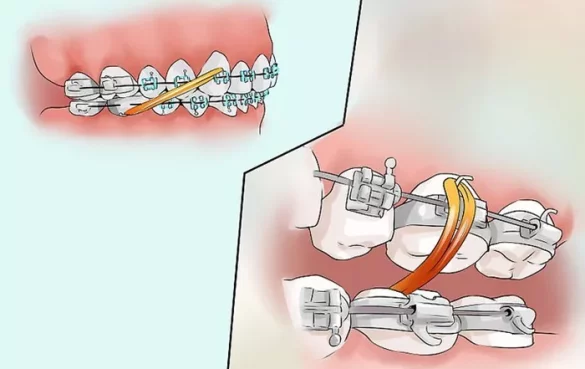
Rubber bands, commonly used in orthodontic treatments like braces, are essential tools for adjusting and aligning the teeth. Whether you are undergoing traditional braces or Invisalign, rubber bands can play a crucial role in fine-tuning the positioning of your teeth. But how long does it take for rubber bands to move teeth? In this article, we’ll dive into the factors that influence this process, the typical timeline, and tips for achieving the best results.
Understanding Rubber Bands in Orthodontics
Rubber bands are small elastic bands that connect various parts of an orthodontic system. They are used to apply targeted pressure on the teeth and jaw, helping to correct bite issues, such as overbite, underbite, and crossbite. By exerting consistent force over time, rubber bands gradually move teeth into their desired positions.
How Do Rubber Bands Work?
Orthodontic rubber bands work by applying continuous, gentle pressure to shift the teeth in a specific direction. They are typically attached to hooks on the braces, creating a link between the upper and lower teeth, or between other teeth or brackets in the mouth. This pressure encourages the teeth to move in small increments over time.
Factors That Affect How Long It Takes for Rubber Bands to Move Teeth
The duration it takes for rubber bands to move teeth can vary from person to person. Several factors play a role in determining how quickly your teeth will move, including:
1. Type of Orthodontic Problem
The severity and type of dental issue you are trying to address will influence the time needed for rubber bands to move your teeth. For example:
Overbite and Underbite: Rubber bands are often used to adjust bite issues, and the time required for alignment will depend on how misaligned your bite is.
Crossbite: A crossbite may require longer use of rubber bands to correct the teeth’s position.
Spacing or Crowding Issues: Moving teeth to fill gaps or make space can be quicker or slower, depending on the complexity.
2. Age
Age plays a critical role in the rate at which teeth move. Younger patients generally experience faster tooth movement because their bone tissue is more flexible. In contrast, adults may take longer to see results due to the denser bone structure.
3. Compliance and Consistency
The success of rubber bands depends largely on how consistently and correctly they are worn. Orthodontists typically recommend wearing rubber bands for at least 18-22 hours a day, only removing them for meals or brushing. Failure to wear rubber bands as instructed can delay the progress of the treatment.
4. Type of Rubber Bands Used
There are different types of rubber bands, and the specific kind used can affect the treatment timeline. For example, elastic bands come in various sizes and strengths, and some may apply more pressure than others. Your orthodontist will determine the best rubber bands for your needs.
5. Adjustments and Regular Check-Ups
Regular visits to your orthodontist are necessary to ensure that the rubber bands are functioning effectively. At these check-ups, your orthodontist will make adjustments, ensuring that the treatment progresses as planned. Delays in appointments or not making necessary adjustments can prolong the timeline.
Typical Timeline for Rubber Bands to Move Teeth
While individual results vary, most patients start to notice some improvements in their teeth’s position within a few weeks of starting treatment with rubber bands. However, significant changes often take a few months to become apparent. Here’s a general breakdown of what you can expect:
First Few Weeks: Initial Changes
In the first couple of weeks, you might not notice drastic changes, but your teeth will start responding to the pressure from the rubber bands. During this time, you may experience some discomfort as your teeth begin to move. It’s essential to continue wearing the rubber bands consistently to maintain steady progress.
1-3 Months: Noticeable Shifts
By the one to three-month mark, most patients will start seeing noticeable changes. Teeth may begin to align better, and bite issues may start to improve. However, the full effect of the rubber bands will depend on the complexity of the issue being addressed and the consistency of wear.
6-12 Months: Significant Movement
For more severe cases, such as significant bite problems or severe crowding, it may take six to twelve months before you see substantial movement. During this phase, you’ll likely need to continue wearing rubber bands regularly to maintain the progress and prevent regression.
12-24 Months: Final Adjustments
In the final stages of treatment, rubber bands will help finalize the alignment of your teeth. Depending on the complexity of your case, this phase can take anywhere from 12 to 24 months. Your orthodontist may adjust the rubber bands to target specific areas and make the final tweaks to your smile.
How to Achieve the Best Results with Rubber Bands
To ensure that your rubber bands are working effectively, follow these tips:
1. Wear Rubber Bands as Directed
Orthodontists typically recommend wearing rubber bands for the majority of the day—18 to 22 hours. Only remove them when eating or brushing your teeth. Consistency is key to achieving the desired results within the shortest time possible.
2. Replace Rubber Bands Regularly
Rubber bands lose their elasticity over time, so it’s important to replace them frequently. Your orthodontist will provide specific instructions on how often to replace them. Typically, this is done every day or as needed.
3. Avoid Eating or Drinking with Rubber Bands On
While it may be tempting to keep rubber bands on during meals, it’s best to remove them when eating or drinking. This prevents them from stretching or breaking and ensures they continue applying the right amount of pressure.
4. Keep Your Appointments
Regular check-ups with your orthodontist are essential to monitor progress and make adjustments. Skipping appointments can delay treatment and affect the overall outcome.
Conclusion
In summary, the time it takes for rubber bands to move teeth depends on several factors, including the severity of the orthodontic issue, your age, how consistently you wear the bands, and the specific treatment plan designed by your orthodontist. While most patients see noticeable results within 1-3 months, significant changes can take 6 to 12 months.
For the best results, wear the rubber bands as instructed, attend all orthodontic appointments, and follow your orthodontist’s advice closely.