


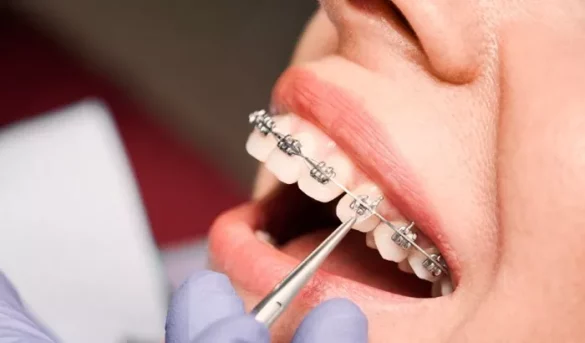
Braces are a transformative dental treatment that improve both function and appearance. For many patients, the journey to a straighter smile involves regular adjustments, often referred to as tightening. Understanding how long it takes to tighten braces, what to expect during appointments, and how to manage associated discomfort is essential for a smooth treatment experience. This article aims to provide a clear, detailed, and practical guide for anyone undergoing orthodontic care, helping patients feel informed and prepared at every step of their braces journey.
Understanding Braces Tightening
Braces are a common dental treatment for correcting misaligned teeth. Tightening braces is a critical part of the treatment.
It involves adjusting the wires or elastics to guide teeth into proper positions. This process is also called an orthodontic adjustment.
Why Braces Need Tightening
Teeth do not move on their own. The pressure from braces stimulates bone remodeling. This allows teeth to gradually shift into alignment. Tightening ensures consistent pressure and steady progress.
Frequency of Braces Tightening
Braces are usually tightened every 4 to 8 weeks. The exact interval depends on the patient’s age, dental condition, and treatment plan. Children may need adjustments more often because their bones respond faster to pressure.
Factors Affecting Tightening Duration
Type of Braces
Metal braces, ceramic braces, and self-ligating braces all have different adjustment methods. Metal braces are often tightened in 15–30 minutes. Ceramic braces may take slightly longer because they are more delicate. Self-ligating braces use clips instead of elastics, which can reduce chair time.
Severity of Misalignment
Patients with severe crowding or bite issues may need longer appointments. The orthodontist may need to change multiple wires or replace elastics. Mild cases often require shorter adjustments.
Age of the Patient
Children and teenagers typically experience faster tooth movement. Adults may need longer appointments or more gradual tightening. Bone density and overall dental health influence the adjustment process.
What Happens During a Tightening Appointment
Step 1: Examination
The orthodontist checks teeth, gums, and brackets. They ensure there is no damage or signs of decay. This step also determines the appropriate pressure for tightening.
Step 2: Wire or Elastic Adjustment
The orthodontist may replace the archwire, adjust bends in the wire, or change elastic bands. This step creates the correct tension for tooth movement.
Step 3: Checking Comfort
Orthodontists ensure the wires and brackets do not irritate the mouth excessively. Small adjustments may be made to prevent discomfort or sores.
How Long Does It Take to Tighten Braces?
On average, tightening braces takes 15–45 minutes per visit. Simple adjustments are closer to 15 minutes. Complex cases can take 30–45 minutes. The first few adjustments may take longer as the orthodontist monitors how teeth respond to pressure.
Factors Influencing Appointment Length
- Number of teeth being adjusted
- Type of braces
- Need for additional procedures, such as replacing broken brackets
- Patient cooperation and comfort level
Discomfort After Tightening
Common Symptoms
After tightening, patients may feel soreness, pressure, or mild pain. This usually lasts 2–4 days. Some may experience sensitivity when biting or chewing.
Managing Discomfort
Over-the-counter pain relief like ibuprofen or acetaminophen can help. Soft foods reduce stress on teeth. Warm saltwater rinses can soothe gums. Following the orthodontist’s instructions ensures safety and comfort.
Tips for a Smooth Tightening Process
Maintain Oral Hygiene
Clean teeth thoroughly before appointments. Food or plaque can interfere with adjustments. Brushing and flossing prevent cavities and gum inflammation.
Communicate with Your Orthodontist
Report any pain or broken brackets before your appointment. This helps the orthodontist plan the adjustment and minimize discomfort.
Follow Dietary Guidelines
Avoid sticky, hard, or crunchy foods before tightening appointments. This prevents brackets from loosening during adjustments.
Factors That May Delay Braces Tightening
Broken Brackets or Wires
If a bracket or wire is broken, the orthodontist may need to repair it before tightening. This can extend appointment times.
Gum or Oral Health Issues
Inflamed gums, cavities, or oral infections may delay tightening. Orthodontists may treat these issues first to prevent complications.
Scheduling Conflicts
Missed appointments can prolong treatment time. Regular visits are crucial for timely progress.
How to Track Braces Progress
Photographs
Orthodontists often take photos at each visit. This helps track tooth movement and plan future adjustments.
Regular Check-ups
Consistent visits every 4–8 weeks ensure timely adjustments. Skipping appointments can slow down the process significantly.
Patient Notes
Keep a journal of pain levels, broken brackets, or loose wires. This helps the orthodontist make more precise adjustments.
Conclusion
Braces tightening is a key part of orthodontic treatment. Appointments usually take 15–45 minutes depending on complexity, type of braces, and patient needs. Discomfort is normal but manageable with care. Regular adjustments every 4–8 weeks ensure steady progress and successful treatment. Following orthodontist instructions for oral hygiene, diet, and appointment scheduling helps make the process smoother and more comfortable.