


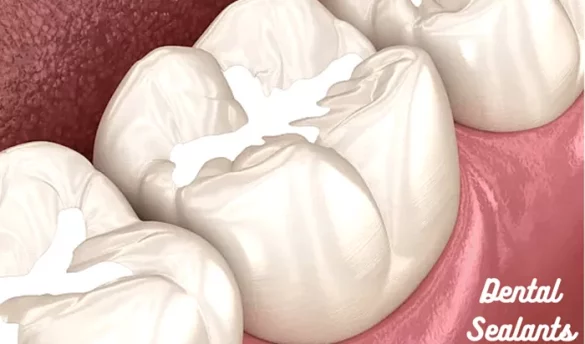
Dental sealants are a protective coating applied to the chewing surfaces of teeth. They prevent cavities by sealing grooves and pits where food particles and bacteria accumulate. Sealants are commonly used for children and teenagers, but adults can also benefit. Understanding how sealants are applied helps patients feel comfortable and ensures proper dental care.
Why Dental Sealants Are Important
Prevent Cavities: The deep grooves in molars are prone to decay. Sealants act as a barrier, preventing bacteria from reaching the enamel.
Protect Teeth Early: Children and teenagers are at high risk for cavities. Sealants provide early protection and support long-term oral health.
Reduce Dental Costs: Preventing cavities with sealants reduces the need for fillings, crowns, or other dental procedures later in life.
Preparation Before Applying Sealants
Applying dental sealants is simple, but proper preparation is essential.
Dental Examination
The dentist or hygienist examines the teeth to identify which ones need sealants. Healthy teeth without decay are ideal candidates. If cavities are present, treatment is completed first.
Cleaning the Teeth
Teeth must be clean for the sealant to adhere properly. The dentist uses a professional cleaning tool or brush to remove plaque, food particles, and surface debris from the tooth’s chewing surfaces.
Drying and Isolation
Moisture can prevent proper bonding. The dentist isolates the tooth using cotton rolls or a dental dam and ensures the surface is completely dry. Air may also be used to enhance drying.
The Sealant Application Process
Once the teeth are prepared, the dentist proceeds with the sealant application. This is painless and non-invasive.
Etching the Tooth Surface
An acidic solution, called an etchant, is applied to the tooth. This roughens the enamel slightly, creating microscopic pores.
These pores allow the sealant to bond securely. Etching usually takes 15–60 seconds.
Rinsing and Drying
After etching, the tooth is rinsed thoroughly with water to remove the acidic solution. The surface is then dried completely.
The tooth must remain dry for the sealant to stick properly.
Applying the Sealant Material
The dental professional applies the liquid sealant to the grooves and pits of the tooth. The material flows easily into hard-to-reach areas. Care is taken to cover all vulnerable surfaces without overfilling.
Hardening the Sealant
Some sealants harden on their own, while most modern sealants are cured using a special dental light. The light activates the material, making it strong and durable. Hardening usually takes 20–60 seconds per tooth.
Checking the Sealant
The dentist checks the sealant to ensure it covers all grooves evenly. Any excess material is removed, and the patient bites down to confirm a proper fit. The sealant should feel smooth and natural.
Aftercare for Dental Sealants
Sealants are durable but require care to last.
Maintaining Oral Hygiene
Brushing twice daily and flossing once daily remain essential. Sealants protect grooves, but surrounding surfaces can still develop cavities.
Regular Dental Visits
Dental check-ups allow the dentist to inspect sealants. If a sealant becomes chipped or worn, it can be reapplied. Most sealants last 3–10 years with proper care.
Avoiding Hard Foods
Biting very hard foods, such as ice or hard candy, can damage sealants. Patients should be careful to preserve their protective coating.
Benefits of Dental Sealants
Dental sealants offer multiple advantages:
Effective Protection: Sealants reduce cavity risk by up to 80% in molars.
Painless Procedure: No drilling or anesthesia is needed.
Time-Saving: Sealants can be applied quickly, often in one visit.
Cost-Effective: Preventive care is usually less expensive than treating cavities.
Who Should Consider Sealants
Sealants are especially recommended for:
- Children and teenagers with newly erupted permanent molars
- Adults with deep grooves prone to cavities
- Patients with a history of frequent cavities
Conclusion
Dental sealants are a simple, effective, and painless way to protect teeth from cavities. The process involves careful cleaning, etching, applying sealant material, and curing. With proper aftercare and regular dental visits, sealants can last for years and significantly improve oral health. Both children and adults can benefit from this preventive treatment, making it a cornerstone of modern dental care.