


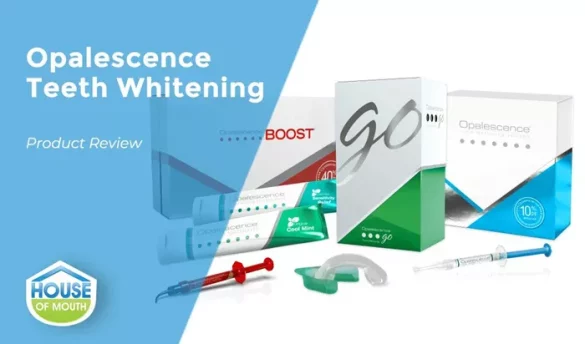
Opalescence is a professional teeth whitening treatment widely used by dental professionals. Its active ingredient is carbamide peroxide, which breaks down into hydrogen peroxide and urea. Hydrogen peroxide acts as the bleaching agent, penetrating the enamel to remove both surface and deep stains.
The strength of Opalescence varies, commonly ranging from 10% to 35%. The concentration affects the speed and intensity of whitening. While higher concentrations produce faster results, they can also increase tooth sensitivity.
Immediate Effects of Opalescence Whitening
Once applied, Opalescence works by oxidizing stains within the enamel and dentin layers. Most users notice visible whitening after the first few applications. The degree of immediate whitening depends on:
- Initial tooth color
- Type and depth of stains
- Duration of application
- Concentration of the gel
Typically, a full treatment course is recommended to achieve optimal results. For 10% Opalescence, this may take 30–60 minutes per night over 2–4 weeks, whereas higher concentrations may require shorter sessions.
Do Teeth Continue to Whiten After the Treatment Ends?
Many patients wonder whether their teeth keep whitening once they stop using Opalescence. The answer is nuanced:
Residual whitening: After the final session, teeth may continue to lighten slightly over a few days as the hydrogen peroxide fully penetrates the enamel.
Stabilization period: Once this effect stabilizes, teeth generally do not continue to whiten without additional treatments.
Limitations: Whitening cannot remove stains caused by internal factors like certain medications, trauma, or deep intrinsic discoloration.
Therefore, while minor improvements may occur shortly after the last application, long-term whitening depends on maintenance and lifestyle habits.
Factors That Affect Whitening Longevity
Several factors determine how long the whitening effect lasts and whether teeth appear brighter over time:
Dietary Habits
Consumption of coffee, tea, red wine, or foods with artificial coloring can cause staining. Avoiding these substances helps maintain results longer.
Oral Hygiene Practices
Brushing twice daily with a fluoride toothpaste, flossing, and using an antibacterial mouthwash reduce plaque buildup and prevent staining. Professional dental cleanings every six months also support lasting results.
Genetic Factors
Tooth enamel thickness and dentin color vary from person to person. Thicker enamel often results in a slower whitening process but longer-lasting effects. Genetic predisposition can influence how quickly teeth darken over time.
Smoking and Tobacco Use
Tobacco products stain teeth more quickly. Even after a whitening treatment, smokers may notice rapid discoloration, reducing the perceived longevity of Opalescence results.
Maintenance Strategies to Prolong Whitening
While Opalescence delivers significant whitening, maintaining results requires ongoing care:
Touch-Up Treatments
Using Opalescence gels at lower concentrations periodically can help maintain brightness. Many dentists recommend 10% or 15% carbamide peroxide for weekly or biweekly touch-ups.
Whitening Toothpaste
Using toothpaste with mild abrasives or chemical whitening agents can help prevent surface stains from forming between professional treatments.
Avoiding Stain-Causing Foods and Drinks
Reducing intake of dark-colored beverages and rinsing the mouth immediately after consumption minimizes new staining.
Regular Dental Visits
Professional cleaning and evaluation allow dentists to monitor enamel health and recommend timely whitening maintenance, ensuring consistent results.
Potential Risks of Over-Whitening
It is essential to avoid excessive whitening sessions. Overuse of Opalescence can lead to:
Increased tooth sensitivity: Enamel may become temporarily softer, causing discomfort.
Gum irritation: Whitening gel contacting the soft tissues can cause redness or soreness.
Uneven results: Excessive application may cause patchy whitening or translucent areas.
Following the manufacturer’s guidelines and dentist recommendations ensures safe and effective results.
Signs That Additional Whitening May Be Needed
Even after a successful Opalescence treatment, some patients may notice gradual discoloration over months or years. Signs indicating a touch-up may be beneficial include:
- Yellowing of teeth around the edges
- Visible staining from coffee, tea, or tobacco
- Diminished brightness compared to initial results
Conclusion
Teeth may show slight residual whitening after the completion of an Opalescence treatment, but they do not continue to whiten indefinitely. Maintaining results depends on lifestyle, oral hygiene, and periodic touch-ups. While Opalescence is effective and safe, realistic expectations are important. Combining professional whitening with proper care ensures a bright, long-lasting smile.