


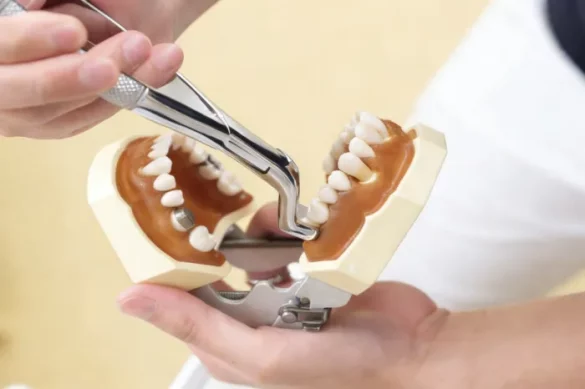
Many individuals considering wisdom teeth removal wonder if extracting these molars will permanently change the shape of their face. This is a common concern, especially among young adults and those who are mindful of their appearance and oral health. wisdom teeth removal is routinely recommended by dental professionals, but understanding the real impact of this procedure on your facial aesthetics is important for setting appropriate expectations.
What Are Wisdom Teeth and Why Are They Removed?
Wisdom teeth, also known as third molars, are the last set of adult teeth to emerge. They typically erupt between the ages of 17 and 25. For some people, these teeth cause no issues at all. However, for many others, there simply is not enough room in the jaw for these molars to erupt correctly. This lack of space can cause the wisdom teeth to come in at improper angles, become impacted beneath the gum, or crowd other teeth.
Common reasons for wisdom teeth extraction include:
- Impacted teeth trapped under gum or bone
- Persistent pain and swelling in the jaw
- Infection or cyst formation around the tooth
- Tooth crowding or shifting
- Damage to adjacent teeth
If left untreated, problematic wisdom teeth can lead to significant discomfort, infections, and alterations in bite alignment or jaw health.
How Wisdom Teeth Affect the Jaw and Facial Structure
Some worry that wisdom teeth, especially when impacted or infected, can change the natural position of their teeth or the contour of their jawline. There is a tiny degree of truth here: when wisdom teeth try to emerge without enough space, they can push against neighboring teeth. This pressure may cause minor changes in tooth alignment and could alter your bite. In very rare instances, significant tooth crowding or jaw tension may lead to subtle, temporary changes in the appearance of the jaw.
However, for the vast majority of people, wisdom teeth do not dramatically shift the underlying bone or alter the facial structure. The jawbone’s overall shape and the external contour of your face are determined by genetics, bone density, and the alignment of all your teeth—not just your wisdom teeth.
Temporary Changes After Wisdom Teeth Removal
One of the most noticeable side effects of wisdom teeth extraction is swelling. After the surgery, it is common to have puffiness around the jaw and cheeks. This is part of the normal healing process. The swelling may last several days to a week, with most people noticing a steady return to normal facial appearance within two weeks following surgery.
The swelling is temporary and does not reflect a permanent change in the facial structure. Any changes in face shape during recovery are a result of inflammation, fluid build-up, and tissue trauma from the surgery. Once the tissues heal, the swelling subsides and the face returns to its pre-surgery contours.
Is There Any Permanent Alteration to Face Shape?
Current scientific studies and clinical experience show that removing wisdom teeth does not permanently change the shape of your face. The supportive bone structure and facial muscles are not altered by this procedure. Once healing is complete, your original jawline and facial appearance are preserved.
For some, especially those whose wisdom teeth were causing chronic inflammation, pain, or asymmetrical swelling, their face may appear slightly more balanced and relaxed after extraction. However, this is due to the resolution of swelling and tension, not permanent bone or tissue changes. There is no reliable evidence to suggest that wisdom teeth removal gives the jaw a different contour long term.
Misconceptions About Wisdom Teeth and Facial Appearance
There are many myths online and in dental circles about wisdom teeth causing a square jaw, making the face look rounder, or fundamentally changing your appearance. While wisdom teeth can influence crowding if the jaw is small, the vast majority of face shape qualities are genetically determined and not affected by the presence or absence of these teeth.
For young adults, especially during the teen years, the face may be changing naturally as the result of growing bones, shifting teeth, and hormonal changes—not necessarily because of dental procedures.
When to Seek Wisdom Teeth Removal
Not all wisdom teeth need to be removed. Your dentist will typically recommend extraction based on:
- X-ray results showing impaction
- Ongoing pain, swelling, or infection
- Evidence of tooth decay or gum disease near the wisdom teeth
- Crowding affecting other teeth and your bite
Routine dental checkups and panoramic X-rays can help your dentist track how your wisdom teeth are developing. By identifying problems early, interventions are less likely to be complicated or to affect your overall facial health.
Healing and Recovery Process
Most people recover from wisdom teeth extraction within two weeks. During this period, swelling and minor discomfort are typical, especially in the first 48-72 hours. Good oral hygiene, following your oral surgeon’s instructions, and eating a soft diet will help speed up healing. Any temporary changes in appearance will resolve as your body recovers.
If you experience swelling or bruising that lasts longer than two weeks, or if you notice persistent numbness or pain, contact your oral surgeon promptly. These are signs that further evaluation may be needed, though complications are rare.
The Importance of Early Evaluation
Early evaluation by a dentist or oral surgeon is the best way to avoid problems related to wisdom teeth. By having regular checkups and images taken, dental professionals can decide whether observation or extraction is the best option based on your unique mouth structure.
Proactively monitoring your wisdom teeth helps to preserve both oral health and facial harmony, protecting your smile and minimizing the risk of complications that could threaten jaw structure.
FAQs
Can wisdom teeth cause permanent changes to my face shape if left untreated?
No, wisdom teeth rarely cause lasting changes to face shape. Major changes to your appearance are more likely linked to other dental or skeletal conditions, not the wisdom teeth themselves.
How long does swelling last after wisdom teeth removal?
Swelling can last between three days to two weeks. Most people see their facial features return to normal after this period.
Will my jawline look sharper after removing my wisdom teeth?
Any differences are due to the reduction of swelling and pain, not to a permanent sharpening of the jawline.
Is wisdom teeth removal always necessary?
No, if the wisdom teeth are healthy, not causing discomfort, and do not crowd your other teeth, your dentist may recommend keeping them under observation rather than removing them.
What should I do if I am concerned about my face shape after surgery?
Monitor your healing and follow your oral surgeon’s advice. Most changes are temporary and related to swelling. If concerns persist, schedule a follow-up visit for peace of mind.
Conclusion
While the removal of wisdom teeth is often necessary for maintaining oral health, it does not lead to permanent changes in face shape or facial structure for most individuals. Temporary swelling is to be expected but fades with proper care and healing. A healthy, properly aligned set of teeth—and relief from wisdom tooth problems—actually helps maintain your natural facial appearance in the long term. If you are worried about your facial contour after wisdom teeth extraction, trust that your appearance will return to normal as you heal.
If you have more questions about wisdom teeth removal and its effects, consult with an experienced oral surgeon or your family dentist for guidance tailored to your specific situation.