


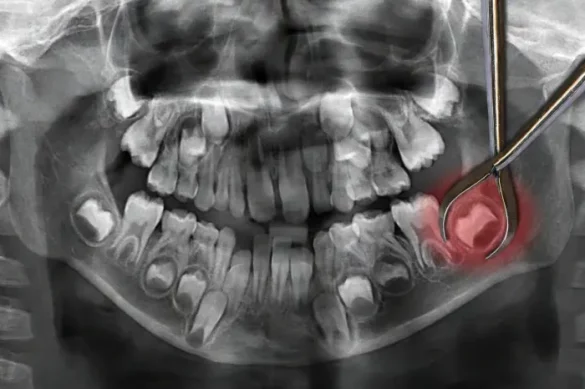
Wisdom teeth, also known as third molars, often become a concern for many people during their late teens or early twenties.
Dentists frequently recommend removing these teeth, but not everyone understands why timing is important or whether it can ever be too late for extraction. Let’s break down the factors that influence the ideal timing for wisdom teeth removal and examine whether age should ever stop you from getting the surgery.
What Are Wisdom Teeth and Why Do They Need Removal?
Wisdom teeth are your third set of molars, located at the back of your mouth. They usually appear between ages 17 and 21. For some, wisdom teeth grow in straight and do not cause problems. For others, they become impacted, which means there is not enough space for them to emerge or align with the rest of your teeth. This situation often leads to pain, infection, and damage to nearby teeth and gums.
Dentists may recommend removing wisdom teeth to avoid long-term problems. These can include cavities, gum infections, cysts, and bone damage around the molars. Sometimes food and bacteria get trapped around partially erupted wisdom teeth, increasing the risk of oral health issues. For these reasons, early evaluation and sometimes early removal are advised.
The Best Time for Wisdom Teeth Removal
The easiest time to remove wisdom teeth is generally during late adolescence or early adulthood—typically between ages 15 and 22. At this stage, the roots of the molars are still forming. The bone in the jaw is also less dense and flexible, making removal less complicated and recovery faster. It’s easier for the body to heal from surgery while young, and the risk of complications is lower.
Many oral surgeons perform wisdom teeth extractions during this age period because potential problems can be anticipated and avoided. If the wisdom teeth are removed before their roots fully develop, the procedure is simpler. Healing is also usually quicker, and the chance of long-term complications is reduced.
Is It Ever Too Late to Get Wisdom Teeth Removed?
It is rarely ever “too late” to remove wisdom teeth, but there are challenges associated with extraction later in life. Adults in their late twenties, thirties, forties, or even older can still have wisdom teeth removed if necessary. Oral surgeons regularly see older adults for this procedure.
However, several changes occur as you age:
Fully Developed Roots
In adults, wisdom teeth have fully developed roots. These roots may be long, thick, and sometimes curved. They might even grow near important nerves in the jaw. Extraction can be more technically complicated and carries a higher risk of affecting those nerves or nearby teeth.
Denser Jaw Bone
As people get older, the jawbone becomes denser and less flexible. This makes the removal more demanding for the surgeon and may result in more discomfort afterward. healing can take longer, and the risk of complications such as dry socket or infection is higher in older patients.
Slower Healing and Greater Risks
The body generally heals more slowly with age. This means swelling, pain, and recovery after oral surgery might last longer. People with underlying health conditions—such as diabetes or heart disease—also have greater risks during any surgical procedure, including tooth extractions.
Key Signs and Symptoms That Wisdom Teeth Need Removal
Age should not be the only consideration when deciding if wisdom teeth should be extracted. Timing is less important than whether the wisdom teeth are causing problems or pose a risk to oral health. Here are a few warning signs:
- Persistent pain or pressure in the back of the mouth
- Infection or gum disease near the wisdom tooth
- Swelling of the jaw or face
- Repeated cavities in the area
- Development of cysts near the tooth
- Damage to adjacent teeth
If any of these symptoms appear, schedule an evaluation with a dentist or oral surgeon, regardless of your age.
What Happens If You Delay Wisdom Teeth Removal?
Delaying removal can lead to complications. Impacted or poorly positioned wisdom teeth can damage the roots of neighboring teeth, cause repeated infections, and even form cysts or tumors. Furthermore, as time passes, extraction becomes more difficult. The healing period may be longer, and the surgery might be more invasive.
However, if your wisdom teeth are healthy, fully grown in, in the correct position, and easily cleaned, there may be no immediate reason to remove them—even as you age. Some people never experience problems with their wisdom teeth.
Considerations for Older Adults
Even for older adults, wisdom teeth can be extracted safely with proper planning. Your oral surgeon will take X-rays to examine tooth position, root development, and proximity to nerves. They may coordinate care with your physician if you have chronic conditions.
Older adults should expect a more involved recovery. Planning for time off work, a post-surgery caregiver, and following all after-care instructions is essential for a smooth healing process. Inform your dentist of any medications or allergies so they can develop the safest treatment plan for you.
How to Decide If Wisdom Teeth Should Be Removed
The ultimate decision should be made in consultation with a dental professional. They consider your age, dental X-rays, current symptoms, and medical history to suggest the best plan for your health. If there are no apparent problems and the wisdom teeth are monitored regularly, you may not need removal at all.
On the other hand, if issues develop, even late in life, removal is often possible and recommended to avoid bigger complications. Timely intervention prevents pain, infection, and potential damage to nearby teeth and the jawbone.
Frequently Asked Questions
Can wisdom teeth be taken out after age 30 or 40?
Yes, wisdom teeth can be removed at almost any age. The procedure may be more complex, and healing could take longer, but it is still possible and often safe.
What are the risks of waiting to remove wisdom teeth?
Waiting can lead to more complicated extractions, increased risk of infection, and longer healing times. Complications like cysts or damage to other teeth are also more likely.
Should all wisdom teeth be removed, even if they do not hurt?
Not always. Wisdom teeth that are healthy, fully erupted, and easy to clean do not need to be removed. Regular monitoring by your dentist is important.
What happens during wisdom tooth extraction?
The area is numbed, and the dentist or oral surgeon removes the tooth. Sometimes the tooth must be divided or bone removed. After surgery, you will need to follow care instructions to heal well.
How do I know if I need my wisdom teeth out?
If you have pain, swelling, infection, or dental crowding, see your dentist. They will use exams and X-rays to decide if removal is the best choice.
Conclusion
It is rarely ever absolutely “too late” to get your wisdom teeth removed. While younger patients generally experience easier extractions and faster healing, adults and even seniors can benefit from the procedure if there are symptoms or risks to dental health. Monitor your wisdom teeth throughout life and work closely with your dentist to make the right decision based on your current condition—not just your age. Early evaluation remains important, but age alone should not prevent you from seeking necessary dental care.