


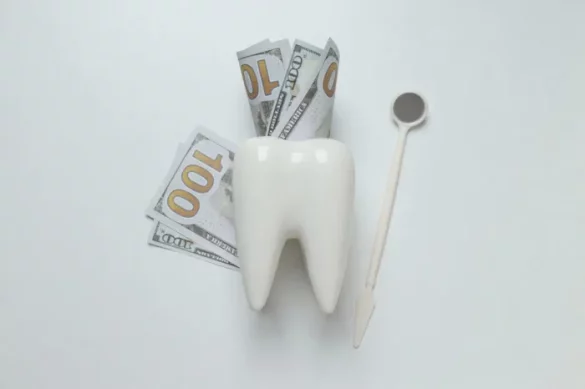
Dental insurance plays a crucial role in helping Americans manage the cost of dental care, which can range from routine exams to complex restorative procedures. With rising healthcare expenses across the U.S., understanding the average amount spent on dental insurance is essential for individuals and families alike. This guide explores how much the typical American pays for dental insurance, the factors that affect these costs, and how insurance impacts overall dental spending.
Average American Spending on Dental Insurance
The average household in the United States spent about $132.56 annually on dental insurance in 2023. For individuals, comprehensive dental insurance plans often cost around $52 each month, which amounts to $624 per year. preventive-only plans are more affordable, averaging $26 monthly, or $312 annually. Actual spending depends on the level of coverage, type of plan chosen, and whether dental insurance is provided through an employer or purchased individually. Group insurance from employers is usually cheaper due to pooled risk and employer contributions, while individual policies tend to be more expensive but offer greater flexibility.
What Does Dental Insurance Cover?
Dental insurance is designed to offset the costs of dental care by providing coverage for a variety of services. Most policies focus on preventive care, such as:
- Routine cleanings and check-ups every six months
- Annual dental X-rays
These preventive services are usually covered 100% by the insurance carrier. Basic services, such as fillings and simple extractions, may be covered at 80%, while major services like root canals, crowns, and dentures are typically covered up to 50%. Some policies include coverage for orthodontic work or cosmetic procedures, but these are often subject to lifetime maximums or waiting periods. Cosmetic treatments, teeth whitening, and certain elective procedures are generally excluded from coverage. It’s important for policyholders to read the fine print so they understand what’s included and what requires additional out-of-pocket payment.
Out-of-Pocket Expenses: A Major Consideration
Even with dental insurance, out-of-pocket costs still make up a large share of dental care spending in America. In 2022, about 40% of all dental expenditures came directly from patients. These expenses can include:
- Premiums (monthly payments to maintain coverage)
- Deductibles (the amount paid before coverage begins)
- Copayments (fixed amounts for specific services)
- Coinsurance (the percentage of shared costs for treatment)
- Any amounts above the annual coverage maximum
Employers usually help reduce out-of-pocket costs for those with group coverage, but individuals purchasing plans independently might face higher premiums and other charges. The annual maximum—often between $1,000 and $2,000—caps how much the insurer will pay in a given year. After reaching this maximum, the patient is responsible for 100% of the additional costs.
Dental Insurance Utilization: Use It or Lose It
Surprisingly, many Americans do not fully utilize their dental insurance benefits. The American Dental Association reports that the average insured individual receives only $323 of dental treatment per year, despite typical plans costing up to $1,250 annually. This means many people leave a large portion of their benefits unused, resulting in substantial wasted potential savings. Most dental insurance plans work on a “use it or lose it” basis—benefits reset each year and cannot be rolled over, so it’s wise to schedule preventive and covered treatments before the end of the coverage period.
Factors Influencing Dental Insurance Costs
Dental insurance premiums and the associated out-of-pocket costs vary based on several factors:
Age
Older adults tend to require more restorative dental care, such as dentures and implants, which raises their overall dental spending. Younger and healthier individuals might opt for basic or preventive-only plans at lower costs.
Plan Type
- DPPO (Dental Preferred Provider Organization): Higher premiums but greater flexibility. Allows both in-network and out-of-network care.
- DHMO (Dental Health Maintenance Organization): Lower-cost option with limited provider choices.
- Fee-for-Service: Highest flexibility, but usually higher costs and no negotiated rates.
- Discount Plans: Not actual insurance—offer negotiated discounts but require direct payment for procedures.
Coverage Level
Plans with higher annual maximums, lower deductibles, and broader coverage for major services tend to cost more. Comprehensive plans can help offset expensive treatments but come at a higher monthly premium.
Provider Network
Choosing in-network dentists lowers costs due to negotiated rates. Out-of-network care often leads to higher out-of-pocket payments.
Geographic Location
Dental insurance rates and average dental procedure costs vary based on where you live. Urban areas or regions with a higher cost of living generally have higher premiums.
Comparing Dental Care Costs With and Without Insurance
Dental insurance helps make dental care affordable, but understanding its true value requires comparing insured versus uninsured costs. Typical dental care without insurance can cost:
- Basic cleaning and polish: $75–$200
- Panoramic dental X-rays: $100–$200
- Fillings: $50–$4,500 (depending on size and material)
- Tooth extraction: $75–$800
- Root canal: $500–$1,500
- Crowns: $500–$2,000
- Dentures: $600–$8,000 (full set)
Without dental insurance, Americans risk facing these expenses in full or may delay care because of the cost. Insurance helps soften the blow, particularly for routine and preventive procedures, but may not always provide full coverage for more extensive treatments. It’s important to evaluate personal dental health needs when choosing a plan to ensure it aligns with expected usage.
Ways to Reduce Dental Insurance and Out-of-Pocket Costs
There are strategies Americans can use to control dental spending:
- Schedule regular preventive check-ups to avoid expensive emergencies
- Consider flexible payment plans offered by dental offices for large bills
- Explore discount dental membership plans for those not interested in insurance
- Use tax-free Health Savings Accounts (HSAs) and Flexible Spending Accounts (FSAs) to pay for qualifying dental expenses
- Choose policies with higher percentages of coverage for major services if such treatments are likely needed
Understanding your dental insurance plan will help you maximize benefits and minimize wasted contributions. Many dental practices offer staff assistance to explain coverage and help you submit pre-determinations to insurance carriers so you know what’s covered before your appointment.
Frequently Asked Questions
1. How much does the average american spend on dental insurance per year?
The typical annual spend ranges from around $132 per household for basic plans to $624 per person for comprehensive coverage.
2. What does dental insurance usually cover?
Most plans cover preventive services like exams and cleanings, basic procedures such as fillings, and a portion of major procedures like crowns or dentures. Cosmetic treatments are rarely covered.
3. Why are out-of-pocket costs still high with dental insurance?
Deductibles, copayments, coinsurance, and annual coverage limits require patients to pay a significant share of costs themselves, especially for complex procedures or after hitting the plan maximum.
4. How can I maximize my dental insurance benefits?
Schedule routine check-ups, understand your plan’s coverage, and use all available preventive care before your benefits reset each year.
5. Is dental insurance worth it?
Dental insurance can help manage costs for those who regularly utilize dental services, but those who seldom visit the dentist may spend more on premiums than they save on care.
Conclusion
Dental insurance is an important financial tool for millions of Americans who want to stay on top of their oral health while managing the cost of routine and emergency procedures. On average, households spend between $132 to $624 annually, depending on plan type and coverage. However, out-of-pocket expenses and unused benefits remain common, which means individuals must carefully consider their insurance needs and use their benefits wisely. By choosing the right plan, understanding what’s covered, and actively scheduling preventive care, Americans can get the best value from their dental insurance and protect both their health and their finances.