


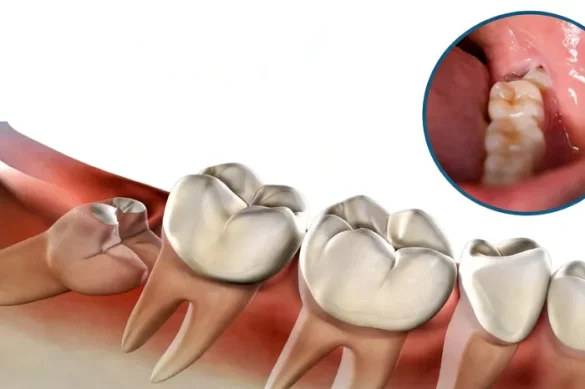
After wisdom teeth removal, many people wonder if it is safe to swallow, especially when there is a mixture of saliva and a small amount of blood. The immediate aftermath of oral surgery raises important questions about what behaviors are safe and which should be avoided. Understanding what is normal and how to support healing is essential for a smooth recovery.
Why Swallowing Is a Common Concern After Wisdom Teeth Removal
Swallowing is an automatic function of the body. However, after wisdom teeth extraction, patients may worry about swallowing blood, saliva, or even other materials, like sutures. This worry is understandable, as oral bleeding and discomfort are common after oral surgery. Many wonder if swallowing could harm the healing area, delay recovery, or cause other issues in the mouth or throat.
What Happens in the Mouth After Wisdom Teeth Removal
After the extraction of wisdom teeth, the mouth goes through several healing stages. The affected area will form a blood clot, which is vital for healing. This clot helps stop the bleeding and protects the underlying bone and nerves. Some bleeding or blood-tinged saliva is a normal part of this process, especially in the first 24 hours. Blood from the extraction site can mix with saliva, causing the saliva to appear pinkish or red for a short period.
Oral tissues are highly vascular, so even minor bleeding can look alarming. However, most of the red coloration comes from a very small amount of blood diluted in saliva, not from substantial ongoing bleeding.
Is It Safe to Swallow after Wisdom Teeth Removal?
Yes, it is generally safe to swallow after wisdom teeth extraction. Swallowing saliva, even when it is slightly tinged with blood, will not harm your throat or stomach. This is a normal part of the post-operative period. Medical and dental guidelines agree that swallowing the saliva is preferable to spitting, as spitting can disturb the healing blood clot and increase the risk of complications such as dry socket.
Many oral surgeons specifically advise patients to avoid spitting or rinsing for the first 24 hours after surgery. Forceful spitting creates negative pressure in the mouth that can dislodge the protective blood clot. If the clot moves or is lost, pain and delayed healing are more likely. Therefore, gentle swallowing is safe and important for proper recovery.
Managing Bleeding: When Is It Too Much?
A small amount of bleeding, or seeing red in your saliva, is expected during the first 24 hours. The presence of a little blood is not usually a cause for alarm. Biting firmly on gauze as instructed helps form a clot and stop active bleeding. If blood persists beyond the normal range, appears as a continuous flow, or saturates gauze pads rapidly, you should contact your oral surgeon for assistance.
Blood swallowed in very large amounts could, in rare cases, irritate your stomach and cause mild nausea. This can usually be controlled by carefully following your provider’s instructions about keeping pressure on the area with gauze and avoiding any unnecessary movement of the jaw. Never keep changing the gauze more often than recommended, as doing so can interfere with clotting.
Can I Swallow Other Materials, Like Sutures, After Surgery?
During the healing process, you might notice that sutures (stitches) become loose or come out. In most modern wisdom tooth surgeries, the sutures used are dissolvable and harmless if accidentally swallowed in a small piece. They will pass safely through the digestive system. If you believe you have swallowed a bit of suture, there is usually no cause for concern. However, if you experience coughing, choking, or breathing problems, seek medical help right away. For typical cases, there is no harm in swallowing small suture pieces.
Guidelines for Safe Swallowing and Oral Care After wisdom teeth extraction
There are several important do’s and don’ts for caring for your mouth and swallowing safely after surgery:
- Do swallow gently. Avoid forceful movements that could disrupt the healing process.
- Do not spit forcefully. Allow saliva to flow into your throat and swallow as normal.
- Do keep gauze in place as directed by your oral surgeon. When using gauze, bite down firmly but gently, and change the gauze only as advised.
- Do not rinse your mouth vigorously during the first day after surgery. Let water passively fall out if you need to clean your mouth.
- Do begin gentle saltwater rinses as directed, usually starting 24 hours after surgery.
- Do not use straws, smoke, or suck on candies, as all of these actions can create suction and risk dislodging the clot.
- Do rest and limit activity as your provider recommends to help your body’s natural healing.
What If Swallowing Feels Uncomfortable or Difficult?
Sometimes surgery causes mild throat soreness, jaw tightness, or swelling that makes swallowing feel peculiar. This is typically not dangerous and resolves as swelling goes down and the tissue heals. However, severe pain, inability to swallow liquids, or any signs of swelling that block the airway are rare but serious complications that require urgent dental or medical attention.
Most patients will be able to swallow liquids, soft foods, and saliva within a few hours of surgery. Start with clear liquids, and progress to soft foods as tolerated. Avoid anything hot, spicy, or acidic as these may irritate the extraction site and increase discomfort when swallowing.
Dietary Recommendations and Swallowing Considerations
After wisdom teeth removal, your diet plays an important role in comfort and healing. Begin with small sips of cool or room-temperature fluids. As swallowing becomes easier and the extraction site shows signs of healing, advance to soft foods such as yogurt, mashed potatoes, or eggs. Chew on the opposite side of your mouth to the extraction, and do not rush eating or drinking.
Take all medications as prescribed, and follow instructions about timing (such as not eating or drinking for several hours if you’ve experienced nausea). Many pain relievers are best tolerated with food, so swallowing soft foods before taking medicine may help reduce the chance of stomach upset.
Recognizing Warning Signs After wisdom teeth extraction
Pay attention to your body and healing process. Contact your oral surgeon or dentist if you notice:
- Persistent, heavy bleeding that saturates gauze even after firm pressure
- Severe pain not helped by medication
- Difficulty swallowing liquids or saliva after the first day
- Swelling that gets significantly worse or causes breathing difficulty
- Signs of infection (fever, pus, foul taste)
Quick response to complications can prevent more serious issues.
FAQs
Is it normal for my saliva to be red or pink after surgery?
Yes, this is normal for the first 24 hours and should decrease as healing progresses.
What should I do if I feel like I am swallowing a lot of blood?
If you are swallowing so much blood that you feel nauseated or your gauze is getting saturated quickly, contact your oral surgeon.
Can I drink water and other fluids after wisdom teeth removal?
Yes, it is important to stay hydrated. Start with cool, clear liquids as recommended.
Is swallowing a dissolvable suture dangerous?
No. Swallowing a small piece of dissolvable suture is safe and typically passes naturally.
When should I be concerned about swallowing after wisdom teeth extraction?
Seek immediate help if you are unable to swallow liquids, have severe throat pain, or experience any airway difficulty.
Conclusion
In summary, it is generally safe and appropriate to swallow after wisdom teeth removal, even when your saliva appears slightly blood-tinged. Swallowing is the body’s natural process and does not interfere with healing. In fact, avoiding spitting and vigorous mouth movements is critical to keeping the protective blood clot in place. Follow your dental professional’s instructions carefully for the best recovery, and reach out to them for any concerns regarding swallowing, bleeding, or your healing process.