


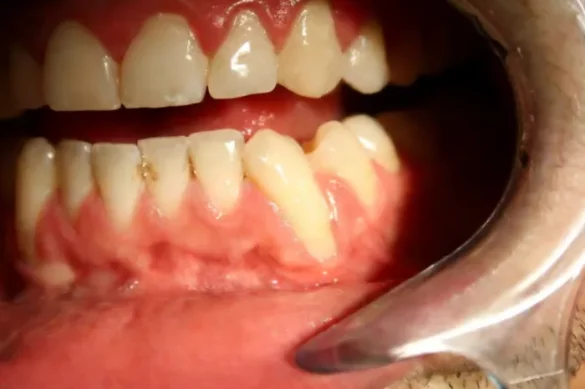
Gum recession is a common dental concern that affects millions of individuals, particularly as they age. Many people notice their gums pulling away from the teeth, exposing the roots beneath, and wonder whether their gums can or will grow back to their original state. Unfortunately, receding gums do not grow back naturally, and understanding why is essential to protect your oral health and prevent further damage.
What Are receding gums?
gum recession refers to the process where the margin of the gum tissue surrounding the teeth wears away or pulls back. This exposes more of the tooth or the tooth’s root. When this happens, people may become aware of increased tooth sensitivity or notice their teeth appearing longer than before. gum recession can affect one tooth or several teeth, and its severity ranges from mild to severe.
Why Don’t receding gums Grow Back?
Unlike skin or the lining of the mouth, gum tissue does not regenerate once it has receded. The fundamental reason is that the specialized cells in gum tissue lack the ability to divide and replace lost gum the way other tissues do. Gum tissue, once lost, does not regenerate like bone or muscle. Medical research confirms that damaged gum tissue cannot regrow spontaneously. While the mouth can heal wounds quickly, such as after biting a cheek, the loss of gum tissue is permanent because the underlying biological structure isn’t designed to restore large segments once they are gone.
The Role of Gum Tissue
Healthy gums do much more than just hold your teeth in place. Gum tissue acts as a protective barrier, shielding the sensitive roots of your teeth from acids, bacteria, and physical damage. When gum recession occurs, these roots become exposed, making them more vulnerable to decay, sensitivity, and infections. Since tooth roots lack an outer layer of enamel, they are at increased risk for problems when uncovered by receding gum tissue.
Causes of gum recession
Several factors contribute to receding gums, including both controllable habits and underlying health conditions:
1. Periodontal Disease
Periodontal disease, also called gum disease, is a major cause of gum recession and affects nearly half of adults over age thirty.
It begins when plaque, a sticky film of bacteria, builds up on and around the teeth and gums. If not removed regularly, plaque hardens into tartar, which further irritates and inflames gum tissue. Over time, this leads to the destruction of supporting bone and gum tissue, causing the gums to pull away and creating pockets that can trap more bacteria.
2. Brushing Too Hard
Aggressive brushing with a hard-bristled toothbrush or using too much pressure can wear down gum tissue over time. It’s essential to brush gently with a soft-bristled toothbrush, as cleaning should remove plaque, not scrub away gums.
3. Poor Oral Hygiene
Inadequate brushing and flossing allow plaque and bacteria to accumulate, leading to gum disease and recession. Daily oral care and regular dental visits are vital for keeping gums healthy.
4. Teeth Grinding
Persistent teeth grinding or jaw clenching, also known as bruxism, puts excessive force on the teeth and supporting tissues. This force may lead to inflammation, bone loss, and gum recession.
5. Other Factors
Smoking, orthodontic treatments, misaligned teeth, genetics, and oral piercings can also contribute to the breakdown and recession of gum tissue.
Symptoms and Consequences of gum recession
Recognizing gum recession early is crucial. Symptoms include:
- Increased tooth sensitivity to hot, cold, or sweet foods
- Teeth appearing longer than usual
- Notches felt where the gum meets the tooth
- Soreness or discomfort near the gum line
- Bleeding or swollen gums
If left untreated, gum recession can lead to serious oral health problems such as root decay, bone loss, tooth mobility, and ultimately tooth loss.
How Do Dentists Diagnose gum recession?
Dentists assess gum recession during a routine dental examination. They use a periodontal probe to measure the gum line and the depth of periodontal pockets around each tooth. Normal pockets measure between 1 and 3 millimeters. Pockets deepening to 4 millimeters or more suggest gum disease or recession. Dental professionals may also take X-rays to evaluate bone loss.
Treatment Options: Managing But Not Regenerating Gum Loss
Although receding gums do not grow back naturally, dental professionals offer treatments to stop progression, manage discomfort, and cover exposed tooth roots:
Nonsurgical Treatment Options
- Scaling and Root Planing: Deep cleaning procedures remove plaque and tartar from above and below the gum line. Smoothing the tooth’s surface helps gums reattach and reduces inflammation.
- Topical Antibiotics: Dentists may apply antibiotics directly under the gums or prescribe oral antibiotics to reduce infection and bacteria that compound gum recession.
- Desensitizing Agents: Special fluoride treatments and toothpaste with ingredients like potassium nitrate can reduce sensitivity and discomfort associated with exposed roots.
- Dental Bonding: Using tooth-colored resin, dentists can cover exposed roots, helping protect them from decay and making them less sensitive.
Surgical Treatments
- Gum Grafting Surgery: In moderate to severe cases, surgeons perform gum grafts using tissue from the roof of your mouth or from donor sources. This procedure replaces missing gum tissue and covers exposed roots, protecting the tooth underneath.
- Regeneration Procedures: Surgeons may use membranes or proteins to stimulate the body to restore lost bone and tissue, especially when significant destruction has occurred due to periodontal disease.
No treatment, however, can regenerate gum tissue naturally; surgeries and procedures simply cover exposed areas or restore volume.
Preventing gum recession: Best Practices
While gum recession cannot be reversed, preventing further recession is possible with proper habits and dental care. Recommendations include:
- Brush gently twice daily with a soft-bristled toothbrush and fluoride toothpaste
- Floss at least once a day
- Use an antimicrobial mouthwash
- Visit your dentist regularly for professional cleanings and early detection
- Avoid tobacco products
- Address teeth grinding with night guards or professional advice
- Correct misalignment with orthodontic treatment if necessary
Conclusion
gum recession is a permanent change and cannot be naturally reversed because gum tissue does not regenerate. The main goal for anyone experiencing gum recession is to stop its progression by practicing good oral hygiene and seeking professional dental care promptly. Advanced treatments and surgical options can restore lost tissue for cosmetic and protective reasons, but prevention remains the cornerstone of oral health. Early detection and management are key to keeping your teeth and gums healthy and avoiding the more severe consequences of untreated gum recession.
Frequently Asked Questions (FAQs)
Can gum recession be cured?
No, gum recession cannot be cured or reversed. However, it can be managed with appropriate treatment to stop its progression and reduce risk of further dental problems.
What can I do to prevent my gums from receding?
Practice gentle brushing, maintain proper oral hygiene, visit your dentist regularly, avoid tobacco products, and manage teeth grinding for the best preventive outcomes.
Are there treatments available for gum recession?
Yes. Treatments range from deep cleaning and topical medications to surgical gum grafting for more advanced cases. While these treatments can cover exposed roots and improve appearance, they do not regrow lost gum tissue.
Is gum recession a sign of serious dental disease?
gum recession is often a warning sign of underlying gum disease or other oral health concerns. It is essential to have receding gums assessed and treated by a dental professional as soon as possible.