


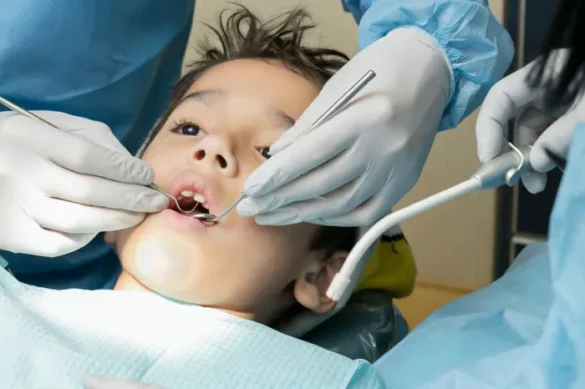
If you are a dental student who loves working with children and is passionate about pediatric oral health, pursuing a residency in pediatric dentistry is a rewarding path. Getting into a pediatric dentistry residency program is competitive and requires thoughtful preparation. This article breaks down the essential steps, practical tips, and insights for aspiring pediatric dentists to strengthen their applications and reach their goals.
Understanding pediatric dentistry residency
A pediatric dentistry residency is a specialized two-year postdoctoral program that trains dentists to provide comprehensive oral health care for infants, children, adolescents, and individuals with special needs. Residents learn advanced clinical techniques, behavior guidance, sedation, and treatment planning tailored for young patients. Completing a residency opens the door to becoming a board-certified pediatric dentist, which can enhance employment opportunities and professional recognition.
Academic Performance: The Foundation of Your Application
Achieve High Grades and Maintain a Strong class rank
Your academic performance is one of the primary factors considered by residency programs. Admissions committees evaluate your dental school GPA, class rank, and performance on dental board exams. Strong grades demonstrate your commitment, clinical understanding, and ability to handle rigorous coursework. If you want to specialize in pediatric dentistry, consistently aim for high academic achievement throughout dental school. While there are no fixed minimum ranks, competitive applicants usually place in the top third of their class. Maintaining your class rank should be a priority from day one.
Prepare for licensing exams
Excelling on dental licensing or board exams further strengthens your candidacy. Focus on key pediatric topics, stay up to date with guidelines, and review materials that emphasize pediatric care. Many programs will review your scores during the selection process.
Gaining Clinical Experience with Children
Shadow Pediatric Dentists Early and Often
Start shadowing pediatric dentists during your pre-dental and dental school years. Shadowing helps you understand the day-to-day realities, communication strategies, and treatment modalities used in pediatric clinics. It also allows you to observe behavior management techniques and learn about handling nervous or special needs patients. Shadowing is an excellent way to network with professionals, learn about different practice models, and find potential mentors who may support your application.
Complete Internships or externships in pediatric dentistry
Participate in clinical rotations, internships, or externships focused on pediatric dentistry. These experiences provide valuable hands-on training in treating children. Many residency programs look favorably on applicants who have completed externships, as they show initiative and genuine interest in pediatric care. When possible, select externships at programs you might apply to for residency, as this can help you build relationships and gain insight into their culture.
Leadership, Clubs, and Extracurricular Activities
Join pediatric dentistry clubs
Most dental schools have student organizations dedicated to pediatric dentistry. Joining a pediatric club lets you interact with like-minded peers, stay informed about specialty events, and develop leadership skills. Leadership positions in these clubs (such as president or coordinator) show commitment and organizational ability on your CV.
Expand Your Involvement Beyond Pediatrics
Programs value well-rounded applicants. Participate in other extracurriculars, volunteer opportunities, and school organizations. Experience beyond dentistry, such as community outreach, fundraising, or teaching, demonstrates empathy, versatility, and a willingness to serve different populations. Taking on responsibilities as a class officer or committee member further strengthens your portfolio.
Research, Networking, and Personal Initiative
Take Part in research projects
Residency programs are increasingly interested in research involvement. Ask pediatric dentistry faculty and residents if you can contribute to ongoing projects, clinical studies, or case reports. Research experience improves your critical thinking, communication, and analytical skills. It also gives you material to discuss in interviews and on your application.
Network with Faculty and Residents
Networking opens doors to mentorship, recommendation letters, and valuable advice. Get to know pediatric faculty, residents, and clinic staff at your school by shadowing, volunteering, and engaging in academic activities. Faculty and residents can help guide your career path, provide feedback, and advocate for you during the application process.
Seek Leadership and Communication Guidance
Successful pediatric dentists are excellent communicators and empathetic leaders. Take initiative to improve these skills through workshops, public speaking events, and active participation in school organizations. Consider joining local dental societies or attending national pediatric dentistry conferences when possible.
Developing Your Application Portfolio
Prepare a Compelling personal statement
Craft a personal statement that explains why you are committed to pediatric dentistry. Share meaningful experiences, your motivation to work with children, and how your background prepares you for residency. Highlight your strengths, challenges you’ve overcome, and your vision for serving young patients.
Secure Strong Letters of Recommendation
Request recommendation letters from faculty who know you well and can speak to your passion, clinical abilities, and character. Letters from pediatric faculty or residents carry weight, but broader endorsements are also valuable. Build relationships early so your recommenders can write detailed, personalized letters.
Build an Impressive CV
Document your academic achievements, clinical experiences, research involvement, leadership roles, extracurricular activities, community service, and skills related to pediatric care. Keep your CV updated and tailor it for each program you apply to.
The Application Process and interviews
Understand the Match Process
Most pediatric dentistry programs participate in a residency match system. The process typically involves registering with the matching service, submitting applications, and attending interviews at selected programs. Research each program’s specific requirements and deadlines. Prepare for interviews by practicing responses to common questions, reflecting on your experiences, and staying current on pediatric topics.
Prepare for Behavioral and Clinical Questions
Interviewers will assess your interpersonal skills, commitment to pediatric dentistry, and ability to handle challenging cases. Practice answering questions about your experiences with children, your approach to difficult situations, and your long-term career goals. Remain honest, professional, and positive throughout the process.
Alternative Routes and Additional Preparation
Consider Completing a general practice residency (GPR)
Some candidates choose to complete a one-year general practice residency before applying to pediatric programs. GPRs provide more advanced clinical training and can help you build confidence, develop skills, and strengthen your application.
Stay Flexible and Resilient
Not every applicant matches in their first cycle. If you don’t match initially, consider enhancing your application with further clinical experience, research, or additional training. Remain persistent, learn from feedback, and continue pursuing your goal.
Conclusion
Getting into a pediatric dentistry residency is achievable for students who prepare thoroughly, stay engaged, and show genuine passion for working with children. Academic excellence, meaningful clinical experiences, involvement in clubs and research, and strong networking are all important. By taking initiative and continuously developing both professional and personal skills, you greatly improve your chances of securing a residency position. The process can be demanding, but graduating as a pediatric dentist offers deep professional fulfillment and opportunities to make a profound impact on young patients.
Frequently Asked Questions (FAQs)
What class rank is needed to get into pediatric dentistry residency?
While there is no official cutoff, competitive applicants are typically in the top third of their class. Academic performance is a critical factor for most programs.
Is shadowing required for pediatric dentistry residency applications?
Shadowing is optional but highly recommended, as it demonstrates sincere interest and helps you gain practical experience.
Do I need research experience to be considered?
Research is valued by many programs, but it’s not mandatory. Participating in or leading research enhances your overall application.
Should I do a general practice residency (GPR) first?
Completing a GPR is optional. It can help you gain additional clinical experience and better prepare you for pediatric residency, especially if you want to strengthen your application.
What can I do if I don’t match a pediatric dentistry residency program on my first try?
You can reapply after improving your application portfolio. Gain more clinical experience, participate in research, take on leadership roles, and seek feedback to make yourself a stronger candidate for the next cycle.