


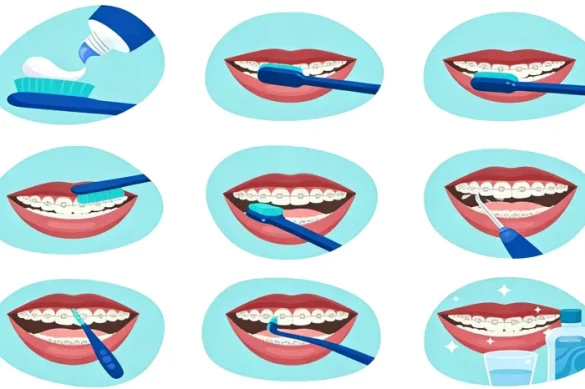
Wearing braces is a big step toward a healthier and more beautiful smile, but it also brings new challenges for daily oral hygiene. braces make it harder for you to clean your teeth, and food can easily get trapped around brackets and wires. Without good care, you could be at greater risk for gum problems and tooth decay. Understanding the right techniques and routines is essential for keeping your teeth and braces clean throughout your orthodontic journey.
Why Your oral hygiene Matters with braces
braces cover parts of your teeth and provide many surfaces where plaque and food can cling. This creates new spots for bacteria to grow, which can lead to cavities, gum disease, and even stains if not properly managed. Good cleaning habits are the foundation for keeping your teeth healthy during orthodontic treatment. Remember, the goal is not only to straighten your teeth but also to keep them strong and clean so you can enjoy a healthy smile when the braces come off.
brushing techniques for braces Wearers
Brushing your teeth is the most basic but crucial step in your oral care routine. With braces, you should brush after every meal and snack. Always use a soft-bristled toothbrush and fluoride toothpaste. Start by rinsing your mouth with water to loosen up any food particles. Hold the toothbrush at a 45-degree angle to the gum line and carefully clean each tooth. First, brush the area above the brackets, then below the brackets and finally around the wires. Take your time and make sure to clean all surfaces.
An interdental brush can help you reach spots that a normal toothbrush cannot. These small brushes fit under wires and between brackets for a deeper clean. Replace your toothbrush frequently, as braces wear down the bristles faster than usual. Consider carrying a travel toothbrush for cleaning after snacks when you are away from home.
Importance of Flossing with braces
Flossing is absolutely necessary when you have braces, but it also becomes more challenging. Regular floss can’t always reach between teeth because of the wires. A floss threader is a helpful tool that allows you to guide the floss under the wires and between your teeth. It may take a bit of practice at first, but with patience, it gets easier. Parents may need to assist younger children with flossing until they become comfortable with it.
Make flossing a daily habit, as it removes food and plaque from areas where your toothbrush can’t reach. This reduces your risk of cavities and keeps your gums healthy. For best results, use waxed floss, which slides more easily between teeth and braces.
Using a water jet for Extra Cleaning
A water jet, or oral irrigator, is a useful device for cleaning your teeth with braces. After brushing and flossing, use the water jet to wash away any stubborn bits of food hiding around brackets or between teeth. Some models let you add an antiseptic rinse to help kill bacteria and freshen your mouth. The gentle stream gets into tight spaces and can be a comfortable addition to your hygiene routine.
mouth rinse: Protect and Refresh
Mouth rinses keep your mouth healthy and fresh. Use a fluoride rinse after brushing to help strengthen your teeth and prevent decay. For braces wearers, an antiseptic rinse can soothe minor gum inflammation and help heal small cuts or scrapes caused by the brackets. For best protection, use your rinse at least four times a day if possible, or as directed by your orthodontist. Remember, rinsing is not a replacement for brushing and flossing.
Taking Care of Your Retainer
If your orthodontic plan includes a retainer, it’s important to keep it clean as well. When not wearing your retainer, soak it in a mouthwash rinse to stay fresh and bacteria-free. Clean your retainer every day to avoid buildup and keep your teeth and gums protected.
Diet Tips for braces Wearers
Your diet can affect your oral health, especially when you have braces. Foods and drinks high in acids or sugars can increase your risk of tooth decay and gum problems. Try to avoid sticky, chewy, or hard foods, which can get stuck in your braces, break wires, or damage brackets.
Choose softer foods and those with low acid content. For example, bananas are gentler on your teeth than citrus fruits like oranges. Drink water or milk instead of sugary soft drinks. Your orthodontist can give you a list of foods to avoid and healthy options to support your treatment.
Differences with Clear Aligners
Clear aligners, such as Invisalign, are another option for orthodontic treatment. Since aligners are removable, cleaning your teeth is much easier. You simply take them out, brush and floss as usual, and put them back in. This reduces the risk of trapped food and plaque. However, many patients still use traditional braces, and the cleaning techniques described here are crucial for their oral health.
Building Good Habits
Cleaning your teeth with braces isn’t only about having the right tools; it’s about making oral hygiene a part of your day. Good habits take practice to develop. brush after every meal and snack, floss every day, use your rinse regularly, and pay attention to your orthodontist’s recommendations.
Regular Orthodontic Visits
See your orthodontist as scheduled and discuss any problems you have with cleaning your teeth. They can show you new tools or techniques and check your mouth for signs of trouble. Professional cleanings during treatment help remove plaque and tartar that may have built up in spots you can’t reach.
Conclusion
Keeping your teeth clean with braces is essential for the long-term health and beauty of your smile. Brush carefully after every meal, floss daily with the help of a threader, use a water jet for stubborn food debris, rinse with fluoride for added protection, and eat foods that support dental health. With daily effort, you’ll help prevent cavities, gum disease, and stains, making the end results of your orthodontic treatment even more rewarding. Talk to your orthodontist if you have questions about techniques, products, or your specific needs.
Frequently Asked Questions
How often should I brush my teeth with braces?
You should brush your teeth after every meal and snack to prevent buildup of food and plaque.
What type of toothbrush is best for braces?
A soft-bristled toothbrush is safest, and an interdental brush can help reach between wires and brackets.
Is flossing necessary with braces?
Yes, flossing remains important. Use a floss threader to get underneath the wires.
Should I use a mouth rinse when I have braces?
A fluoride rinse is recommended to help strengthen teeth and reduce inflammation. Use as directed by your orthodontist.
Can my diet affect the cleanliness of my teeth with braces?
Yes, avoid sugary, sticky, or acidic foods and drinks to lower your risk of tooth decay and damage to your braces.