


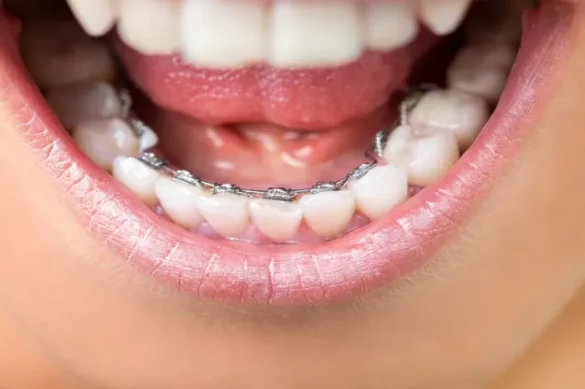
Lingual braces have become a leading option for adults and teens who want effective orthodontic treatment without visible hardware. Positioned on the tongue side of your teeth, these “behind-the-scenes” braces offer a unique blend of discretion and comprehensive correction. However, their premium pricing often leaves potential patients asking, “how much are lingual braces?” This article delves into the cost of lingual braces, why they are priced this way, and whether the investment could be right for you.
What Are Lingual Braces?
Lingual braces are custom orthodontic appliances attached to the back (lingual side) of the teeth. They use similar brackets and wires as traditional metal braces, but are entirely hidden from view when you smile or speak. This makes them one of the most discreet treatment options on the market. Each set is custom designed for your mouth using digital impressions and advanced 3D technology. Most orthodontic concerns, including crowding, spacing, and bite issues, can be addressed using lingual braces.
How Much Do Lingual Braces Cost?
The cost of lingual braces can range widely but typically falls between $5,000 and $13,000. Most cases average around $8,000 to $10,000, which is a higher price point than traditional metal or even ceramic braces. For comparison:
- Traditional metal braces: $3,000–$7,500
- Ceramic braces: $4,000–$8,000
- Invisalign or clear aligners: $4,000–$7,500
- Lingual braces: $5,000–$13,000
The exact cost depends on several factors, including complexity of the case, the orthodontist’s expertise, the technology used, and your location. Major metropolitan and high-income areas tend to present higher costs. Treatment plans addressing more severe crowding or bite correction also increase overall expenses.
Why Are Lingual Braces More Expensive?
Several factors explain the higher cost of lingual braces compared to other orthodontic treatments:
custom fabrication
Every bracket and wire used in lingual braces is tailored for the back surfaces of your teeth, requiring specialty labs and cutting-edge digital technology. This level of customization raises laboratory and production costs.
specialist expertise
Not every orthodontist offers lingual braces. The technique requires extra training, and experienced providers may charge more for their skill and commitment to additional education.
more time and effort
Placing and adjusting braces on the tongue side is more complex and time-consuming than traditional methods. Each office visit or adjustment session typically takes longer, impacting the cost.
limited availability
Due to the specialized nature of lingual braces, fewer clinics offer this option. When demand outpaces supply, prices tend to stay high.
What Influences the Price of Lingual Braces?
case complexity
Cases requiring significant tooth movement or correcting severe bite problems will need more appointments, adjustments, and longer treatment time—all of which add to the cost.
length of treatment
Treatment time for lingual braces typically aligns with that of other comprehensive orthodontic options—usually 18 to 24 months. Simpler cases may finish sooner and cost less, while complex situations can extend the timeline and raise the price.
dentist’s experience
Providers with substantial experience offering lingual braces may charge more. However, their expertise often means better outcomes and fewer complications.
Location
Practices in major cities or affluent communities tend to set higher fees due to overhead, demand, and cost of living.
insurance coverage and payment plans
Most dental insurance plans that cover orthodontics will partially offset the cost of lingual braces. Coverage typically mirrors that provided for other types of braces (commonly 50% up to a lifetime maximum, such as $1,000–$3,000). Yet, because lingual braces are more expensive, you are likely to have higher out-of-pocket expenses than with traditional options. Always check your insurance policy details and ask your orthodontic office for an estimate.
Many practices offer interest-free financing, extended payment plans, or can advise you about using Health Savings Accounts (HSAs) and Flexible Spending Accounts (FSAs) to manage costs. Coordinators at most clinics will help you determine what your insurance will cover and present options for spreading payments over time.
Lingual Braces vs. Other Orthodontic Treatments
When considering lingual braces, it helps to weigh them against other solutions:
- Traditional Braces: The most affordable and effective for all types of cases, but the hardware is highly visible.
- Ceramic Braces: Less noticeable than metal, but still visible from the front. Costs more than metal, but less than lingual.
- Clear Aligners (e.g., Invisalign): Removable and virtually invisible, though they are not suitable for all cases, especially the most complex ones. They tend to fall in the mid-range cost bracket for orthodontic treatments.
- Lingual Braces: Completely hidden and effective for nearly all orthodontic issues, but at a higher price point. Lingual braces require careful attention to speech and oral hygiene during the initial adaptation period.
What to Expect With Lingual Braces
Adjustment Period
Most patients report that the initial weeks with lingual braces are an adjustment, particularly for the tongue. Temporary speech changes, such as a mild lisp, are common but usually fade within 2–3 weeks as your mouth adapts. Some people need longer, especially if they speak, sing, or use their voice frequently for professional reasons.
Oral Hygiene
Because the brackets are on the inside of your teeth, cleaning requires extra attention. Specialized brushes and water flossers help maintain good hygiene. The benefit is that potential brace-related white spots will not appear on the front of your teeth when the braces are removed.
Treatment Duration
Most people wear lingual braces for about 18–24 months, with dental visits every 6–8 weeks for adjustments. Simpler treatments can finish faster. Like all braces, prompt attendance and good home care speed up results.
Daily Life
Lingual braces are virtually invisible while smiling and speaking. They may cause temporary tongue sensitivity or changes in eating habits. Sticky foods, hard candies, and some types of bread may be more challenging at first, though most patients adapt within a few weeks.
Are Lingual Braces the Right Investment?
The decision to invest in lingual braces is personal. If you prioritize complete discretion, especially for professional or social reasons, lingual braces are well worth the higher cost. They provide all the benefits of traditional braces but remain hidden. Lingual braces are also an excellent option if your orthodontic case is complex and cannot be addressed with clear aligners alone.
However, other options—like traditional metal or ceramic braces—are equally effective at lower costs. Clear aligners can offer a balance of cost and aesthetics for less complex cases. The best choice depends on your goals, budget, and lifestyle.
Conclusion
Lingual braces are among the most advanced and discreet orthodontic treatments available today. Their cost—usually between $5,000 and $13,000—reflects the high level of customization, specialist expertise, and advanced technology involved. For those who value invisible treatment and comprehensive results, lingual braces can represent a smart investment in their appearance and confidence. Evaluate treatment options, insurance plans, and payment solutions with your orthodontist to make the most informed decision possible about your smile.
Frequently Asked Questions
Do Lingual Braces Hurt More Than Other Braces?
Most patients experience similar levels of discomfort—slight soreness and sensitivity at the start. Temporary tongue irritation often decreases within 2–3 weeks.
Does Dental Insurance Cover Lingual Braces?
Most plans offer some coverage for orthodontics, but because lingual braces are more expensive, expect higher out-of-pocket costs. Always verify your policy.
How Long Does Treatment With Lingual Braces Take?
Treatment usually lasts 18–24 months, depending on complexity. Minor corrections may finish more quickly.
Will Lingual Braces Affect My Speech?
A brief adjustment period is common, with temporary speech changes fading as you adapt. Practicing reading or speaking can speed up recovery.
Are Lingual Braces Hard to Clean?
Cleaning takes extra care since brackets are hidden. Water flossers and special brushes are recommended, but many patients develop effective routines quickly.