


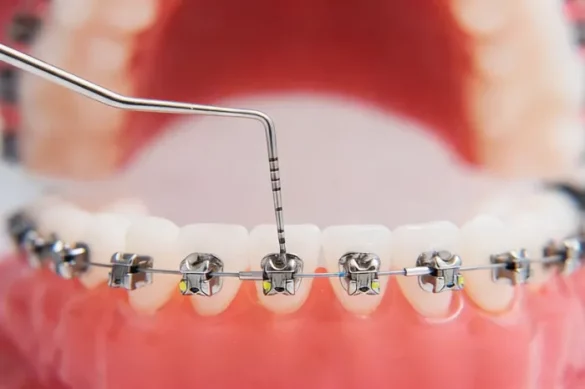
Braces are one of the most effective tools in achieving straight teeth and a healthy smile. However, the process of wearing braces involves regular maintenance, most notably tightening appointments. Many patients wonder how long it takes to tighten braces and what the process involves. This article provides a comprehensive guide to the timing, procedure, and aftercare of braces tightening, making it easy to understand for anyone beginning their orthodontic journey.
What Is braces tightening?
braces tightening refers to the scheduled adjustments your orthodontist makes to ensure your teeth keep shifting into their desired positions. During these appointments, the orthodontist either adjusts the wires, exchanges elastics, or sometimes replaces some components. The main goal is to restore consistent pressure, which is essential for effective tooth movement. This pressure encourages the teeth and jaw bone to remodel and adapt, gradually improving your bite and alignment.
how long does it take to tighten braces?
A typical braces tightening session is relatively quick, usually lasting between 15 and 30 minutes. The exact duration can vary depending on your orthodontist’s approach and the complexity of your case. The actual process of tightening—removing old bands or wires, assessing progress, and installing new adjustments—is straightforward and often done chairside at the orthodontist’s office.
During a tightening session, your orthodontist will:
- Remove the old elastic bands (ligatures)
- Examine the teeth for progress
- Adjust, reposition, or replace wires
- Install new elastics
- Perform a final check for comfort
The most time-consuming part is sometimes the checking and decision-making, especially during your first few visits. Most of the physical adjustment procedure is swift and painless, though some pressure may be felt as the new wire or bands are put into place.
Frequency of braces tightening Appointments
Braces must be tightened regularly to maintain treatment progress. The average interval between tightening sessions is every four to six weeks. This periodic schedule ensures the ongoing movement of teeth without overloading them, which could otherwise lead to excessive discomfort or risk of complications.
The exact schedule depends on individual needs. Some patients, such as those with complex cases, may require more frequent adjustments, while others are on a slightly longer cycle. It is important to attend all appointments as scheduled, since missing a session can slow down your progress and extend the overall treatment time.
Why Tightening Matters
Braces work by applying continuous, gentle pressure to shift the teeth. Over time, pressure on the teeth lessens as they move, and the wires or bands lose their effectiveness. Regular tightening restores the needed pressure, keeps teeth shifting, and adapts the treatment plan based on progress. Without timely tightening, tooth movement can stagnate, delaying results significantly.
The braces tightening Procedure: What to Expect
Step 1: removing old bands
The orthodontic assistant first removes the small elastic bands holding the wire. This is a painless step and usually only takes a minute or two.
Step 2: Checking Your Progress
The orthodontist examines your teeth closely. They might refer to previous records or imaging to evaluate how well your teeth have shifted. Progress assessments help guide the necessary changes.
Step 3: adjusting wires or Components
Based on your needs, the orthodontist could slightly bend your existing wire, swap it for a stronger wire, or add springs or spacers. You might sense a snug feeling during this step as the pressure is reapplied.
Step 4: installing new elastics
New elastic bands are affixed to secure the wire and sometimes to provide extra force to specific teeth. Patients can usually choose fun colors for these bands, adding a bit of personality to their smile.
Step 5: final comfort check
Before you leave, the orthodontist checks that everything feels comfortable. If any part of the braces feels excessively tight or irritates soft tissue, adjustments are made.
Aftercare: What Happens after tightening?
After a tightening session, it is normal to feel soreness or mild pain for a few days. This discomfort is a sign that your teeth are responding to the renewed pressure and starting to move again. For most people, the most intense soreness occurs within the first 24 hours and gradually eases within two to three days. If discomfort lingers beyond a week, consult your orthodontist for advice.
Managing Pain and discomfort
There are several simple ways to relieve discomfort after a tightening session:
- Over-the-counter pain medication such as ibuprofen or acetaminophen
- Topical oral anesthetics to numb sore spots
- Cold compresses held against the cheek
- Drinking cold water to soothe irritated tissues
- Gentle brushing and flossing to avoid aggravating soreness
- Eating soft foods such as yogurt, mashed potatoes, eggs, and soups
- Using orthodontic wax on brackets and wires to reduce rubbing against cheeks and tongue
- Warm saltwater rinses to clean and soothe the gums
The pain is temporary, and sticking to these methods helps make the recovery more comfortable. It’s best to avoid hard, crunchy, or chewy foods immediately after tightening, as these can increase pain and may damage your braces.
What If Appointments Are Missed?
Missing tightening appointments can delay treatment. As the pressure on the teeth reduces over time, a lack of tightening slows down tooth movement or can even cause teeth to drift off course. While there are no serious health risks to missing a single visit, long gaps between sessions mean that your braces are less effective and total treatment time is extended.
How Do Tightening Intervals Affect Treatment duration?
Sticking to regular appointments directly impacts how long you’ll need to wear your braces. Attending tightening sessions every four to six weeks ensures steady progress. If you miss appointments or need less frequent visits, your teeth move more slowly, and overall treatment may last longer.
Foods to Eat after tightening
Soft, easy-to-chew foods are recommended for a day or two after your braces have been tightened, as hard or crunchy foods may aggravate pain and risk damage to the hardware. Good choices include:
- Yogurt
- Mashed potatoes
- Scrambled eggs
- Soups
- Rice
- Smoothies
- Noodles
- Bananas
Avoid foods like nuts, chips, hard fruits, candy, and tough meats, as these may increase discomfort or even loosen brackets and wires.
Side Effects of braces tightening
Most side effects are mild and short-lived. They can include:
- soreness and tenderness
- Difficulty chewing
- Temporary irritation of cheeks or lips
- Sensitivity to cold foods
If side effects persist or are severe, contact your orthodontist for further guidance.
Conclusion
The process of tightening braces is a critical part of orthodontic treatment, keeping your teeth steadily moving toward their ideal alignment. Sessions are quick, typically taking just 15 to 30 minutes, and are scheduled every four to six weeks. Some soreness is normal but can be well managed with simple aftercare strategies. For optimal results, never skip tightening appointments, follow recommended dietary choices, and always communicate with your orthodontist if you experience unusual pain or concerns. Sticking to your orthodontic plan not only ensures a shorter treatment time but also paves the way for a healthier, more attractive smile.
FAQs
How often do braces need to be tightened?
Braces are usually tightened every four to six weeks, depending on your progress and your orthodontist’s recommendation.
Does the tightening process itself take long?
No, the actual adjustment typically takes just 15 to 30 minutes during a regular visit.
How long does soreness last after tightening?
Most patients experience discomfort for about two to three days after each session.
What should I eat after braces are tightened?
Stick to soft foods like yogurt, soups, mashed potatoes, and scrambled eggs to minimize discomfort.
Will missing tightening appointments make my treatment longer?
Yes, delays in appointments can slow tooth movement and extend your overall treatment period.
Is it normal to feel pain after tightening braces?
Yes, slight soreness and sensitivity are to be expected and show that your braces are working. Pain should fade within a few days.
Can I request less pressure to avoid pain?
It’s important to follow your orthodontist’s plan. Let them know if discomfort is severe, but tightness is necessary for progress.