


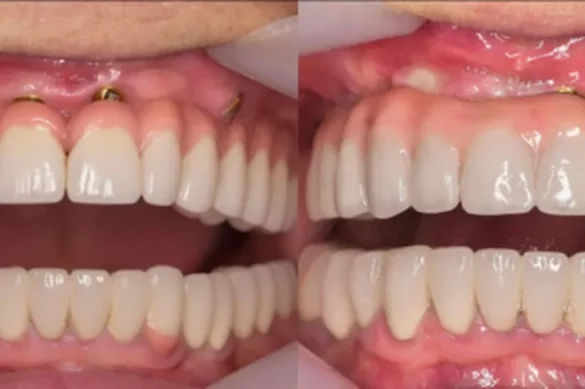
dental implants have become a popular and effective solution for replacing missing teeth. For many people, dental implants are the preferred option because they look and function like natural teeth. However, patients often wonder if having gum disease, also known as periodontal disease, can prevent them from getting dental implants. Understanding the relationship between gum disease and dental implants is crucial for making informed decisions about oral health.
What Is gum disease?
gum disease is a common oral health issue caused by bacterial infection in the gums and supporting tissues. It starts with gingivitis, which is the early stage and involves redness, swelling, and bleeding of the gums. If left untreated, gingivitis can progress to periodontitis, a more advanced stage of gum disease. periodontitis can cause severe damage to the gums and jawbone, leading to loss of teeth and bone structure.
How dental implants Work
dental implants are artificial tooth roots made of titanium. They are surgically placed into the jawbone and allowed to fuse with bone over time. This process is called osseointegration. Once the implant is securely anchored in the bone, a crown or artificial tooth can be placed on top. dental implants usually have a very high success rate, often above 98%.
Can You Get dental implants with gum disease?
Patients with gum disease can still be candidates for dental implants, but there are important factors to consider. The main concern is that active gum disease can compromise implant success. Infection and inflammation in the gums and bone can interfere with the healing needed for implants to integrate properly. As a result, dental professionals recommend that gum disease be treated and controlled before implant surgery.
periodontal disease is not an automatic disqualifier for dental implants. However, untreated or active infections in the gums increase the risk of implant failure. Good oral health and stable gum conditions are necessary for the long-term success of dental implants.
Treating gum disease Before Implants
The first step for patients with gum disease who want dental implants is to treat the periodontal condition. This often involves visiting a periodontist, who is a dentist specializing in gums and supporting tissues. Treatments may include:
- Professional cleaning to remove plaque and tartar
- Scaling and root planing to clean deep under the gumline
- Antibiotic therapy to reduce infection
- Improved daily oral hygiene
After gum disease is under control and there is no active infection, patients can be evaluated for dental implant surgery. The gums need to be healthy so the area around the implant can heal and integrate correctly with the jawbone.
bone loss and the Need for bone grafting
One complication of advanced gum disease is bone loss in the jaw. dental implants must be anchored solidly in the jawbone. If there is not enough healthy bone, the implant cannot be placed securely. In such cases, bone grafting may be needed before dental implant surgery. bone grafting involves adding bone material—either from a donor bank or from another part of the patient’s body—to the jawbone. This strengthens the area and creates a stable foundation for the implant.
bone grafting procedures are common and generally successful. Patients may need to wait several months after bone grafting before implant placement so the graft can heal and fully integrate with the existing bone.
The Importance of Honest Communication With Your Dentist
When considering dental implants, it is very important to provide your dentist or oral surgeon with a full medical and dental history. This includes sharing any issues with gum disease in the past. Qualified dental professionals use this information to recommend the best treatment plan and ensure the highest chances of implant success. Together, you and your dental team can create a strategy to treat existing gum problems and prepare for recovery and maintenance after the implant procedure.
What Can You Expect During the Treatment Process?
If you have gum disease and want dental implants, your treatment plan may include several steps:
Step 1: Diagnosis and Assessment
Your dentist will examine your mouth, review your history, and decide whether gum disease is present and how severe it is. X-rays or scans may be taken to check bone levels.
Step 2: Periodontal Treatment
Any active gum disease will be treated. For mild cases, this could involve deep cleaning and improved oral hygiene. Severe cases may need surgical procedures or antibiotics and referrals to a periodontist.
Step 3: Bone Evaluation
The dentist will determine if there is enough bone to support implants. If not, bone grafting may be necessary before proceeding.
Step 4: Implant Placement
After gum disease is under control and bone structure is adequate, the implant procedure can be scheduled.
Step 5: Healing and Integration
The implant area needs time to heal so the titanium post can integrate with the bone. This process may take several months.
Step 6: Placement of artificial teeth
Once healing is complete, the dentist will attach custom-made crowns or artificial teeth to the implants, restoring your smile and chewing function.
Risks of Ignoring gum disease with dental implants
Placing dental implants in areas with untreated gum disease can lead to problems. Infection and bone loss may cause the implant to fail or result in further complications. This can lead to pain, discomfort, and the need for more complex dental work. For this reason, treating gum disease before implant placement is critical. Patients who follow these guidelines have much better outcomes and longer-lasting results.
Preventing Recurrence of gum disease After Implants
Successful dental implants depend on maintaining healthy gums and bone. After receiving implants, patients must continue good oral hygiene. This includes:
- Brushing twice a day
- Flossing daily
- Regular dental checkups
- Professional cleanings
Your dentist may also recommend specific home care routines or products to keep your mouth healthy and your implants safe from future gum disease.
Conclusion
It is possible to receive dental implants even if you have had gum disease, but only if the disease is actively treated and controlled before the procedure. healthy gums and adequate bone are central to the success of dental implants. bone grafting is available for those with bone loss caused by advanced periodontal disease. By working closely with a dental professional and maintaining good oral hygiene, patients can enjoy long-lasting results and improved oral health following implant treatment.
Frequently Asked Questions
Can I get dental implants if I have mild gum disease?
Mild gum disease like gingivitis can usually be treated quickly. Once your gums are healthy, you are likely a suitable candidate for dental implants.
What happens if I ignore gum disease before getting implants?
Ignoring gum disease can compromise the success of the implant and lead to additional complications, including implant failure.
Is bone grafting always needed for patients with gum disease?
bone grafting is only necessary if gum disease has caused significant bone loss in your jaw. A dental evaluation can determine whether it is needed.
How long does treatment for gum disease take before implants?
The length of treatment depends on the severity of your gum disease. Mild cases may be controlled within weeks, while severe cases could take several months.
Will dental implants prevent future gum disease?
dental implants do not prevent gum disease. Good oral hygiene and regular dental visits are essential to keep gums healthy after implants are placed.