


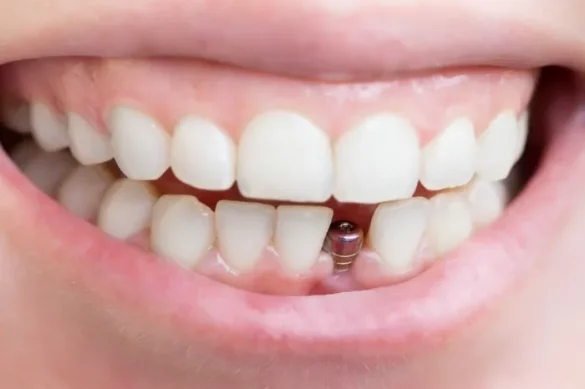
tooth extraction is sometimes necessary to maintain oral health, whether due to injury, decay, or disease. Many patients facing extraction are also eager to restore their missing tooth with a dental implant—the closest solution to a natural tooth. However, the timing between extraction and implant placement is crucial for a successful and lasting result. Understanding the steps, healing periods, and factors influencing the process allows you to make informed decisions about your dental care.
Why Timing Matters for Dental Implants After tooth extraction
Dental implants are more than just a cosmetic fix; they mimic the function of natural teeth by replacing both the visible crown and the underlying root structure. This design keeps your jawbone healthy and your bite aligned. If an implant is placed too soon, before proper healing, complications can arise. If it’s placed too late, bone loss can occur, making the process more complex and time-consuming.
What Happens After a Tooth is Extracted?
When a tooth is removed, the empty space can feel unnatural. Beyond the immediate gap, your body responds in several ways:
- The jawbone that supported the tooth begins to lose density and volume because it no longer receives stimulation from chewing.
- Neighboring teeth may drift into the gap, creating misalignment.
- Chewing and speaking can become harder, especially if multiple teeth are missing.
- There is a risk of bite problems and potential jaw joint pain.
Replacing the missing tooth quickly is important. Dental implants are often the preferred option because they look, feel, and function like natural teeth.
Types of dental implant Placement Timing
There are three main scenarios for placing a dental implant after tooth extraction. The most suitable depends on your gum health, bone condition, and the reason for extraction.
Immediate dental implant Placement
In some cases, the implant can be placed right after the tooth is extracted, during the same appointment. This is usually possible if:
- Your gums are healthy
- Jawbone is strong and dense enough to hold the implant
- There is no active infection or severe inflammation
Immediate placement reduces the number of procedures and minimizes overall treatment time. However, it is not suitable for everyone, especially those with chronic gum problems or bone loss. After placement, a healing period called osseointegration follows, where the implant fuses to the bone. This process takes three to six months. Only then can the final dental crown be attached.
Early dental implant Placement
‘Early’ placement means the implant is placed about two to three months after extraction. This short delay gives the gum tissue and bone some time to heal, especially if there was mild infection or trauma during extraction. Early placement aims to reduce the risk of complications and the extent of bone loss. The procedure is scheduled before three months have passed, as jawbone loss tends to accelerate during this time. After the implant post is inserted, osseointegration will again take several months before the permanent crown is fitted.
Delayed dental implant Placement
If the tooth was infected or decayed for a long time, the jawbone may not be healthy enough to support the implant right after extraction. In these cases, bone grafting is needed. Bone grafts build up the bone in the area, creating a stable foundation for the implant. The steps involved are:
- Tooth is extracted
- Bone graft procedure is performed (using material from the patient or synthetic substitutes)
- healing period for the bone graft (usually three to six months)
- Implant placement surgery
- osseointegration period of three to six months
Delayed implant placement can take nine months or longer from extraction to final restoration, depending on the severity of bone loss and healing response.
The dental implant Process: Step by Step
Let’s outline each major stage involved in getting a dental implant after extraction:
1. Consultation and Assessment
Your dentist will examine your mouth, review your health history, and take images to evaluate bone quality and gum health. Sometimes, special scans are used to assess bone volume and density. The goal is to determine which implant timing option best fits your situation.
2. tooth extraction
The damaged or decayed tooth is removed using careful surgical techniques. Depending on complexity, healing time will vary. Immediate implants may be placed now, or you’ll enter a healing period before the next step.
3. bone grafting (if needed)
If bone loss is evident, a bone graft is performed. This increases the chances of implant success and long-term stability. Synthetic or donor bone material is added to the extraction site, then covered and left to heal and integrate with your own bone.
4. Implant Placement
The dental implant—a small titanium post—is surgically inserted into the jawbone. Sometimes, this is done the same day as extraction; other times, after the gums and bone have healed.
5. Healing and osseointegration
After implant placement, osseointegration occurs. This is when the bone grows tightly around the implant, anchoring it securely. This phase typically lasts from two to six months, depending on bone quality, age, and overall health.
6. Abutment and Crown Placement
Once healing is complete and the implant is stable, an abutment (connector) is attached. This supports the final dental crown, which is custom-made to match your natural teeth.
7. Follow-Up Care and Maintenance
Routine check-ups and good oral hygiene ensure the implant remains healthy and functional. Your dentist will monitor gum health, check for signs of infection or implant problems, and adjust your care instructions as needed.
Common Factors That Influence the Timeline
The time needed between extraction and implant placement is different for every patient. Factors include:
- Bone health and density
- Presence of infection or inflammation
- Complexity of the extraction
- Need for bone grafting
- Number of implants required
- Overall medical health and healing ability
Smokers and patients with chronic illnesses may need to wait longer for healing. Some cases allow for immediate placement; others require months of preparation and recovery.
Risks of Waiting Too Long and Placing Too Soon
Delaying implant placement too long can cause significant bone loss, making future treatment harder and increasing need for grafting. Placing implants too soon, before the tissues are ready, can lead to poor healing, infection, and failure. Your dentist’s expertise is essential in balancing these risks and selecting the right timeline for your needs.
Importance of Follow-Up Visits and Long-Term Maintenance
Dental implants require ongoing monitoring. Regular dental visits let your dentist:
- Check implant stability
- Make sure osseointegration is successful
- Identify early signs of gum disease or bone loss
Daily brushing, flossing, and use of mouthwash are needed to keep implants healthy. Good oral hygiene and professional cleanings help prevent complications.
Conclusion
The ideal time between tooth extraction and dental implant placement depends on your individual oral health, jawbone quality, and whether additional procedures are required. Immediate implant placement can be done for some, but others need two to three months for healing or even longer when bone grafting is required. Understanding this process and working closely with your dental team ensures a smooth, successful outcome—a healthy, beautiful new smile. Dental implants offer outstanding results when placed at the right time under expert guidance.
FAQs
How long do I have to wait for dental implant placement after tooth extraction?
Depending on your situation, implants may be placed immediately, after two to three months, or after additional bone grafting and healing that can take several months.
Can dental implants be placed years after tooth removal?
Yes, but assessment of bone quality is vital. Bone loss may require grafting before implant placement is possible.
What is osseointegration and why is it important?
osseointegration is the process where the implant fuses with the jawbone, providing a stable foundation for the tooth replacement. It usually takes two to six months and is vital for implant success.
Can I get multiple dental implants at once?
Yes, multiple implants can be placed depending on your bone health and overall dental plan. Your dentist will assess and advise based on your specific needs.
What are the risks if implant placement is delayed?
Extended delays can lead to bone loss, making implant placement more difficult and requiring additional procedures such as bone grafting.