


Periodontal disease, commonly known as gum disease, is a widespread health issue that affects millions of adults worldwide. It is a leading cause of tooth loss and has serious implications for oral and systemic health. Many people are not aware of how common it is, especially among adults in their 40s. Understanding how many 40-year-olds have periodontal disease can help raise awareness and encourage preventive care.
What Is Periodontal Disease?
Periodontal disease is an inflammatory condition that damages the supporting structures of the teeth, including the gums, periodontal ligament, and jawbone. The disease starts with the accumulation of plaque, a sticky film full of bacteria, on the teeth and gums. If this plaque is not regularly and effectively removed, it leads to inflammation and infection. Early-stage gum disease is known as gingivitis. If gingivitis is not treated, it can worsen into periodontitis—the more severe and destructive stage of the disease.
In periodontitis, gums pull away from the teeth, which forms pockets that trap bacteria and cause even more infection and tissue breakdown. Over time, this process can result in loose teeth or even tooth loss.
How Common Is Periodontal Disease?
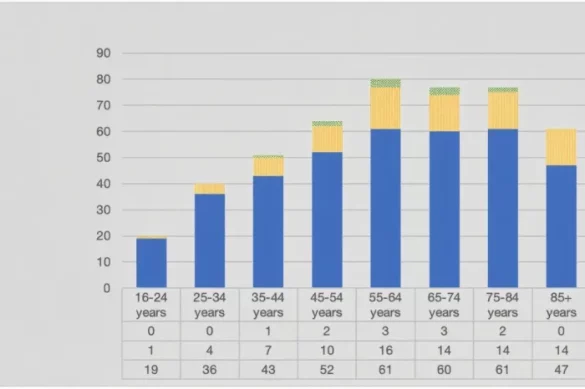
Gum disease is not rare. In the United States, data from the National Health and Nutrition Examination Survey (NHANES) suggests that about 42% of adults aged 30 years or older have some form of periodontitis. This includes mild, moderate, and severe disease. The prevalence increases steadily with age. For those 65 and older, nearly 60% have some form of gum disease.
Periodontal Disease Prevalence Among 40-Year-Olds
When we look specifically at 40-year-olds, they are part of the adult population over 30, and their disease rate closely reflects the 42% figure from national data. This means that roughly four out of every ten 40-year-olds have some stage of periodontal disease. This number can be higher or lower depending on an individual’s oral hygiene, genetics, lifestyle habits, and other health conditions.
Why Does Prevalence Increase With Age?
As people age, their gums and supporting dental structures become more vulnerable. Years of plaque build-up, the cumulative effect of missed cleanings or poor habits, or even underlying medical conditions, all increase the chance of developing gum disease. Furthermore, the immune system grows less efficient at managing inflammation as we grow older, allowing gum disease to progress more easily.
Risk Factors for Periodontal Disease at Age 40
Several risk factors make it more likely for someone aged 40 to have periodontal disease:
Inadequate Oral Hygiene
Not brushing or flossing teeth daily leads to plaque buildup. The longer plaque remains on the teeth, the higher the risk for gum disease.
Smoking and Tobacco Use
Smoking is a strong risk factor. More than 60% of current smokers have periodontal disease. Adults in their 40s who smoke are much more likely to develop gum problems.
Health Conditions
Certain chronic diseases can also increase risk. Diabetes is a common example. Almost 60% of people with diabetes also have gum disease.
Genetics
Some people inherit a tendency for gum disease. Family history plays a role.
Hormonal Changes
Women may be more susceptible to gum changes due to hormonal changes, though overall, periodontal disease is slightly more common in men than in women.
Poor Nutrition
A diet low in vitamins and minerals, especially vitamin C, can harm gum health and immune response.
Stress
High stress levels can weaken immune function, opening the door for mouth infections.
Other Factors
Excessive alcohol use, certain medications, and poor access to dental care all contribute to risk.
Signs and Symptoms to Watch
Periodontal disease often progresses silently. Some warning signs include:
- Bleeding gums when brushing or flossing
- Red or swollen gums
- Persistent bad breath
- Gums that have pulled away from the teeth
- Loose or shifting teeth
- Pus between teeth and gums
If you are around 40 and experience one or more of these symptoms, it is wise to see a dentist as soon as possible.
How Is Periodontal Disease Diagnosed?
Dentists use several methods to diagnose gum disease. These include checking for gum bleeding, measuring pocket depths around each tooth, taking dental X-rays to look at bone loss, and assessing other signs of inflammation or infection.
The American Academy of Periodontology and the European Federation of Periodontology have developed a detailed classification system for periodontal disease. The current system sorts periodontitis into stages (I through IV) based on severity, and grades (A, B, or C) based on how fast the disease is progressing. This helps dentists plan the best treatment for the patient.
Can Periodontal Disease Be Prevented or Treated?
Yes, periodontal disease can be both prevented and managed successfully, especially when detected early. The key prevention steps are simple:
- Brush your teeth twice a day using fluoride toothpaste.
- Floss once daily to remove plaque between teeth.
- Visit your dentist regularly for cleanings and check-ups.
- Avoid smoking and limit alcohol.
- Manage chronic health conditions such as diabetes.
If diagnosed with periodontal disease, treatment options might include non-surgical therapy, such as professional cleaning, scaling and root planing, or, in more severe cases, gum surgery. The goal is to reduce bacteria, stop tissue destruction, and prevent tooth loss.
Impact of Periodontal Disease on Overall Health
Gum disease does not only threaten your teeth and gums. It has also been linked with conditions such as heart disease, diabetes, respiratory problems, adverse pregnancy outcomes, rheumatoid arthritis, and possibly dementia. The exact nature and strength of these associations are still being researched, but maintaining healthy gums is part of protecting your overall health.
Importance of Lifelong Maintenance
Even after successful treatment, individuals remain at risk and should continue with supportive periodontal maintenance. This means regular dental visits, further hygiene improvements, and monitoring for any signs of relapse. Good home care and professional attention can keep periodontal disease under control and help preserve teeth for a lifetime.
Conclusion
Around 40% of adults in their 40s have periodontal disease, highlighting the need for regular oral hygiene and check-ups. With the right care, periodontal disease can be controlled, and its effects minimized. Maintaining gum health is vital for both oral and general health, especially as we approach midlife. If you are 40 or older, now is an excellent time to pay close attention to your oral health habits and consult your dentist about your gum health status.
FAQs
1. How can I know if I have periodontal disease?
Common warning signs include bleeding gums, bad breath, and gum recession. Only a dentist can provide a complete diagnosis.
2. How often should 40-year-olds visit the dentist?
Most people should see a dentist every 6 months, but more frequent visits might be needed for those with gum disease.
3. Can periodontal disease be reversed?
Early-stage gum disease (gingivitis) is reversible with good hygiene and professional care. Advanced periodontitis is managed but not completely reversible.
4. What should I do if I have a family history of gum disease?
Pay extra attention to oral hygiene, avoid risk factors like smoking, and have regular dental exams.
5. Are men or women more likely to get periodontal disease at 40?
Men generally have a higher risk than women at all adult ages, including around age 40.