


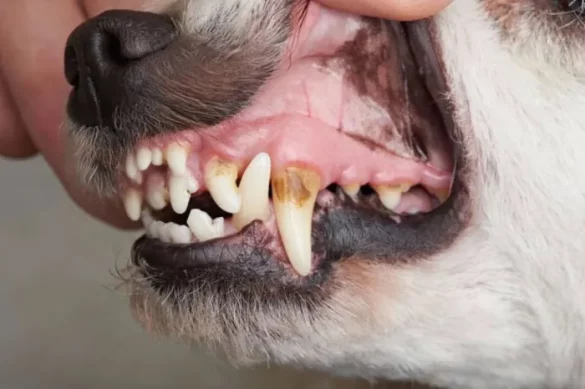
Periodontal disease is one of the most common health concerns facing dogs today. Many pet owners are unaware of the severity of this disease and its hidden effects on a dog’s well-being. It’s a silent problem that, if left untreated, can lead to pain, tooth loss, and even problems with major organs. Understanding how to get rid of periodontal disease in dogs is essential for every responsible dog owner, as early detection and proper treatment can make a significant difference in your pet’s quality of life.
What Is Periodontal Disease in Dogs?
Periodontal disease, also known as gum disease, is a condition caused by bacteria building up on the teeth and gums. When food particles and bacteria are not removed from your dog’s mouth, they form a sticky layer called plaque. If plaque is not cleaned away, it hardens into tartar (calculus) in just a few days. Over time, tartar build-up leads to inflammation of the gums, known as gingivitis. If not treated, gingivitis progresses to periodontal disease, where the infection spreads deeper into the structures supporting the teeth.
Why Is Periodontal Disease Dangerous for Dogs?
Periodontal disease affects more than just the mouth. In advanced stages, bacteria can travel through the blood to other organs, such as the heart, liver, and kidneys. This can cause serious health complications. Dogs in pain may stop eating, lose weight, or become irritable. Bad breath, bleeding gums, and loose teeth are just a few of the obvious signs. The disease is often advanced by the time owners notice these symptoms, which is why regular checks are so important.
Signs and Symptoms of Periodontal Disease in Dogs
Pay attention to your dog’s behavior and mouth. Common symptoms include:
- Bad breath (halitosis)
- Gums that are red, swollen, or bleeding
- Drooling more than usual
- Loose, missing, or discolored teeth
- Trouble eating, dropping food, or favoring one side when chewing
- Blood on toys or in water bowl
- Loss of appetite and weight loss
Dogs may also withdraw or seem less playful due to oral pain. If you see one or more of these signs, contact your veterinarian for an oral exam as soon as possible.
How Do Dogs Get Periodontal Disease?
Periodontal disease starts when bacteria build up on your dog’s teeth. If routine brushing is not performed, the bacteria turn food and saliva into plaque. Minerals in saliva then harden this plaque into tartar. Once tartar forms, it creates an environment where harmful bacteria thrive. Over time, the immune system tries to fight the infection, causing ongoing damage to the gums and tissues supporting the teeth.
The risk goes up if your dog has a poor diet, eats only soft foods, or does not chew on appropriate toys. Smaller breeds and those with crowded teeth may be especially vulnerable. Improper oral hygiene and licking dirty toys or grooming themselves excessively can also contribute to the problem.
Diagnosing Periodontal Disease in Dogs
A veterinarian will diagnose periodontal disease by conducting a full oral exam, sometimes under anesthesia. Dental radiographs (X-rays) are typically used to check for problems below the gumline, such as bone loss or deep pockets of infection.
How to Get Rid of Periodontal Disease in Dogs
Step 1: Professional Dental Cleaning
If your dog already has periodontal disease, the first step is a thorough cleaning by a veterinarian. This process involves:
- Pre-anesthesia blood tests to check organ function
- IV fluids and careful anesthesia monitoring
- Scaling (removal of tartar) above and below the gumline
- Polishing the teeth to discourage future plaque
- Flushing gingival areas to remove debris
- Dental X-rays to look for hidden issues
- Extraction of teeth that cannot be saved
- Local and general pain management
Professional cleaning is necessary because tartar underneath the gums cannot be removed at home. It must be done by a trained professional while your dog is safely asleep.
Step 2: Veterinary Treatment for Severe Cases
For advanced periodontal disease, your veterinarian may recommend further treatments. Severely affected teeth might need extraction. Sometimes, antibiotics are given to control infection. Your pet will receive pain relief before, during, and after the procedure. The goal is always to remove infection and restore comfort while saving as many teeth as possible.
Step 3: Home Care and After-Cleaning Management
After the procedure, follow your vet’s instructions to aid healing. This may include soft foods, oral rinses, or special medications. Keep a careful watch for any sign of swelling, bleeding, or reluctance to eat.
Preventing Periodontal Disease from Coming Back
While professional cleaning can remove active disease, ongoing prevention is needed to keep your dog’s mouth healthy.
Daily Brushing
The most effective way to prevent periodontal disease is to brush your dog’s teeth daily using toothbrushes and toothpaste made especially for dogs. Daily brushing disrupts plaque before it hardens into tartar.
Dental Chews and Toys
Dental chews and certain toys help reduce plaque and tartar by mechanically cleaning the teeth as your dog chews. They should not replace brushing but can supplement your routine.
Choose Dental Diets
Some specially formulated dog foods help decrease plaque build-up. Your veterinarian can recommend approved products to include in your pet’s diet.
Regular Veterinary Visits
Your dog should have an oral exam at least once per year, or more often for high-risk dogs. Professional cleanings may be needed yearly or as recommended by your veterinarian. Early intervention can reduce the cost and severity of treatment.
Watch for Signs
Stay alert for any changes in eating, behavior, or appearance of your dog’s mouth. Quick action can stop periodontal disease from progressing.
Can Periodontal Disease Be Reversed?
If caught early (at the gingivitis stage), removing plaque and improving dental care can reverse the damage and restore gum health. Once irreversible damage has occurred—such as bone loss or tooth loosening—the focus shifts to halting further progression and keeping your pet as comfortable as possible.
Why Is Professional Care Needed?
Plaque above the gumline is easy to remove at home. However, tartar and infection below the gumline require veterinary intervention. Trying to remove tartar at home may injure your dog and worsen the issue. Routine professional cleanings, combined with good home care, are the best way to protect your dog’s oral and overall health.
Conclusion
Periodontal disease is a serious but preventable condition in dogs. Getting rid of it starts with a professional dental cleaning and, if necessary, treatment for any advanced problems. Daily brushing, the use of dental chews, special foods, and regular veterinary checkups are the foundations of prevention. Always be aware of changes in your dog’s behavior or mouth and seek veterinary advice when needed. Early action can save your pet from pain, tooth loss, and more serious health problems.
Frequently Asked Questions (FAQs)
What are the first signs of periodontal disease in dogs?
The earliest signs often include bad breath, red or swollen gums, and mild bleeding after chewing. Dogs may also drop food or be reluctant to chew.
Can I treat periodontal disease at home?
While some mild gingivitis may respond to improved home care, tartar and established infection require professional cleaning by a veterinarian.
How often should I brush my dog’s teeth?
Daily brushing is best. Even a few times a week can significantly reduce disease risk, but daily cleaning is more effective.
Are certain breeds at higher risk for periodontal disease?
Yes, smaller breeds and those with crowded teeth or short noses (like pugs and yorkies) are more at risk and may need more frequent dental care.
Do dental treats really work?
Dental treats help reduce plaque but should be used in combination with brushing and checkups. They are not a substitute for daily oral care or professional cleaning.