


If you have visited your dentist and left with a “temporary filling,” you might wonder why your dentist chose this solution instead of a permanent one. Temporary fillings are widely used in modern dentistry to protect and treat teeth in a variety of situations. Understanding the role, reasons, and care instructions for temporary fillings can help you feel confident and prepared throughout your dental treatment journey.
What Is a Temporary Dental Filling?
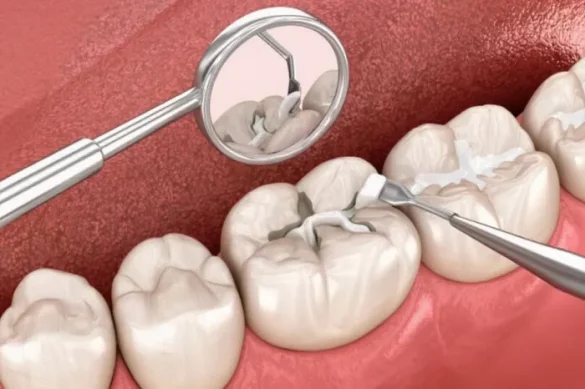
A temporary dental filling is a short-term restoration placed in a tooth to address immediate needs before a permanent solution is completed. Unlike permanent fillings, temporary fillings are designed to last only a few weeks to a couple of months. They act as a protective barrier, restoring function and comfort until further dental work can be performed.
Why Would a Dentist Use a Temporary Filling?
There are several specific reasons why your dentist might decide to place a temporary filling rather than a permanent one right away. Below are some of the most common scenarios:
1. Protecting the Tooth After Emergency Treatment
If you visit your dentist due to sudden tooth pain, trauma, or a severe cavity, a temporary filling can be used as a quick solution. It helps to relieve discomfort, stabilize the tooth, and prevent bacteria from entering the cavity until a more permanent treatment is scheduled.
2. Waiting for a Permanent Restoration
Sometimes, the dental restoration you need—such as a crown or inlay—requires a custom-made product from a dental lab. This process can take several days or even weeks. During this waiting period, your dentist may use a temporary filling or provisional cap to protect your tooth, restore basic function, and avoid further sensitivity.
3. After a Root Canal Procedure
A common step during root canal therapy is the placement of a temporary filling. After cleaning out the infected pulp and before a permanent filling or crown is placed, the temporary material prevents bacteria from re-entering the tooth and provides a protective barrier.
4. Assessing Tooth Vitality or Further Decay
In some cases, it is not immediately clear if a tooth’s nerve or gum is stable. A dentist may choose a temporary (or sedative) filling to monitor the response of the tooth over time. If pain returns or worsens, this can guide the next steps in treatment. This approach also allows dentists to wait and observe if further decay develops before committing to a permanent filling.
5. Easing Tooth Sensitivity
When a tooth is especially sensitive, a dentist may use a medicated temporary filling to calm and soothe the tooth. This gives the nerve time to recover before placing a permanent restoration.
What Materials Are Used for Temporary Fillings?
Temporary fillings are typically made from softer and more flexible materials than permanent fillings. Common materials include:
- Zinc oxide eugenol cement
- Glass ionomers
- Premixed compounds called dental cavit
- Zinc phosphate cement
These materials are chosen because they are easy for dentists to place and remove. They also provide protection and, in the case of some glass ionomers, may even help to reduce tooth sensitivity.
How Are Temporary Fillings Placed?
The process for placing a temporary filling is straightforward and usually takes less than thirty minutes. After numbing the area, your dentist removes any decayed or damaged tooth tissue. The filling material is then placed into the cleaned cavity and shaped to blend with the tooth’s natural form. Since the material is soft, it can be removed more easily when it is time for the permanent restoration.
How Long Do Temporary Fillings Last?
Temporary fillings are meant to last from a few weeks to a few months. The exact lifespan depends on your oral health, chewing habits, and the type of material used. Your dentist will provide a specific timeframe for when you should return for your permanent restoration. It is important to follow this guidance, as temporary materials are not strong enough for long-term use and can break, crack, or fall out over time.
Caring for Your Temporary Filling
Proper care of your temporary filling is essential to maintain its function and avoid complications. Here are a few tips:
- Avoid eating for a few hours immediately after placement while the filling sets.
- Do not bite or chew hard foods (like nuts, hard candy, or ice) on the side of the mouth with the temporary filling.
- Brush and floss carefully around the temporary filling to avoid dislodging it.
- Avoid using your tongue to poke or play with the filling.
- Contact your dentist if the filling cracks, becomes loose, or falls out.
Possible Side Effects and Risks
Temporary fillings are generally safe, but there are a few considerations to keep in mind. Some individuals may experience mild tooth sensitivity after placement. Rarely, allergic reactions to the materials may occur, presenting as rash, itching, or swelling near the mouth. If you develop any of these symptoms or notice increasing pain, inform your dentist right away.
Perhaps the biggest risk is forgetting to return for your permanent filling. Over time, the temporary material will break down, and the underlying tooth can become infected or damaged again. Always follow up with your dental appointments as advised.
The Differences Between Temporary and Permanent Fillings
Permanent fillings are made from robust, long-lasting materials such as composite resin, amalgam, or porcelain. They are designed to withstand years of chewing and are color-matched to blend with your natural teeth. In contrast, temporary fillings are intentionally softer and often a different color, making them easier for your dentist to identify and remove when it’s time for the final restoration.
Temporary fillings should never be viewed as a substitute for proper, permanent treatment. They are only intended to bridge the gap until your tooth can be fully treated.
When Should You Contact Your Dentist?
Contact your dentist promptly if:
- Your temporary filling falls out or feels loose
- You experience significant pain, swelling, or signs of infection
- You are unsure when to return for your permanent restoration
Professional guidance will help prevent further problems and ensure the best treatment outcomes for your smile.
Conclusion
Your dentist may put in a temporary filling for a variety of important reasons: to manage pain, protect the tooth, wait for further treatment, or allow time for healing. Temporary fillings safeguard your dental health until a more permanent and durable solution can be provided. Always follow your dentist’s instructions and return for the recommended follow-up care. By understanding the function and necessity of temporary fillings, patients can approach their dental treatment with greater peace of mind and confidence.
FAQs
What happens if I do not replace my temporary filling with a permanent one?
If not replaced, the temporary filling can break down, allowing bacteria to enter the tooth and potentially cause infection or more extensive damage.
Can I eat normally with a temporary filling?
It is best to avoid hard, sticky, or chewy foods on the side with the temporary filling and follow your dentist’s dietary recommendations.
Is it normal for a temporary filling to feel sensitive?
A small amount of sensitivity is common, but if the pain is severe or persistent, contact your dentist.
How do I know if my temporary filling has fallen out?
You may notice a hole, sharp edge, or a change in the way your tooth feels. If this happens, schedule a dental appointment as soon as possible.