


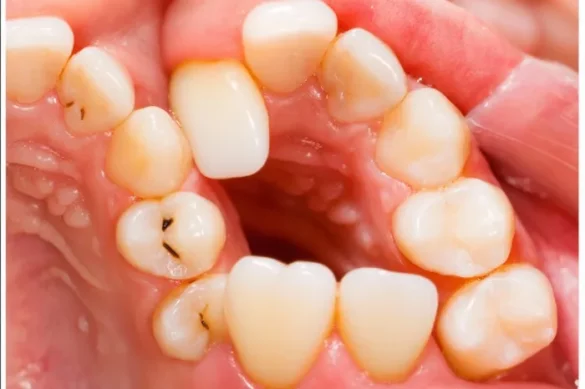
It is common to notice a new sensation in your mouth after getting a tooth filled. Many patients wonder why their new tooth filling feels rough, whether it is something to worry about, and what they should do next. Understanding the causes of this rough feeling, how long it should last, and how to care for your filled tooth is important for smooth recovery and lasting dental health.
Why Does a New Tooth Filling Feel Rough?
A new tooth filling may feel rough for several reasons. First, the filling material, whether composite resin or amalgam, might not be completely polished at the end of your procedure. Dentists use specialized polishing tools to smooth the filling surface, but tiny rough spots can remain. Sometimes, your tongue is simply hypersensitive and notices very small imperfections that were missed during polishing.
Additionally, the filling material hardens quickly, but the newly restored surface may still feel unusual to the rest of your mouth. The cheeks and tongue are often very sensitive and pick up differences in texture even if they are quite small. This roughness is commonly described as a gritty or bumpy feeling, especially when touched by the tongue.
Is Feeling Roughness After a Filling Normal?
In most cases, it is normal for a new filling to feel a bit rough or out of place. Most patients report that the new texture feels odd, gritty, or sharp in the first few days after treatment. Usually, your mouth adapts and the rough feeling goes away on its own within a week. Occasionally, light chewing and your normal brushing routine help naturally smooth out minor roughness.
However, if the roughness persists for more than a week or if you develop pain or difficulty in biting, you should reach out to your dentist. A filling should not cause discomfort or interfere with your natural bite alignment over the long term.
Common Causes of Rough Fillings
1. Polishing Incomplete
Polishing is the last step in placing a filling. If your dentist was unable to remove all tiny imperfections, your tongue may notice spots that the polishing instrument missed. This is especially common in areas that are hard to see, such as between the teeth or on back molars. While most of these rough spots are harmless, a dental professional can quickly smooth them if needed.
2. Bite Adjustment Needed
Sometimes, a new filling may slightly alter the way your teeth come together. If your bite feels off or the roughness leads to trouble chewing, your dentist can make small adjustments to improve comfort.
3. Sensitivity in Surrounding Tissues
The tissues inside your mouth are highly sensitive. Even a well-polished filling can feel uncomfortable at first simply because the tongue and cheek are adjusting to a new surface. This sensitivity decreases with time and use.
4. Material-Specific Differences
Composite and amalgam fillings can feel slightly different when freshly placed. Composite fillings, which are tooth-colored and more commonly used today, are usually smoothed thoroughly and set very hard. Amalgam fillings, which are silver colored, may take longer for your mouth to get used to if placed in large cavities.
What Should You Do if Your Filling Feels Rough?
In the hours immediately following your filling procedure, it’s best to wait until the numbness from local anesthesia wears off before eating or drinking anything. This prevents accidental biting or chewing of your cheek or tongue. Avoid very hot, cold, or hard foods as your mouth heals. You may also notice cold sensitivity, which usually goes away quickly.
Continue your regular brushing and flossing habits, being gentle around the newly treated tooth. Often, brushing naturally polishes the filling surface further, gradually reducing its roughness. Avoid chewing sticky, hard, or tough foods on the side with the new filling for the first day or two.
If the rough or gritty feeling still bothers you after about a week, make an appointment with your dentist. Most dental clinics can easily adjust or polish the filling so you are comfortable and your bite is correct.
Signs That Your Filling Needs Professional Attention
While most fillings require little follow-up, certain symptoms mean you should see your dentist sooner:
Persistent Roughness or Sharp Edges
If the filling feels rough or sharp more than seven days after the procedure, it was likely not smoothed enough or has started to wear down. A quick adjustment can resolve this.
Pain That Lasts Beyond a Few Days
Some sensitivity is normal, but ongoing pain, soreness, or pain when biting is a sign of a problem. This could mean the filling is too high, causing an uneven bite, or that there is irritation in the tooth’s nerve or gum tissue.
Cracks or Chips in Your Filling
Visual cracks, chips, or portions missing from your new filling indicate it is not intact. This could be from chewing hard foods or further decay. Immediate dental attention is needed to repair the filling and protect your tooth.
Trouble With Your Bite
If your upper and lower teeth do not fit together as they did before, or chewing feels uncomfortable, a bite adjustment is necessary. Your dentist can make sure your teeth meet properly and resolve any abnormalities.
How Long Will the Roughness Last?
For most people, the rough or gritty feeling from a new filling subsides within several days. Soft tissues in the mouth adapt quickly to new shapes. If polishing was slightly incomplete, gentle brushing and chewing alone may smooth out roughness without any special intervention. However, always contact your dentist if symptoms linger.
Daily Care and Prevention Tips for Dental Fillings
To make your new filling last as long as possible, follow good oral hygiene practices:
- Brush at least twice daily with fluoride toothpaste
- Floss daily, making sure to reach the filled tooth
- Avoid using your teeth as tools, like opening packages
- Wear a nightguard if you grind your teeth, especially if you’ve needed several fillings
- Limit sugary and acidic foods and drinks
- Drink water to rinse away food debris
- Keep up with regular dental check-ups every six months
Doing these things protects your restoration, prevents new cavities, and helps your dentist spot any problems with fillings early on.
Conclusion
Feeling roughness after a new tooth filling is normal for most patients and usually resolves within days. This sensation is often due to a hypersensitive tongue, slight imperfections left after polishing, or adjustment to a new surface. Continue with gentle dental hygiene and avoid chewing tough foods at first. If the rough feeling lasts more than a week, is accompanied by pain or biting problems, or you see visible defects, schedule a dental appointment for simple correction. Regular oral care and check-ups are the key to keeping your fillings—and your smile—smooth, healthy, and comfortable.
Frequently Asked Questions (FAQs)
Why does my tongue notice the rough feeling more than my teeth?
Your tongue is very sensitive to changes in texture. It can detect tiny imperfections more easily than your teeth. Over time, your mouth adapts and the roughness should fade.
Can I smooth the filling myself at home?
No. Do not attempt to file or smooth your own filling. This can damage your tooth or restoration. See your dentist if the rough feeling is bothersome after several days.
How soon should I call the dentist if the feeling doesn’t improve?
If the roughness persists for more than a week or you notice pain, sharp edges, or trouble biting, contact your dentist for a quick adjustment.
Is roughness a sign my filling will fail soon?
Not usually. Light roughness is common and harmless, but sharpness, pain, or visible cracks need urgent evaluation.
Will a rough filling cause cavities?
No. The filling itself will not cause cavities, but roughness could trap plaque. Maintain good brushing and flossing habits and see your dentist for regular cleanings.