


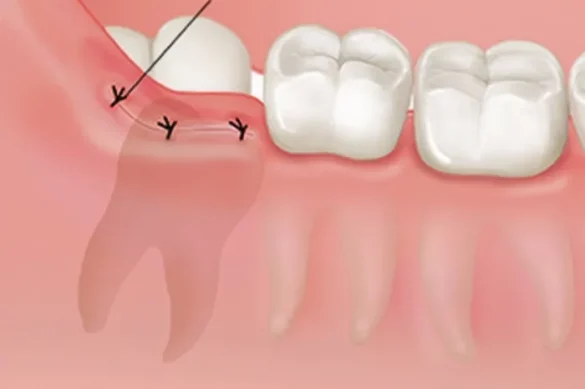
Having your wisdom teeth removed can be a major milestone in oral health, especially for teens and young adults. The use of stitches after wisdom teeth extraction is an important step that aids healing, protects the surgical site, and ensures a smooth recovery. A common concern is how long these stitches stay in the mouth and what to expect while they are in place.
Understanding Wisdom Teeth Stitches
After your wisdom teeth are removed, your dentist or oral surgeon may use stitches to help close up the extraction site. These stitches hold the tissue together, reduce bleeding, and protect the area so proper healing can take place. Not every extraction requires stitches, but they are frequently used, especially when the procedure is complex or the gums need extra support during the initial healing phase.
Types of Stitches Used in Wisdom Teeth Removal
There are two main types of stitches commonly experienced after wisdom tooth extraction:
- Dissolvable (absorbable) stitches: These are the most commonly used type in wisdom teeth removal. They are made from special materials that break down naturally in the mouth, thanks to enzymes in saliva. Patients do not need to return to the dentist just to have these stitches removed.
- Non-dissolvable (non-absorbable) stitches: Less commonly used, these stitches must be removed by a dental professional, usually about one week after the surgery. They are generally used in more complicated cases where extra security is needed.
How Long Do Stitches Stay in After Wisdom Teeth Removal?
Most patients will have dissolvable stitches placed after their wisdom teeth surgery. These stitches typically stay in your mouth for about 7 to 10 days. This timeline can shift slightly: for some, stitches may dissolve and fall out as early as five days, while for others, it may take up to two weeks. This variation is quite normal and depends on several individual factors:
- Saliva exposure: Your saliva contains enzymes that help dissolve the stitches gradually. The more exposure, the quicker the breakdown can occur.
- Personal healing speed: Everyone’s body heals at a different pace. Some people experience faster tissue regeneration, allowing the stitches to break down sooner, while others may heal a bit more slowly.
- Suture material: There are different kinds of dissolvable materials. Your oral surgeon will pick one based on your procedure, health status, and risk factors.
For patients with non-dissolvable stitches, they are usually removed in the dental office 7–10 days after surgery by your provider.
What Does Normal Healing Look Like?
After surgery, you will notice your stitches are in place, and you might experience some mild swelling, discomfort, and a small amount of bleeding. Gradually, you should see:
- Decreasing swelling in gums and cheeks
- Tenderness and discomfort fading within a few days
- Stitches becoming less visible, loosening, and eventually disintegrating or falling out on their own
Signs of Proper Stitch Dissolution
Here’s what to look for to ensure your recovery is on track:
- The stitches will gradually break down, become loose, and tiny pieces may come out during eating or rinsing
- The surgical area should look less red and less swollen as days pass
- Bleeding from the site should stop within the first few hours after surgery
If your healing matches this description, you are likely recovering well.
When Should You Contact Your Dentist?
While dissolvable stitches are designed to fall out naturally, sometimes issues arise. Contact your dentist if you notice:
- Stitches come out much earlier than 5 days post-surgery
- Excessive pain, swelling, or bleeding (beyond the initial 24–48 hours)
- A foul smell, pus, or persistent bad taste (these are signs of potential infection)
- You suspect dry socket (throbbing pain, especially if the blood clot at the surgery site is lost)
Tips for Taking Care of Wisdom Teeth Stitches
Taking care of your stitches and extraction site can greatly affect your healing and comfort:
- Do not touch, pick, or pull at your stitches. Let them dissolve naturally without interference.
- Maintain oral hygiene. Follow your dentist’s instructions, usually rinsing gently with warm salt water (about one teaspoon of salt in a glass of water) is recommended several times a day starting 24 hours after surgery.
- Avoid vigorous swishing, spitting, or using a straw. These actions can dislodge the blood clot and stitches, increasing your risk of a dry socket.
- Eat soft foods such as yogurt, pudding, applesauce, soups, and mashed potatoes for the first few days. Avoid crunchy, spicy, or seedy foods that could irritate your gums or get trapped in stitches.
- Rest and avoid strenuous activity. Allowing your body to focus on healing is key in the first few days after oral surgery.
Common Concerns and Misconceptions
Some people worry if their stitches seem to stay longer than 10 days. In most cases, this is not a problem. Occasionally, a dissolvable stitch may remain for up to two weeks. If a stitch is still present after two weeks, reach out to your dentist for reassurance or removal. Absorbable stitches are designed to be safe even if they dissolve slowly.
There is also a misconception that stitches completely prevent dry socket, but this is not true. Stitches help protect the site, but it is still possible to develop a dry socket if the blood clot is lost by strong rinsing, using a straw, or smoking.
The Wisdom Teeth Recovery Timeline
To help visualize the healing process, here’s a typical schedule of what to expect after having your wisdom teeth removed:
- Day of Surgery: Gauze is used to control bleeding, and swelling begins. Eat only liquids and soft foods.
- Days 1–2: Swelling generally peaks, and discomfort is common. Continue using ice packs and take any prescribed medications. Begin gentle saltwater rinses if instructed.
- Days 3–5: Swelling and pain begin to subside. Stitches may start to loosen as healing progresses.
- Days 6–7: Most dissolvable stitches begin to dissolve or break away. Oral hygiene remains crucial.
- End of Week 2: Stitches should be gone for most people, with the site well into the healing phase. Slowly reintroduce firmer foods.
Conclusion
Stitches are an important part of recovery after wisdom teeth removal. Most dissolvable stitches will dissolve on their own within 7–10 days, though it is normal for some to last slightly longer. Proper care, gentle oral hygiene, and attention to aftercare instructions reduce your risk for complications. Always reach out to your dental provider if you have questions or concerns about your stitches or healing process.
Frequently Asked Questions
How long do dissolvable stitches last after wisdom teeth removal?
For most people, dissolvable stitches last 7–10 days. Some may dissolve as quickly as 5 days, while others could remain for up to two weeks.
Do non-dissolvable stitches hurt when removed?
Removal of non-dissolvable stitches is usually a quick, nearly painless process at your dentist’s office.
Is it normal for one or two stitches to come out before the others?
Yes. Stitches dissolve at different rates due to saliva exposure and movement in the mouth. Unless you notice increased bleeding or discomfort, this is not typically a problem.
What if I accidentally pull out a stitch?
Try not to touch or disturb the area. If you notice bleeding, increased pain, or if you are worried, contact your dental provider for advice.
What can I do to prevent infection while stitches are in place?
Maintain gentle oral hygiene, rinse with warm salt water, follow aftercare directions, and avoid foods that could irritate the surgical site.