


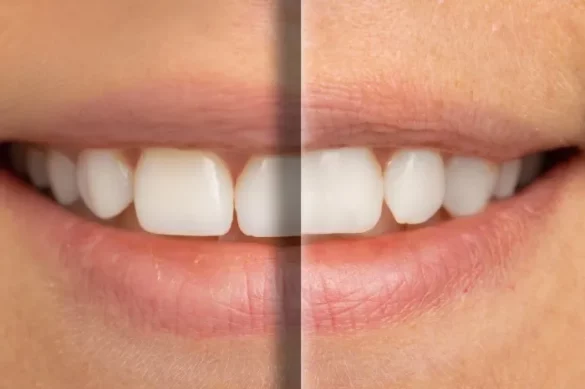
Yellow teeth are a common concern for many people seeking a brighter, more confident smile. The process of removing yellow discoloration and restoring whiteness can vary considerably depending on the whitening method, the severity of stains, and personal oral health habits. Understanding these variables is essential for setting realistic expectations and selecting the best approach for your needs.
What Causes Yellow Teeth?
Yellowing of teeth occurs due to multiple factors. Some of the primary contributors include dietary choices, lifestyle habits, medication side effects, and aging. There are two main types of stains:
Extrinsic Stains
Extrinsic stains affect the enamel, or the outermost layer of the tooth. These stains often stem from daily habits such as drinking coffee, tea, red wine, and sodas, or using tobacco products. The discoloration is usually at the surface level and can often be addressed more easily.
Intrinsic Stains
Intrinsic stains originate from within the tooth. They can be caused by certain medications (like antihistamines or hypertension drugs), trauma to the teeth, excessive fluoride, or dental conditions. These stains are typically harder to treat and may take more time to remove.
Age-Related Yellowing
As people age, the enamel on their teeth wears down, revealing the naturally yellowish dentin underneath. This process can result in a gradual yellow or gray appearance and may require more advanced whitening treatments.
How Long Does It Take to Remove Yellow Teeth?
The timeline for teeth whitening depends on several factors:
- The severity and depth of the stains
- The cause and type of discoloration
- The chosen whitening method
- Consistency with oral hygiene and treatment
Let’s explore some common options and their typical timeframes:
Professional Teeth Whitening: Fastest Results
Professional teeth whitening is performed in a dental office by a cosmetic dentist. It offers the fastest and most dramatic results, especially for stubborn or intrinsic stains. The procedure involves applying high-concentration bleaching agents that penetrate deep into the enamel.
In-Office Whitening Procedures
- Duration of treatment: Usually around 1 to 2 hours
- Time to see results: Immediate, often after just one session
- Number of sessions needed: Sometimes one session is enough; severe discoloration may require a few visits
- Longevity: Results can last several months when paired with proper maintenance
Some cosmetic dental offices also provide custom trays and bleaching gels for continued at-home treatment. This helps to maintain the results and ensure long-lasting whiteness.
Dentist-Supplied At-Home Whitening Kits
Dental professionals may offer at-home whitening kits with custom-fitted trays and dentist-formulated bleaching gels. These contain lower concentrations compared to in-office treatments but are more effective than over-the-counter products.
Typical Process
- Duration of use: Daily application for 30 minutes to 1 hour
- Total treatment period: 1 to 2 weeks for visible results
- Maximum duration: Up to 6–8 weeks for deep stains or lasting whiteness
This approach allows users to control the pacing and monitor their own progress, with significant improvement usually evident in the first week.
Over-the-Counter Teeth Whitening Products
Whitening Toothpaste
Over-the-counter whitening toothpaste works mainly on extrinsic stains by helping to remove surface discoloration with abrasive and chemical agents.
- Time to see results: 2 to 6 weeks of twice-daily use
- Effectiveness: Best for mild yellowing; results are usually less dramatic than professional treatments
Whitening Strips
Popular for home use, these thin strips contain bleaching agents and are placed directly on the teeth.
- Duration of code: Typically worn for 30 minutes daily
- Timeframe for results: 1 to 2 weeks for noticeable improvement
- Max duration: Results may last up to 6 months with regular use
Whitening Mouthwash
Some mouthwashes contain mild whitening agents designed to gradually lighten teeth.
- Time to see results: Approximately 3 months of consistent use
Natural Remedies: Slowest and Least Effective
Common home remedies include brushing with baking soda or using activated charcoal. While these methods are inexpensive and accessible, they generally take several weeks or even months to show slight changes and are significantly less effective than commercial products or professional treatments.
Factors Impacting Whitening Speed and Success
- Type of stain: Intrinsic stains are generally harder to remove and may not respond well to basic at-home products
- Oral hygiene: Consistent brushing and flossing help maintain results and prevent new stains
- Dietary habits: Foods and drinks high in chromogens (like coffee and wine) increase yellowing. Crunchy raw fruits and vegetables may help reduce plaque
- Lifestyle choices: Smoking or using tobacco products accelerates yellowing and undermines whitening efforts
Maintenance after Whitening
Whitening treatments, whether professional or at-home, require ongoing care for lasting results. Important steps include:
- Brushing twice a day with whitening toothpaste
- Flossing daily
- Rinsing after consuming stain-causing foods or drinks
- Scheduling regular dental checkups
- Using custom trays or touch-up products as advised by your dentist
When to Expect Visible Changes
For mild yellowing and extrinsic stains, most people will begin to see changes within:
- Professional whitening: After one session (1–2 hours)
- Dentist-supplied kits: 1 week to 2 weeks
- Whitening toothpaste/strips: 2 weeks to 6 weeks
- Mouthwash: Around 3 months
- Natural remedies: Several weeks or months
For more severe or intrinsic stains, complete removal and whitening may take longer, possibly requiring multiple professional treatments or extended use of dentist-provided trays and gels.
Conclusion
The time required to remove yellow teeth depends on the underlying cause and depth of the stains, as well as your chosen whitening method. Professional teeth whitening offers the fastest and most marked improvement, often visible within hours. Dentist-supplied kits and over-the-counter products take longer but can still produce significant results with consistent application and good oral care. Prevention and maintenance through healthy habits and regular dental visits are key to sustaining a bright, white smile. If you have deep or persistent discoloration, consult with your dentist to determine the most effective whitening approach for your needs.
Frequently Asked Questions
How long does professional whitening take?
Professional whitening usually takes about 1–2 hours per session, with results visible immediately.
Is at-home whitening as effective as dental office treatment?
At-home kits can be effective for mild stains, but they are slower and less potent than professional treatments for deep discoloration.
Will whitening toothpaste remove all yellow stains?
Whitening toothpaste works best on surface stains and may take 2–6 weeks to show results. It is less effective for deep or intrinsic stains.
How can I keep my teeth white after whitening?
Maintain good oral hygiene, avoid stain-causing foods and drinks, and use touch-up whitening products as recommended by your dentist.
Are natural remedies safe and effective for teeth whitening?
Natural remedies are usually safe when used properly but are much slower and less effective than commercial whitening products or professional treatments.