


When it comes to keeping your teeth healthy and managing tooth pain, dentists sometimes recommend easy-to-remember routines. One such approach is the “3-3-3 rule,” which has two important uses in pediatric dentistry and general oral health: caring for toothaches and brushing teeth. Whether your child is suffering from a sudden ache, or you are looking to build the best hygiene habits, knowing both uses of this rule will guide healthier decisions and can help prevent more serious dental issues.
What Is the 3-3-3 Rule for Toothache?
The 3-3-3 rule for toothaches is a short-term method that offers relief until professional care is available. Pediatric dentists often share this advice with parents whose children experience dental pain at home or outside office hours. Toothache can be troubling for both children and adults. It disrupts daily life and sleep, and may signal underlying decay, infection, or injury. The 3-3-3 rule gives families a safe framework to manage symptoms, but should never replace the importance of seeing a dentist promptly.
Breaking Down the Toothache Rule
The 3-3-3 toothache guideline centers around ibuprofen, a common over-the-counter anti-inflammatory medicine. The rule works as follows:
- Take 3 tablets of 200mg ibuprofen. This adds up to 600mg per dose. Check with your doctor or dentist before using this dosage, especially for children.
- Repeat this dose 3 times per day. Space each dose evenly to maintain constant relief across daytime hours. Never exceed the recommended amount or duration unless directed by a health professional.
- Continue this approach for no more than 3 days. By the end of this period, if pain persists or worsens, seek dental care immediately.
Ibuprofen reduces inflammation around the affected tooth, which is often the main cause of pain. It is important to always use the lowest effective dose for the shortest time, and never use this method for small children without advice from your dentist or pediatrician. For children, dosing may be different, and professional guidance is crucial.
Why It Is Temporary Relief
The 3-3-3 rule is not a cure, but a way to manage acute pain and swelling until you reach a dentist. Persistent toothaches can indicate cavities, abscesses, cracked teeth, or gum infections. Delaying professional treatment can lead to severe complications. Using painkillers for longer than recommended increases the risk of side effects, such as stomach upset or other health problems. Pediatrics require safe, age-adjusted dosages and monitoring for hidden issues.
What Is the 3-3-3 Rule for Brushing Teeth?
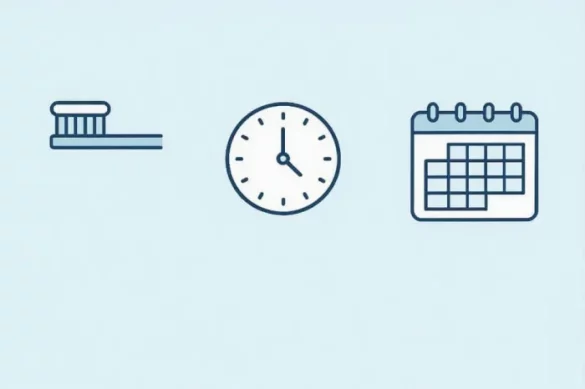
The 3-3-3 rule is also used as a simple hygiene goal, supporting healthier teeth and gums. Many dental professionals, especially in pediatric dentistry, encourage children and parents to follow this easy-to-remember rule for routine oral care:
The Hygiene Guideline Explained
- Brush your teeth 3 times each day. Ideal times include after breakfast, after lunch, and before bed.
- Brush for 3 minutes per session. Divide your mouth into four parts and focus on each quadrant for about 45 seconds, ensuring each area and your tongue are cleaned well.
- Replace your toothbrush every 3 months. Worn bristles are less effective and may irritate gums. Swap for a new brush sooner if it becomes frayed or after illness.
This upgraded routine goes beyond the standard advice of brushing twice daily for two minutes. Brushing more often and for longer can be especially helpful for children with braces, higher cavity risk, or gum inflammation. It ensures better plaque removal and reduces the chance of tooth decay and gingivitis.
Brushing Techniques for Children
Use a soft-bristled brush or an ADA-approved electric brush. Hold the brush at a 45-degree angle to the gumline and use gentle, short strokes. Teach children to clean the chewing and inner surfaces as well as the tongue. For children under 6, supervise and make brushing fun with music or timers. Use a small, age-appropriate amount of fluoride toothpaste—a smear for tots, a pea-sized dollop for older children. After brushing, spit out excess foam but avoid rinsing right away, as leaving fluoride on teeth helps protect against cavities.
The Importance of Replacing Toothbrushes
Toothbrushes wear out quickly, especially with regular and enthusiastic brushing. Old brushes harbor bacteria and become less effective at cleaning. Mark your calendar or set a reminder for every 3 months, and always replace after your child’s illness or if you notice bristle damage. For electric brushes, change the head on the same schedule.
Benefits of the 3-3-3 Rule in Pediatric Dentistry
Both uses of the 3-3-3 rule offer clear benefits for children, parents, and patients of all ages. For toothache, it provides structured pain management while waiting for dental care—reducing panic and helping families respond safely after hours. For brushing, it helps establish a thorough routine that combats plaque, dental decay, and early gum disease. Pediatric dentists use this rule in clinics and schools for its simplicity and effectiveness.
Extra Preventive Steps to Build on the Rule
- Floss or use water flossers daily to clean the spaces between teeth
- Choose fluoride toothpastes to strengthen enamel
- Supervise young children to ensure full brushing time and correct technique
- Visit your dentist for professional cleaning and check-ups twice a year
- Maintain a balanced diet low in sugar to support oral health
When to Consult a Dentist
Neither version of the 3-3-3 rule is a substitute for professional dental care. If your child’s tooth pain does not improve after the first or second day, or if you see swelling, fever, or facial changes, seek an urgent appointment. For brushing, if you see bleeding that does not resolve, ongoing sensitivity, or rapid cavity formation, talk to your dentist about specialized care and potential changes in technique.
Common Mistakes to Avoid
- Do not give adult doses of painkillers to young children without medical advice
- Do not brush too soon after eating acidic foods—wait 20–30 minutes
- Do not brush too hard, which can injure gums and wear down enamel
- Do not neglect to clean between teeth and along the gum line
- Do not skip regular professional dental visits
Conclusion
The 3-3-3 rule for teeth is a practical and versatile approach, serving both as a tool for temporary toothache relief and an elevated routine for optimal brushing. Pediatric dentists recommend these steps because they are simple for families to remember and apply, while maintaining flexibility for individual needs. Good oral health in children relies on consistent routines, safe practices, and prompt professional guidance. Parents and caregivers play a vital role in supervising hygiene habits and responding to dental discomfort. By understanding and applying both sides of the 3-3-3 rule, families can foster healthier smiles and minimize dental emergencies.
Frequently Asked Questions
What does each ‘3’ stand for in the toothache rule?
The first ‘3’ refers to three 200mg doses of ibuprofen, the second to three times per day, and the third to a duration of three days only.
Is the 3-3-3 toothache rule safe for children?
Always consult a pediatric dentist or doctor before using any medication for children, as dosages vary by age and health.
Can I use the 3-3-3 brushing rule if my child has braces?
Yes, brushing 3 times a day for 3 minutes and changing brushes every 3 months is especially helpful for kids with braces, but use tools designed for orthodontic care.
What happens if I brush less often than 3 times a day?
Twice daily is the minimum recommended, but the 3-3-3 rule may lead to better prevention for kids at high risk of cavities or gum disease.
Why should toothbrushes be replaced every three months?
Brushes wear out, lose cleaning ability, and can harbor bacteria. Regular replacement ensures effective cleaning and healthier gums.