


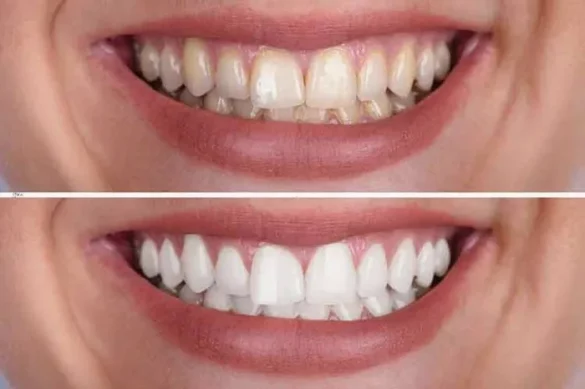
Yellow teeth are a very common concern for people of all ages. Many individuals notice their teeth are not as bright as they once were, even if they brush and floss regularly. Tooth discoloration can impact self-confidence and make you feel hesitant to smile. Fortunately, there are several effective ways to address yellow teeth, prevent new stains, and achieve a whiter smile.
Understanding Why Teeth Become Yellow
Teeth may turn yellow due to several factors. The enamel, which is the hard, outer layer of the tooth, is naturally white. Underneath this enamel lies the dentin, a softer, yellowish tissue. Factors that thin or wear down enamel can expose more of the dentin, making your teeth look yellower.
Some of the most common causes of yellow teeth include:
Dietary Habits
Many foods and drinks can stain teeth over time. Drinks like coffee, tea, soda, and red wine contain acids and strong pigments that can bond to enamel. Similarly, berries, soy sauce, and other deeply colored foods can contribute to staining.
Tobacco Use
Smoking or chewing tobacco very often leads to stubborn tooth stains. These stains go beyond the surface and are difficult to remove with brushing alone.
Aging and Genetic Factors
As you get older, enamel naturally wears down, making teeth appear more yellow. Genetics also play a role in the natural color and thickness of your enamel. Some people are more likely to have yellowish teeth simply due to their DNA.
Certain Medications
Some antibiotics and other medications can change tooth color, especially if taken during childhood while teeth are developing.
Poor Oral Hygiene
Not brushing and flossing regularly allows plaque to build up. This sticky substance can trap stains, making teeth look dull and yellow.
Simple Steps to Prevent and Reduce Yellow Teeth
Addressing yellow teeth usually involves a mix of daily habits and effective treatments. Here are the most important steps:
1. Practicing Good Oral Hygiene
Brush your teeth at least twice a day for two minutes each time. Use a fluoride toothpaste, which helps protect and strengthen enamel. Do not forget to floss between your teeth every day. Using mouthwash can also reduce bacteria and freshen your breath. Regular dental check-ups (at least twice a year) are essential to remove deeply embedded tartar and plaque, which cannot always be cleaned at home.
2. Limit Stain-Causing Foods and Drinks
Try to reduce how often you consume coffee, tea, soda, wine, and deeply colored foods. These items cause new stains and strengthen old ones. If you do enjoy these foods or drinks, rinse your mouth with water afterwards. Wait at least 60 minutes before brushing to avoid damaging softened enamel.
3. Use Whitening Toothpaste and Mouthwash
Many whitening toothpastes contain gentle abrasives and whitening agents that help remove surface stains over time. Whitening mouthwashes may also brighten teeth, but their effects are modest. Regular use can maintain a whiter appearance, but do not expect dramatic changes from these alone.
Professional and At-Home Whitening Options
If you want more visible and lasting results, consider whitening treatments. There are two main categories: professional dental whitening and over-the-counter products.
Professional Whitening Treatments
In-office whitening conducted by your dentist is the fastest and most powerful method. After one or several sessions, teeth may become several shades whiter. These treatments use high-concentration peroxide gels, sometimes combined with LED lights or laser activation. They are safe when performed under professional supervision and can last quite long with good care.
Dentists may also recommend custom take-home bleaching trays. These trays fit your teeth perfectly and are filled with a whitening gel. Typically, you wear the trays for a set number of hours each night for about two weeks. Results are usually very good and appear gradually.
Over-the-Counter Whitening Products
If professional treatments are out of your budget, many over-the-counter options can help. These include whitening strips, gels, pens, toothpaste, and LED devices. They contain lower amounts of bleaching agents, so results are less dramatic, but consistent use can still produce noticeable improvement.
Always follow package instructions closely. Overuse of these products can irritate gums or damage enamel. If you have sensitive teeth or existing dental work, consult your dentist before starting any whitening product.
Enamel Protection and Strengthening
To avoid further yellowing and protect your teeth, it is important to keep your enamel strong. Enamel does not grow back once lost.
- Use toothpaste with fluoride. Fluoride helps enamel resist the acids that cause stains and decay.
- Eat foods high in calcium, such as dairy products, broccoli, and almonds. Calcium helps reinforce the surface of your teeth.
- Avoid overly acidic foods and drinks, which erode enamel. Lemon juice, soft drinks, and vinegar-rich foods are common examples.
If you are prone to dry mouth, drink water frequently. Dry mouth reduces cleansing saliva, which can make teeth more vulnerable to stains.
The Truth About Home Remedies for Yellow Teeth
You might see many home remedies online, such as baking soda, activated charcoal, strawberries, turmeric, or orange peels. However, there is no scientific proof that these natural hacks work long-term. In many cases, they can harm your teeth. For example, acidic fruits can wear away enamel, making teeth even more yellow and sensitive. Charcoal and similar gritty substances may scratch enamel.
The best approach is to stick with methods backed by science—good daily hygiene, dental check-ups, and approved whitening options. If you are interested in whitening, ask your dentist for personalized advice.
When to See a Dentist
Sometimes, yellow teeth remain stubborn even after you improve your oral hygiene. In these cases, deep or intrinsic stains may be involved. Your dentist can investigate the cause. They may suggest advanced whitening, veneers, or other solutions to help you get the results you want.
Dentists can also check if yellowing is due to thinning enamel or an underlying problem. Professional care will bring the safest and best results for your smile.
Conclusion
Getting rid of yellow teeth is possible, but it requires a mix of good habits, the right products, and sometimes professional treatments. Prioritize brushing, flossing, smart food choices, and regular dental care as your first defense. Whitening products can then help you safely brighten your teeth. Be cautious about trying unproven home remedies, and consult your dentist for options tailored to your needs. By following these steps, you can enjoy a healthier and brighter smile every day.
Frequently Asked Questions
What is the most effective way to get rid of yellow teeth?
The most effective way is professional dental whitening. Over-the-counter products also offer mild results but are less powerful than treatments performed by a dentist.
Can whitening toothpaste remove deep stains?
Whitening toothpaste removes surface stains only. Deep or intrinsic stains often need professional cleaning or bleaching treatments.
Is it safe to whiten teeth at home?
Many at-home products are safe if used as directed. For best results and safety, discuss options with your dentist before starting any whitening treatment.
How can I prevent my teeth from turning yellow again?
Maintain good oral hygiene, avoid stain-causing foods, use fluoride toothpaste, and visit your dentist regularly. These habits protect your enamel and keep your teeth whiter for longer.