


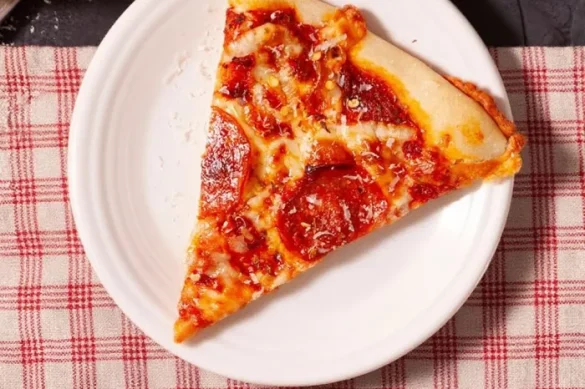
Getting braces marks a significant milestone in your journey toward better dental health and a beautiful smile. For many, adjusting to orthodontic treatment can be challenging, especially when it comes to eating favorite foods like pizza. In the first week after getting braces, it is normal to feel discomfort, and new dietary requirements can make mealtime more complicated. Patients may wonder if eating pizza is safe, and if so, which types and methods are best. This article explores whether you can eat pizza with braces in the first week, what precautions to take, and how to enjoy this classic food safely.
Understanding Braces and Dietary Restrictions
Braces work by gradually moving your teeth into their desired positions. This process can make your teeth and gums sensitive, especially during the early stages. Orthodontists recommend modifying your diet to minimize discomfort and prevent damage to the brackets and wires. Hard, sticky, or chewy foods should be avoided in the first week after getting braces, as these can cause pain and even damage the appliance. Soft foods are encouraged to reduce stress on your teeth and help you adapt to your new braces.
The Texture Challenge: Pizza in the First Week
Pizza is a favorite treat for many, but its typical texture varies widely. The crust, in particular, can be hard, chewy, or crunchy, which presents a challenge to someone who has just gotten braces. Biting into a hard crust can cause discomfort and risks bending or breaking the wires and brackets. Even softer pizzas can be difficult if your teeth are sore. Most orthodontists advise waiting several days before attempting foods that require significant chewing effort.
Selecting Braces-Friendly Pizza
If you are determined to enjoy pizza during your first week with braces, consider the following tips:
- Choose soft pizza: Select varieties with a softer crust, such as pan-style or deep-dish pizzas from restaurants known for their soft dough, like Pizza Hut or Little Caesars.
- Avoid crunchy toppings and crust edges: Do not eat the crispy outer edges or any pizza with baked-on hard toppings, as these are most damaging to braces.
- Opt for simple toppings: Cheesy pizzas without tough meats (like pepperoni or sausage) or hard vegetables are easier to chew and less likely to irritate sore teeth.
Preparing Pizza for Easy Chewing
The way you prepare pizza can make a big difference in your experience with braces. Follow these steps to minimize discomfort and prevent issues:
- Cut pizza into small, bite-sized pieces: Use a knife and fork to avoid pulling at the slice with your teeth.
- Chew slowly and gently: Try to chew with your back teeth rather than the front, as these are less sensitive and experience less pressure from orthodontic adjustments.
- Let pizza cool slightly: Warm pizza is softer, but make sure it is not too hot; a softer texture can be gentler on tender gums.
Managing Soreness and Sensitivity
Most patients report heightened sensitivity within the first week of braces. If your mouth feels especially sore, it may be best to avoid pizza altogether until you feel ready. Foods like yogurt, mashed potatoes, soup, and eggs are excellent alternatives while your gums heal. As soreness decreases, gradually reintroduce foods like pizza, starting with the most gentle options.
Orthodontic Risks: What Could Go Wrong?
Eating the wrong type of pizza or biting too hard can cause several orthodontic issues:
- Bent wires: Hard crusts or aggressive biting can bend the archwires, leading to discomfort and possibly slowing your treatment.
- Broken brackets: Chewy or crunchy pizza can dislodge brackets from your teeth, requiring an extra trip to your orthodontist for repair.
- Food stuck in braces: Pizza toppings and dough can get stuck in brackets and wires, increasing the risk of plaque buildup and cavities.
Always follow your orthodontist’s specific advice, as they may have particular recommendations based on your treatment plan.
Oral Hygiene After Eating Pizza
Braces trap food particles easily, making oral hygiene vital after eating. After enjoying pizza, gently brush your teeth and use an orthodontic-friendly floss or water flosser to clean around wires and brackets. Checking for food debris reduces the risk of dental decay and keeps your braces effective. Rinsing with water helps lubricate the mouth and removes soft crumbs.
What Foods Are Safer in the First Week?
While pizza can be enjoyed with modifications, you may prefer to stick to softer foods during the initial adjustment period. Recommended foods include:
- Soft breads
- Scrambled eggs
- Smooth soups
- Mashed potatoes
- Yogurt
- Soft fruits like bananas
Gradually, as your soreness resolves, you can start enjoying foods like soft pizza prepared with care.
Communicating with Your Orthodontist
Whenever you are unsure about what to eat or have concerns about discomfort, talk to your orthodontist. They can provide personalized recommendations based on your progress and mouth sensitivity. Every patient’s experience is unique, and some may be ready for pizza after a few days, while others may need more time.
Psychological Effects and Social Eating
Getting braces can make some patients self-conscious about their eating habits, especially in social situations. Eating pizza with friends during your first week might feel daunting. Remember, it’s okay to take small bites, use utensils, and avoid the most challenging parts of the pizza. Most people are supportive and understanding if you explain why you need to be careful with your food choices after getting braces.
Is Eating Pizza Worth the Risk in Your First Week?
For most patients, enjoying pizza in the first week after getting braces is possible but requires caution and adjustments. Prioritizing your comfort and orthodontic health over cravings will help ensure successful treatment and fewer repairs. By choosing the most suitable pizza types, cutting your food, and practicing excellent oral hygiene, you can satisfy your pizza craving safely.
Conclusion
Eating pizza with braces in your first week is not impossible, but it comes with risks and requires thoughtful preparation. The safest approach is to wait until initial soreness passes and choose softer, more manageable pizza styles. Always cut your pizza into small pieces, chew slowly, and avoid hard crusts and chewy toppings. Maintain rigorous oral hygiene to prevent dental issues and consult your orthodontist for advice tailored to your treatment. With patience, you will soon be able to enjoy more foods—including pizza—without compromising your orthodontic progress.
FAQs
What type of pizza is safest to eat with new braces?
Soft, pan-style, or deep-dish pizzas without hard crusts or tough toppings are best.
How do I prevent pain when eating pizza with braces?
Cut pizza into small bites, eat slowly, and stick to soft varieties. Wait a few days if soreness is severe.
Do I need to floss after eating pizza with braces?
Yes, flossing or using a water flosser removes trapped food and keeps teeth healthy.
When can I resume eating all types of pizza?
As your mouth adjusts and sensitivity decreases (usually after a few weeks), you can begin reintroducing more types of pizza, always being careful with hard crusts.