


Dental implants have become a popular and long-lasting solution for replacing missing teeth. However, successful healing and longevity of implants require careful attention to oral hygiene, especially in the days and weeks following surgery. One common concern for patients is whether they can brush their teeth after dental implant placement and, if so, how to do it safely. This article will provide comprehensive guidance on brushing your teeth after receiving a dental implant, featuring expert advice and evidence-based recommendations.
Understanding Dental Implant Surgery and Initial Healing
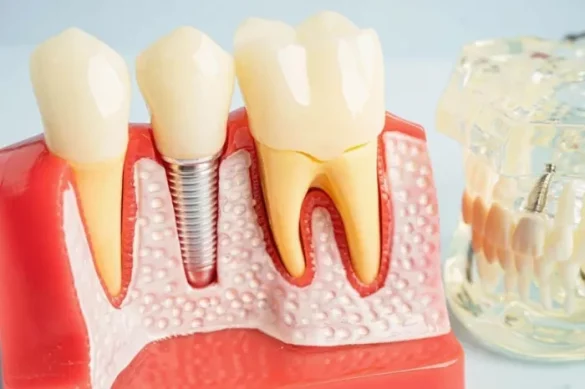
Dental implant surgery is a minor procedure in which a titanium post is placed into the jawbone to serve as the root for a replacement tooth. After the implant is placed, the gums are typically closed with stitches to promote healing. For most people, the first days after surgery bring some soreness and swelling, which are natural parts of the recovery process. The body’s healing mechanisms will help form a blood clot and start tissue regeneration around the operation site.
Is It Safe to Brush After Dental Implant Surgery?
Maintaining oral hygiene is critical for preventing infection and ensuring the implant heals correctly. However, the timing and method of brushing are essential. Many dental professionals recommend not brushing your teeth on the first day after implant surgery. The initial 24 hours are important for clot formation and tissue stabilization, and brushing during this phase could disturb the surgically treated area, increase bleeding, or cause discomfort.
When to Start Brushing Your Teeth
After the first 24 hours, you can usually resume gentle brushing. It is important to use a soft-bristled toothbrush and avoid brushing directly over the surgical site for several days. Focus on cleaning the other teeth and gently brushing the area around the implant without applying excessive pressure. Over the following weeks, as the sensitivity and swelling decrease, you can gradually return to your normal brushing pattern, always being cautious not to traumatize the healing tissue.
How to Brush Your Teeth After Dental Implant Surgery
First 24 Hours
- Avoid Brushing: Do not brush or floss your teeth in the first 24 hours. This helps protect the surgical site, reduces the risk of bleeding, and minimizes discomfort.
- No Rinsing: Do not use mouthwashes or rinse your mouth vigorously during this time.
- Dietary Care: Stick to soft foods and avoid very hot, cold, or spicy items.
Days 2 to 7
- Gentle Cleaning: Begin brushing your teeth, but use a soft-bristled or specialized post-surgical toothbrush.
- Avoid Surgical Site: Do not brush directly over the implant area. Clean the rest of your teeth as usual.
- Saltwater Rinse: After the first day, rinse your mouth gently with warm salt water several times a day to keep the area clean and promote healing. Mix one teaspoon of salt with one cup of lukewarm water for the rinse.
- Oral Irrigators: For hard-to-reach areas, consider using a water flosser at a low setting—but avoid aiming it directly at the surgical site.
After the First Week
- Monitor Healing: If tenderness or swelling remains, continue to avoid brushing the direct area of the implant.
- Gradual Return: Assuming the site is no longer tender, you may carefully start brushing over the implant, but always use a gentle motion and soft brush.
- Professional Advice: If unsure, ask your dentist when you can begin brushing the area as normal, as healing times can vary.
Importance of Good Oral Hygiene
Proper oral hygiene helps prevent infection and supports the integration of the implant with the jawbone. Plaque buildup, if left untreated, can lead to peri-implantitis, an infection around the implant that can threaten its stability. Consistent, careful cleaning is key to the success of dental implants.
Additional Tips for Oral Care After Implants
Use Antibacterial Rinses
Your dentist may prescribe a special antibacterial mouth rinse after implant surgery. When directed, use this rinse as instructed, but do not use standard mouthwash or hydrogen peroxide rinses for the first two weeks, as these may irritate healing tissues.
Stay Hydrated
Drink plenty of water during the recovery period. This not only helps with overall healing, but also keeps the mouth free from debris and bacteria.
Avoid Tobacco Use
Tobacco products can significantly hinder healing by reducing blood supply to the gums and increasing the risk of infection. Avoid smoking or using any tobacco products following dental implant surgery.
Maintain a Soft Diet
Eat soft foods for several days after the operation. Avoid biting directly into hard or crunchy foods with the implant area, which could disrupt healing and cause discomfort.
Attend All Follow-Up Appointments
Your dental team will want to monitor healing and ensure the implant is integrating properly. Attend all scheduled check-ups and raise any concerns about discomfort, swelling, or bleeding.
What to Avoid During Recovery
- Do not use a toothbrush with hard bristles on the implant site.
- Do not rinse vigorously or use mouthwash that contains alcohol during the initial weeks.
- Avoid hot foods and drinks for at least the first day after surgery.
- Do not touch or poke the surgical site with your tongue, fingers, or any objects.
- Refrain from strenuous physical activities for a few days.
Signs That Require Prompt Attention
While some discomfort, swelling, and minor bleeding are normal after dental implant surgery, you should contact your dentist immediately if you experience any of the following:
- Persistent or heavy bleeding beyond the first couple of days
- Increased swelling, redness, or pain that worsens after several days
- Pus, bad taste, or foul odor from the surgical site
- Fever above 101.5°F (38.6°C)
- Loose feeling in the implant or surrounding teeth
Conclusion
Brushing your teeth after dental implant surgery is important but must be done carefully and at the right time. For the first 24 hours, avoid brushing entirely. Afterward, use a soft brush and gentle technique, and avoid the surgical site until it feels comfortable and your dental professional gives clearance. Good oral hygiene, along with following all post-operative instructions, will help ensure your implant heals well and lasts for many years. Always follow your dentist’s recommendations for the best results.
Frequently Asked Questions (FAQs)
Can I use my usual toothpaste after dental implant surgery?
Yes, but choose a non-abrasive toothpaste and avoid whitening formulas for the first few weeks. Ask your dentist if you are unsure which toothpaste is best.
Is it normal for my gums to bleed slightly after I begin brushing again?
Minor bleeding can occur during the early days of recovery. However, persistent or heavy bleeding should be reported to your dentist.
How soon can I floss after dental implant surgery?
Flossing should be avoided near the implant site for at least the first week unless your dentist advises otherwise. You may use a water flosser to clean areas away from the surgical site.
What should I do if I experience pain while brushing after an implant?
Stop brushing the area if you experience severe pain and inform your dentist. Gentle brushing should not cause significant discomfort.
How can I ensure my dental implant heals properly?
Follow all aftercare instructions, attend follow-up appointments, maintain good oral hygiene, and avoid smoking or using any tobacco products during the healing process.