


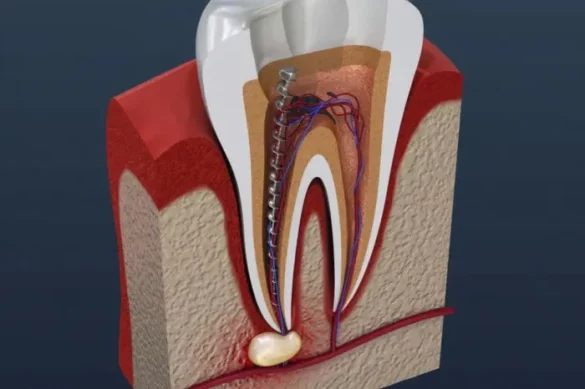
Root canal treatment is a common dental procedure designed to save a tooth that has been damaged by decay or infection. For many patients, the process can seem intimidating, both in terms of what to expect and the costs involved. Understanding root canal costs is important for making informed dental decisions and planning your finances. In 2025, the typical price for a root canal varies based on several factors, including the location of the tooth, whether you have dental insurance, and the type of dental professional performing the treatment.
What Is a Root Canal and Why Is It Needed?
A root canal is a procedure that removes infected or damaged tissue from inside a tooth. The main goal is to eliminate the infection, prevent further damage, and allow you to keep your natural tooth. Dentists or endodontists (root canal specialists) perform this procedure when the tooth’s pulp becomes inflamed or infected due to decay, cracks, or repeated dental procedures. Without treatment, the infection can spread, causing pain and potential tooth loss.
Factors That Influence Root Canal Cost
Root canal prices are not one-size-fits-all. Patients may wonder why there is a large range in costs, even within a single city or dental practice. Several factors can influence how much you will pay:
1. Type and Location of the Tooth
Front teeth (incisors and canines) have one root, making the procedure simpler. They generally cost less, typically between $700 and $1,100 without insurance. Premolars have more roots and typically range between $800 and $1,300. Molars, which are back teeth with two to three roots, are the most complicated to treat and can range from $1,000 up to $1,800 per tooth.
2. Dental Insurance Coverage
Insurance can significantly reduce what you owe. Coverage varies, but most plans pay between 50% and 80% of the root canal cost after you meet your deductible. With dental insurance, the out-of-pocket cost for a front tooth root canal could fall between $200 and $600, while a molar may cost $300 to $900. Deductibles and annual maximums set by your insurance plan still apply, so reviewing your benefits before the procedure is wise.
3. Specialist vs. General Dentist
Endodontists are root canal specialists and often charge more than general dentists because of their advanced training and expertise. Patients with complicated cases will be referred to an endodontist, especially for molars, which have more roots and complex anatomy. This specialization can affect final costs, sometimes adding several hundred dollars.
4. Geographic Location
Where you live affects fees for dental services. Urban areas and regions with a high cost of living generally have higher dental fees. Conversely, rural dental practices may offer lower prices. The variations are due to differences in rent, salaries, and operational costs across regions.
5. Additional Treatments and Materials
Root canal therapy often requires a crown to reinforce the tooth afterward. A dental crown typically costs an extra $1,000 to $1,500 without insurance, but with coverage, your out-of-pocket crown cost may be between $500 and $1,000. Some teeth may require posts or build-ups, which add to the price. Emergency or after-hours appointments can also cost more.
Average Cost Breakdown for Root Canals
While individual cases may vary, here is what most patients can expect for a root canal in 2025:
- Front tooth (incisor or canine): $700 – $1,100 without insurance; $200 – $600 with insurance
- Premolar: $800 – $1,300 without insurance; $300 – $700 with insurance
- Molar: $1,000 – $1,800 without insurance; $400 – $900 with insurance
These amounts reflect the typical range. Coverage depends on meeting deductibles and whether you use an in-network provider. Patients are encouraged to request a pre-treatment estimate from their dentist for greater accuracy.
How Dental Insurance Affects Your Cost
Having dental insurance can make a root canal more affordable for many people, but the benefits and costs depend on your plan. Most dental insurance plans have an annual maximum they will pay for all dental procedures, often set at $1,000–$1,500. Once you reach this maximum, you are responsible for 100% of additional costs. Root canals are usually classified as major procedures, so some plans only pay 50%, while other more generous plans cover up to 80% after the deductible.
For example, if a molar root canal costs $1,200 and your plan covers 80%, you would pay $240 after meeting any deductible, unless your insurance maximum has already been reached. Crowns are usually considered a separate procedure, with their own coverage limits and copayments. Always check with your dental insurance provider about what will be covered before the procedure.
The Cost of a Same-Day Root Canal
Some dental offices offer same-day root canals. The cost is usually not much different from a traditional root canal. The main benefit is scheduling convenience, allowing the procedure and crown to be completed in a single visit, depending on case complexity and dental technology.
Financing Options for Root Canal Treatment
If you do not have insurance, or if your insurance will not cover the full cost, many dental offices offer payment plans and financing options. Third-party healthcare credit cards or in-office payment arrangements can split your bill over several months. While financing can help make costs manageable, patients should check interest rates and terms to avoid surprise charges.
What to Expect in Your Bill: Understanding All the Charges
Beyond the root canal procedure itself, you may see separate charges for the dental exam, diagnostic x-rays, and anesthesia or sedation if necessary. The total cost for saving the tooth almost always includes the root canal and the crown. In rare cases, especially if the tooth becomes re-infected, retreatment or surgery may be necessary, which can increase costs.
Tips to Manage and Reduce the Cost of Root Canal Treatment
- Compare estimates from both general dentists and endodontists
- Confirm insurance coverage and annual limits in advance
- Ask your dental office about payment options
- Schedule regular dental visits to avoid future emergencies
- Seek preventive care to reduce your overall dental costs
Preventing major dental problems with routine check-ups and cleanings can help you avoid the need for costly root canals in the future.
Conclusion
In summary, the cost of a root canal in 2025 can vary greatly depending on tooth location, provider, your geographic region, and whether you have dental insurance. Most patients pay between $700 to $1,800 per tooth without insurance, and about $200 to $900 per tooth with insurance, not including the cost of a crown. Because every case is unique, it is important to obtain an individualized estimate and review possible payment options with your provider. Partnering with your dentist or endodontist and your insurance company can help you plan, budget, and save your tooth with confidence.
Frequently Asked Questions
How much does a root canal cost without insurance?
Most patients can expect to pay between $700 to $1,800 per tooth without insurance. Costs vary by type of tooth and the complexity of treatment.
How much is the average out-of-pocket cost with dental insurance?
With insurance, out-of-pocket root canal expenses are typically $200–$900, depending on the type of tooth, deductible, and plan details.
Does the cost include a dental crown?
No, crown costs are separate. A dental crown after a root canal averages $1,000–$1,500 without insurance, and $500–$1,000 with insurance.
Does a same-day root canal cost more?
Usually, a same-day root canal does not cost significantly more than a traditional root canal but may depend on dentist and technology.
Can I get a payment plan for root canal treatment?
Many dental offices offer payment plans or financing options. It’s helpful for making treatment more affordable if you do not have dental insurance.