


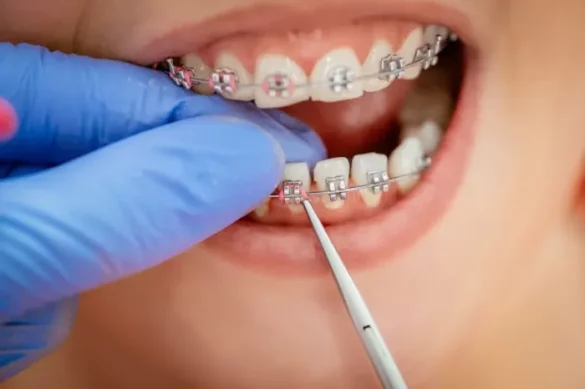
When you start orthodontic treatment with braces, one of the most common questions that arises is: when will I notice my teeth move with braces? The process of tooth movement is gradual, and patience is essential. Many patients are eager to see a noticeable difference, but the timeline for visible changes can vary depending on several factors, including the type of braces you have, your age, the severity of your dental issues, and your body’s individual response to treatment.
How Braces Work to Move Teeth
Braces apply gentle and continuous pressure to your teeth over time. This pressure causes the bone surrounding the teeth to remodel, allowing your teeth to move into their correct positions. The wires and brackets work together to create this controlled pressure. During this process, your body’s natural response is to allow your teeth to shift in the direction planned by your orthodontist. This is why consistent adjustments and follow-up visits are necessary throughout the treatment.
When Do Teeth Start to Move with Braces?
Initial Changes in the First Few Weeks
In most cases, changes to your tooth alignment begin almost as soon as your braces are applied. However, these changes are microscopic and are not immediately visible to the naked eye. Most orthodontic patients start to notice some movement or slight differences within the first two to four weeks. Some individuals may feel a bit of discomfort, pressure, or tightness, which are all signs that your teeth are responding to the forces of the braces.
Noticeable Differences Within the First Few Months
While initial tooth movement starts right away, most patients start to see visible improvements in their smile after six to eight weeks. By this time, mild cases may show clear signs of progress, and teeth that were previously crowded or misaligned often begin to look more even. If you have a complex case, such as severely crooked teeth or significant bite alignment issues, these visible changes might take three months or longer to become apparent.
Variations Based on Treatment Plan
The timeline for noticing tooth movement also depends on the treatment method. Traditional metal braces, ceramic braces, and clear aligners all apply pressure differently. Some patients may be using special orthodontic appliances in addition to their braces, such as expanders or elastics, which can affect how quickly movement occurs. Your orthodontist will provide a customized treatment plan and explain the expected progress.
Factors Affecting How Quickly You Notice Tooth Movement
Age and Bone Density
Younger patients tend to see changes more quickly because their bones are still developing and are more responsive to the pressure from braces. Adults may experience a slower response time, as their bone density is higher and less adaptable to change. However, adults are still capable of achieving excellent results with braces, just with a slightly longer timeline.
Severity of Alignment Issues
The greater the misalignment, the more movement is required, which can affect how soon changes are noticed. Minor crowding or gaps may begin to close quickly, whereas severe orthodontic problems may require more time before results become visible.
Type of Braces
Different types of braces create varying forces and pressure patterns. Metal braces tend to move teeth slightly faster than ceramic or clear aligners for more complex cases. If you are using self-ligating braces, these may offer more efficient movement in some instances, but timelines will depend on your individual condition.
Compliance and Oral Hygiene
Following your orthodontist’s instructions for wearing rubber bands, using aligners, and maintaining oral hygiene can influence how fast you notice changes. Poor oral hygiene can lead to gum issues or slow the treatment process, while good care helps ensure efficient tooth movement and a healthy mouth.
What to Expect in the First Few Months of Braces
During the initial month, you may feel soreness or tenderness as your teeth begin to shift. These feelings are normal and usually subside within a few days of each adjustment. Throughout the first three to six months, you should notice your teeth gradually becoming straighter, and spaces between teeth may start to close. Your orthodontist will monitor your progress at every visit and make adjustments to the wires to keep your treatment on track.
It is important to remember that everyone’s experience with braces is unique. You may notice movement sooner or later than someone else, even if your treatment seems similar. Your orthodontist can provide a more accurate estimate based on your initial assessment and ongoing progress.
Understanding the Complete Timeline for Orthodontic Treatment
Orthodontic treatment typically lasts between one and three years, depending on the case complexity. While you might notice early changes within weeks or months, achieving perfect alignment takes time. After the main phase of active treatment with braces, you may be required to wear retainers to keep your teeth in their new, corrected positions. Retention is a crucial part of treatment to prevent relapse.
Signs Your Teeth Are Moving with Braces
There are several signs that indicate your braces are working:
- Feeling increased pressure or tightness during orthodontic adjustments
- Slight soreness or tenderness, especially after appointments
- Visible alignment improvements in photos or in the mirror
- Shifting of gaps or overlapping teeth
These are positive indicators that your teeth are responding to treatment. Mild discomfort during adjustment periods is expected, but intense or ongoing pain should be addressed with your orthodontist.
What If You Do Not Notice Any Changes?
Some patients worry if they do not see movement as quickly as hoped. It is essential not to compare your progress with others. Teeth move differently for everyone and can sometimes appear unchanged for a few weeks before suddenly making a significant difference. If you are concerned about slow movement or discomfort, schedule a check-up with your orthodontist to assess your progress and treatment plan.
How to Support Healthy Tooth Movement
- Maintain excellent oral hygiene by brushing and flossing regularly
- Follow all instructions given by your orthodontist
- Avoid hard or sticky foods that could damage brackets or wires
- Attend all scheduled orthodontic appointments for adjustments
Following these guidelines will help keep your treatment running smoothly and maximize results.
Conclusion
Noticing tooth movement with braces is an exciting part of orthodontic treatment, but patience is key. Most people will start to see or feel changes within the first month, with visible differences becoming more apparent by the second or third month. Multiple factors affect this process, from age and the severity of alignment issues to the type of braces and the care you provide for your teeth. Stay in regular contact with your orthodontist, follow their advice, and focus on good oral hygiene to achieve a healthy, beautiful smile.
Frequently Asked Questions
How long after getting braces will I see movement?
Most patients notice slight movement within two to four weeks, with more visible changes by six to eight weeks.
Is it normal not to see any changes in the first month?
Yes. Some cases take longer for visible movement due to individual differences, case complexity, or age.
Will I feel pain as my teeth move?
Mild discomfort or tenderness after adjustments is normal. Severe or ongoing pain should be discussed with your orthodontist.
Can I speed up the process of tooth movement?
The best way to ensure efficient movement is to maintain good oral hygiene, attend appointments, and follow your orthodontist’s instructions.
What if I think my teeth are not moving at all?
Contact your orthodontist for a review if you are concerned. Most likely, movement is occurring, even if it is not yet visible.