


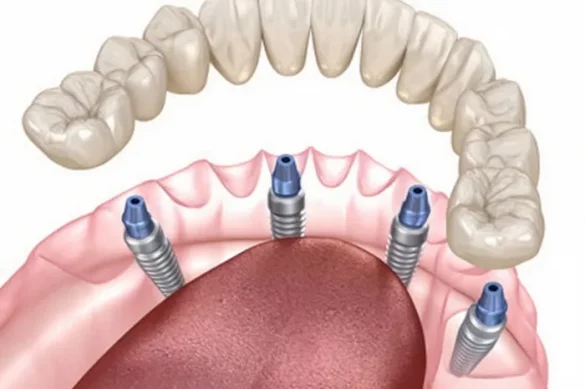
Dental implants have become a trusted and long-lasting solution for replacing missing teeth, leading many patients to ask about their flexibility and reversibility. One common question is whether it is possible to unscrew a dental implant if problems arise. Understanding when and how a dental implant might be unscrewed is important for anyone considering or already living with implants.
What Is a Dental Implant and How Does It Work?
A dental implant is a titanium or zirconia post surgically placed in the jawbone to support a dental crown, bridge, or denture. It is designed to mimic a natural tooth root, providing a stable and permanent foundation for chewing and speaking. Once inserted, the implant fuses with the jawbone in a process called osseointegration, which may take several months. This fusion makes the implant secure and durable, but also means it is not intended to be easily removed.
Reasons Why You Might Need to Remove or Unscrew a Dental Implant
Dental implants are built to last a lifetime, but not every case goes perfectly. Here are the main scenarios in which a dental implant may need to be unscrewed or fully removed:
1. Infection Around the Implant
Sometimes, bacteria infect the tissue surrounding an implant. This condition, called peri-implantitis, leads to red, swollen gums, pain, and even discharge. Early intervention may save the implant, but severe cases often require removal.
2. Implant Failure to Bond
If the implant does not successfully integrate with the jawbone, it can become loose or unstable. This can happen in smokers, people with bone loss, or those with specific health conditions. When bonding fails, removal and replacement become necessary.
3. Poor Implant Placement
Inaccurate placement can result in bite problems, jaw pain, or damage to surrounding teeth. Sometimes, the implant must be corrected or removed if the positioning is off.
4. Gum Recession
As gums recede, the metal post may become exposed. This increases infection risk and discomfort, prompting a dentist to recommend removal to protect oral health.
5. Nerve Damage or Proximity to Nerves
An implant placed too close to a nerve may cause numbness, tingling, or chronic pain. If nerve irritation occurs, the implant may need to be unscrewed.
6. Implant Fracture
Dental implants can sometimes break, crack, or wear down under excessive biting force or teeth grinding. A fractured implant must be carefully removed.
7. Bone Loss
A strong jawbone is essential for implant stability. When bone loss occurs, the implant may loosen and eventually require removal.
8. Allergic Reaction
Rarely, patients experience allergic reactions to implant materials such as titanium or zirconia. Persistent discomfort and inflammation might lead to implant removal.
9. Personal Preference
Sometimes, patients simply choose to replace implants with dentures due to lifestyle, cost, or comfort.
The Dental Implant Removal (Unscrewing) Procedure
Unscrewing or removing a dental implant is a precise surgical process, designed to minimize trauma and preserve as much healthy bone as possible. Here’s what you can expect:
Examination and Planning
Before any removal, your dentist will conduct a thorough exam, including X-rays, to assess the position of the implant and the health of the surrounding bone and gum tissue. Proper planning ensures that all possible complications are managed.
Local Anesthesia
To ensure comfort, your dentist will use local anesthesia to numb the area. You should not feel pain during the procedure.
Surgical Access
A small incision is made in the gum tissue to expose the implant and the surrounding bone. This step is necessary for the dentist to see and access the post securely anchored in the jawbone.
Unscrewing or Loosening the Implant
Specialized dental instruments are used to grip and unscrew the implant. If the implant is not well fused, it can sometimes be backed out much like a screw. However, most successful implants are tightly bonded with bone, and removal may require the dentist to gently cut away a small amount of surrounding bone.
Cleaning and Bone Grafting (If Needed)
Once the implant is removed, the dentist will clean the area, remove any infected tissue, and sometimes perform a bone graft. A bone graft provides additional support for future implants or dentures and helps restore the jaw’s strength and shape.
Closing the Incision
Stitches are placed to close the gum tissue. These may dissolve naturally or need to be removed at a follow-up appointment.
What to Expect After Unscrewing a Dental Implant
Recovery from dental implant removal is generally smooth but requires following your dentist’s guidance. Here’s what you should know:
- Swelling and soreness may occur for a few days
- Stick to soft foods during early healing
- Practice gentle brushing and oral hygiene
- Attend all scheduled follow-up visits
If a bone graft was performed, healing may take longer. Full bone recovery can take several months.
Can You Unscrew a Dental Implant at Home?
Absolutely not. Dental implants are permanent fixtures and only a dental professional can unscrew or remove them safely. Attempting removal at home can cause severe injury, infection, or bone damage. Always consult your dentist with concerns about your implant.
Can Crowns on Dental Implants Be Removed?
Yes, the dental crown—also known as the cap—can often be removed and replaced without disturbing the underlying implant post. This is a different procedure than unscrewing the implant itself.
Are All Types of Implants Removable?
Some implant systems, such as All-on-4 implants, are designed to remain fixed and cannot be removed by the patient. Only dental specialists, with the right training and tools, can remove these. Single implants and some bridges may be unscrewed or removed if needed for treatment.
Risks and Complications of Unscrewing Dental Implants
Although removal is possible, it is not without risks:
- Loss of bone around the implant may occur
- Risk of infection during healing
- Recovery may take several months
- Discomfort is expected after anesthesia wears off
Alternatives After Implant Removal
Following removal, your dentist will recommend options based on your bone health and personal preferences. These may include:
- Waiting for the area to heal, then replacing the implant
- Choosing a fixed bridge
- Opting for removable dentures
Modern solutions allow for comfortable, secure tooth replacement if an implant must be removed.
Conclusion
Dental implants can be unscrewed or removed in specific situations—usually for medical reasons—by a skilled dental professional using proper surgical techniques. Removal is not undertaken lightly, as implants are meant to be permanent solutions. If you experience pain, infection, or any concerns with your dental implant, talk to your dentist promptly. They can assess your individual case and provide the best advice for your health and comfort.
FAQs
Can dental implants be unscrewed by the patient?
No. Only a trained dentist can safely unscrew or remove a dental implant.
When might a dental implant need to be unscrewed?
Infection, implant failure, poor placement, and bone loss are common reasons.
Is implant removal painful?
The procedure uses local anesthesia, so patients do not feel pain during removal. Some discomfort is normal during recovery.
Can the dental crown be removed and replaced?
Yes, the crown can be replaced without fully removing the implant post.
What happens after a dental implant is unscrewed?
The area will heal for several weeks or months, followed by possible bone grafting and evaluation for replacement options.
Are there risks in unscrewing a dental implant?
There is a risk of bone loss, infection, and longer healing time after removal.