


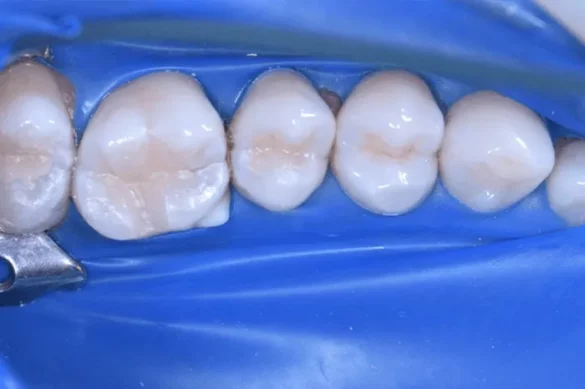
Dental resin bonding has become one of the most popular solutions in cosmetic and restorative dentistry for fixing chips, gaps, discoloration, and minor imperfections. Patients are often interested in the durability of this material, asking, “How long does resin last on teeth?” Understanding the lifespan of resin, what affects it, and how to maintain it is important for anyone considering this type of dental treatment.
What Is Dental Resin Bonding?
Dental resin bonding, also known as composite bonding, is a procedure in which a dentist applies a tooth-colored resin material directly onto the surface of the teeth. This material is carefully sculpted and hardened using a special curing light, adhering closely to natural tooth enamel. The process is minimally invasive, often requiring little to no removal of the natural tooth structure.
Composite resin has been refined over decades, making it an effective option for correcting minor imperfections. Many people choose bonding for its appearance and quick application compared to alternatives like crowns or veneers. It is especially popular on the front teeth because the resin can be matched to the natural color and texture of your enamel, creating a seamless look.
Average Lifespan of Dental Resin on Teeth
On average, resin applied to teeth lasts between 3 and 10 years. The wide range depends heavily on several individual factors, including oral care habits, the patient’s diet, and the location of the bonding in the mouth. Resin bonding is more susceptible to wear, staining, and chipping than porcelain veneers or metal crowns, which are engineered to last longer.
Why Does Longevity Vary?
Front teeth often receive bonding because they are the most visible. However, these teeth also undergo frequent use in biting and speaking, which can hasten resin wear. Resin in areas exposed to heavier biting pressure or habits like grinding will usually have a shorter lifespan.
Factors Affecting Resin Longevity
Many things influence how long resin lasts on teeth. These include:
Oral Hygiene
Brushing at least twice daily with a soft-bristled toothbrush helps keep the resin smooth and free of plaque, which can weaken it. Flossing every day and using an alcohol-free mouthwash provides extra protection, reducing bacteria that could harm the resin near the gums.
Eating and Drinking Habits
Certain foods and beverages can stain the resin more quickly than natural enamel. Drinks like coffee, tea, red wine, and sodas, or foods with strong pigments, may discolor bonded areas. Hard or sticky foods—such as ice, candies, or chewy snacks—can chip or crack resin, especially on the front teeth. Cutting these foods into smaller pieces and minimizing direct biting pressure helps.
Teeth Grinding and Clenching
People who grind or clench their teeth—known as bruxism—put extra stress on resin bonding. This habit can cause premature wear or even fracture the resin. If you grind at night, a custom nightguard made by a dentist helps protect restoration and reduce risk.
Smoking and Tobacco Use
Nicotine and tar from cigarettes and tobacco can lead to noticeable staining of resin bonding. Smoking can make bonded teeth appear yellow or dull more quickly than with natural enamel.
Professional Dental Care
Routine dental checkups allow your dentist to spot early signs of resin wear or damage and provide polishing or touch-ups. In some cases, the resin can be refinished or redone without needing total replacement. Dentists recommend professional cleaning every six months or as advised for optimal results.
Signs Dental Resin Needs Replacement or Repair
While resin bonding is durable, it does not last forever. Recognizing when your bonded teeth need attention is key to keeping your smile healthy and attractive. Common signs include:
1. Visible Stains or Discoloration
Unlike enamel, composite resin is porous and susceptible to staining. If bonded areas look darker, yellowed, or less vibrant compared to neighboring teeth, it may be time to replace or refresh the resin.
2. Chipping or Cracking
Minor chips or cracks are more likely when biting into hard objects or if you have habits like nail-biting or pen-chewing. Even small breaks or rough areas can compromise the tooth’s appearance and strength.
3. Rough or Uneven Surfaces
Resin bonding can lose its smooth finish over time, especially with improper care. Rough or irregular surfaces not only look and feel off but can trap stains and bacteria.
4. Separation Between Resin and Tooth
If you notice gaps or the resin pulling away from the tooth, it could be a sign of wear or faulty bonding. This can allow bacteria to enter and may increase the chance of tooth decay.
5. Increased Tooth Sensitivity
Worn or thinning resin can expose sensitive parts of your tooth, leading to discomfort with hot, cold, or sweet foods and drinks.
Always visit your dentist promptly if you spot these warning signs. Early repairs or touch-ups can extend the life of your bonding and prevent further complications.
How to Care for Teeth with Resin Bonding
Maximizing the lifespan of resin restorations requires consistent care and smart habits.
Effective Daily Cleaning
Brush with a non-abrasive toothpaste and a soft-bristled brush to prevent scratching or dulling the resin. Floss gently but thoroughly to remove plaque from areas that can be hard to reach. Avoid over-the-counter whitening products or abrasive pastes, as these can damage the resin’s surface.
Choose Foods and Drinks Carefully
Limit exposure to high-acid or strongly pigmented foods and beverages. When you do enjoy them, rinse your mouth afterward or use a straw for beverages to minimize contact with bonded teeth.
Prevent Physical Damage
Avoid biting hard items—ice, raw vegetables, bones, hard candies—with bonded teeth. If needed, cut food into smaller pieces for easier chewing. Don’t use your teeth to open packages or bite fingernails.
Wear a Nightguard if Needed
If you grind your teeth at night, a professionally made nightguard can prevent excess wear and fractures, extending the resin’s functional lifespan.
Regular Dental Visits
Your dentist can check the condition of the bonding, polish rough edges, and advise on repairs or replacement as needed. Professional touch-ups may be performed every few years to keep your restoration looking its best.
Alternative Treatments and Longevity
Resin bonding is an accessible and cost-effective cosmetic fix, but it’s not suitable for every situation. Patients seeking longer-term solutions may consider porcelain veneers or crowns, which can last upwards of two decades with appropriate care. However, these alternatives often require more removal of the original tooth and a greater financial investment.
Composite resin remains a popular choice for its affordability, convenience, and conservative approach. Most importantly, many repairs or touch-ups can be completed in a single visit using minimally invasive techniques.
Conclusion
Composite resin bonding offers a straightforward and effective solution for enhancing and restoring teeth. While it is not a permanent fix, proper dental hygiene, smart dietary choices, and regular dental visits can significantly extend its lifespan—usually between 3 and 10 years. If you notice signs of wear, discoloration, or other changes in your bonded teeth, consult your prosthodontist for timely repair or replacement. Understanding how to care for resin bonding is the best way to maintain a bright, healthy smile for years to come.
Frequently Asked Questions
How long does resin generally last on teeth?
Resin typically lasts between 3 and 10 years, depending on care practices and personal habits.
Can I whiten bonded teeth if they get stained?
Traditional whitening treatments are ineffective on resin; severe staining may require replacement or professional polishing by your dentist.
Is resin bonding permanent?
No, resin bonding is not permanent, but with proper care, it can be a durable solution for minor cosmetic dental improvements.
Does the location of bonding affect its lifespan?
Yes, bonding on front teeth or teeth that handle more biting pressure is at higher risk of wear and may require more frequent replacement.
What are signs my resin bonding needs attention?
Discoloration, chips, rough surfaces, separation from the tooth, and sensitivity all indicate the need for professional review and possible replacement.