


A deep cavity is one of the most common dental problems that brings patients and dentists together. If you are experiencing persistent tooth pain, sensitivity to temperature, or discomfort when biting, you may have a deep cavity. Fixing a deep cavity is essential not only for pain relief but also for saving the tooth from further decay and possible loss. In this guide, we will explain what a deep cavity is, how dentists repair it, the different treatment options, and how you can prevent deep cavities in the future.
What Is a Deep Cavity?
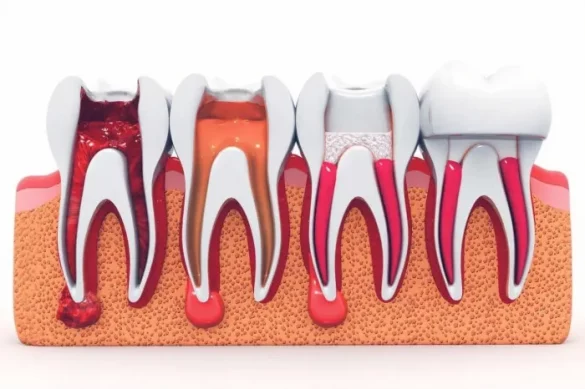
A cavity is tooth decay caused by bacteria breaking down enamel and dentin. When a cavity becomes “deep,” it means the decay has reached close to or into the pulp of the tooth. The pulp contains nerves and blood vessels, so deep cavities typically produce severe symptoms like pain, sensitivity, and sometimes swelling. Timely treatment is crucial for relief and for saving the tooth.
Signs and Symptoms of a Deep Cavity
A deep cavity often shows distinct symptoms. Recognizing these can help you seek treatment quickly.
Main Signs:
- Continuous tooth pain
- Sensitivity to hot, cold, or sweet foods
- Discomfort while chewing
- Dark spots on the tooth
- Visible hole or crack
- Swelling or tenderness in the gums
Ignoring these signs leads to worsening damage and sometimes infection, which may require more invasive treatments like root canals or even tooth extraction.
Diagnostic Process for Deep Cavities
Dentists use several steps to diagnose a deep cavity. First, they ask about your symptoms. Next, they perform a visual examination. Sometimes, the dentist feels the area for tenderness. X-rays are essential, as they reveal the depth of the decay and its proximity to the pulp. Based on this assessment, the dentist decides which treatment is best for your tooth.
Treatment Options for Deep Cavities
The best method for fixing a deep cavity depends on how much decay there is and whether the pulp is infected or exposed. Treatment options range from simple fillings to more advanced procedures. Let’s look at each possible option.
1. Dental Fillings for Moderately Deep Cavities
Fillings are the first line of treatment if the cavity is deep but has not yet reached the pulp. In this procedure:
- The dentist removes all decayed tissue
- The cavity is cleaned and disinfected
- Filling material (composite resin, amalgam, or glass ionomer) is placed to seal the tooth
Fillings restore the tooth’s shape and function while preventing future decay.
2. Indirect Pulp Capping for Near-Pulp Cavities
Indirect pulp capping is suitable when decay is very close to the pulp but has not exposed it. The dentist leaves a thin layer of soft dentin undisturbed, protecting the pulp. Next, a protective material like calcium hydroxide is placed over the area before the final restoration is added. This encourages the natural dentin to rebuild and shields the pulp from infection.
3. Direct Pulp Capping for Small Pulp Exposures
If decay has just breached the pulp by a tiny amount, direct pulp capping is used. After gently cleaning the exposed area, the dentist applies medication directly to the pulp. The tooth is sealed with a filling to prevent infection. While results may vary, this procedure works well for healthy teeth in younger patients.
4. Medicinal Liners and Bases
Dentists sometimes use medicinal liners and bases under fillings to protect the pulp. Materials such as fluoride-releasing or calcium-releasing liners help reduce sensitivity and encourage healing. These liners form a barrier between the filling and the sensitive pulp, improving tooth protection.
5. Dental Crowns for Structural Support
For cavities that have severely damaged a large portion of the tooth, crowns can provide robust protection. Dentists remove all decay, shape the tooth, and place a crown over it. Crowns preserve the remaining tooth structure and prevent fractures. Crowns are usually recommended if a simple filling would not be strong enough.
6. Root Canal Treatment
A root canal is needed if the pulp has become infected or abscessed. The dentist removes the infected pulp and disinfects the root canals. The tooth is then sealed and usually fitted with a crown. While root canals have a reputation for being uncomfortable, modern methods have reduced pain, and this procedure often saves teeth that would otherwise need to be extracted.
Is It Always Possible to Avoid a Root Canal?
Many patients wish to avoid root canals. For some deep cavities, alternative treatments work well. If the pulp is healthy and the infection is not severe, indirect or direct capping or crowns might be chosen. However, if there is severe pain, swelling, or visible abscesses, a root canal is often the only way to save the tooth.
Dentists base their treatment recommendation on several key factors:
- The depth and extent of the decay
- Whether the pulp is healthy or infected
- The overall strength and condition of the tooth
- X-ray findings and clinical examination
The Importance of Early Intervention
The sooner a deep cavity is treated, the better the outcome. Immediate action can limit the damage and avoid complex procedures. Early dental appointments make it possible for dentists to catch and repair cavities before they become deep. Prompt care also prevents infection and loss of the affected tooth.
Preventing Deep Cavities
Prevention is critical to avoiding painful and expensive treatments. Follow these simple steps to protect your teeth:
Brushing Twice Daily
Use fluoride toothpaste and brush all surfaces of your teeth. This prevents bacteria from causing decay.
Flossing Daily
Floss removes food and plaque between teeth. These areas are prone to cavities because they are hard to reach with a brush.
Healthy Diet Choices
Limit sugary foods and drinks. Sugar fuels cavity-causing bacteria, increasing your risk for deep decay.
Regular Dental Check-Ups
Visit your dentist at least twice yearly. Professional cleanings and early detection reduce your risk for deep cavities.
Dental Sealants
Talk to your dentist about sealants. They protect the chewing surfaces of back teeth, especially in children and adults prone to cavities.
Conclusion
Fixing a deep cavity requires timely and appropriate dental care. Treatment options range from simple fillings, pulp capping, and medicinal liners, to crowns and root canals. The right choice depends on how much the decay has spread and whether the pulp is healthy. Early intervention and preventive measures are the best ways to protect your teeth. If you notice persistent pain or sensitivity, make a dental appointment as soon as possible. Saving your tooth and maintaining your oral health is always worth it.
Frequently Asked Questions
What happens if a deep cavity is not treated?
If a deep cavity is left untreated, it may lead to infection, abscess, tooth loss, and in rare cases, systemic health problems.
Can a deep cavity heal on its own?
No, deep cavities cannot heal without professional intervention. Decay must be removed and the tooth restored.
Is a root canal always needed for deep cavities?
Not always. If the pulp is healthy and not infected, alternatives like pulp capping and crowns may be used. Severe cases require root canals.
How painful is fixing a deep cavity?
Modern dental techniques and anesthesia make treating deep cavities much less painful than in the past. Discomfort is usually minimal.
How can I prevent deep cavities?
Regular brushing, flossing, healthy diet, dental check-ups, and sealants are effective ways to prevent deep cavities.