


Dental cavities are one of the most common problems treated by dentists. Getting a cavity filled is an essential dental procedure that restores your tooth and prevents further decay. However, many patients worry about pain before, during, and after the treatment. With the right preparation and care, you can make cavity filling much less painful and recover quickly.
Understanding Why Cavity Fillings Cause Pain
It is natural to feel nervous about dental work. Cavity fillings cause discomfort for several reasons. First, the procedure requires the removal of decayed parts of your tooth. Second, dentists often use tools that may irritate the nerves inside your tooth. Some sensitivity may occur due to the material used to fill the cavity. Finally, after the procedure, the numbing effect of anesthesia wears off and soreness may develop in the treated tooth or surrounding gums.
The Cavity Filling Process Explained
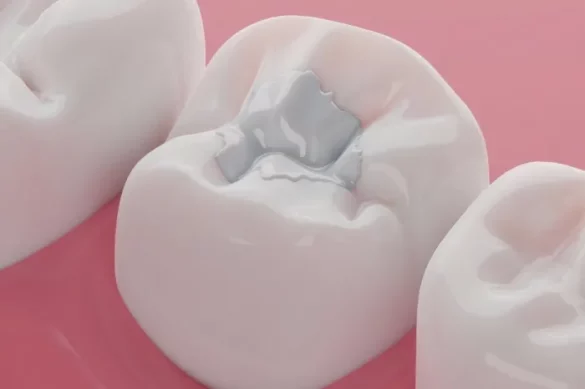
A typical cavity filling appointment starts with numbing the treatment area. Dentists use a local anesthetic to block pain and keep you comfortable while they work. Once your mouth is numb, the decayed portion of the tooth is gently removed. The dentist then fills the hollow space with a suitable dental material such as composite resin, amalgam, or glass ionomer. Your bite is checked to ensure the filling does not interfere with chewing.
Modern dentistry techniques make the procedure almost pain-free. Anesthesia provides effective comfort for most patients, though some may feel minor pressure or vibration from dental tools. Once the anesthesia fades, it is normal to experience mild soreness or sensitivity for a few hours to days.
Pain During Cavity Filling: How to Minimize Discomfort
Communicate With Your Dentist
Tell your dentist if you feel anxious about pain. Dentists can use different anesthetic techniques and materials tailored to your needs. If you have low pain tolerance, additional numbing agents may be used. Always inform your dentist about any allergies to medications.
Ask for Effective Numbing
Local anesthesia is key for making cavity fillings comfortable. Ensure your dentist waits until you are completely numb before starting the procedure. In some cases, topical numbing gels may be applied before the injection.
Consider Sedation Options
For those with severe dental anxiety, mild sedation may be available. Nitrous oxide (laughing gas) or oral medications help you relax during the appointment. Discuss these options with your dentist prior to treatment.
Pain After Cavity Filling: What to Expect
After the anesthetic wears off, sensitivity or soreness may develop around the filled tooth and gums. This is common and usually fades within days. It may be triggered by temperature changes, sweet foods, or pressure from chewing.
1. Avoid Hard and Sticky Foods
Right after your filling, choose soft foods for at least 24–48 hours. Avoid hard items like nuts, chips, or raw vegetables, and steer clear of chewy candies that could pull at the new filling. Hot or cold foods and drinks may also cause sensitivity, so opt for those at room temperature.
2. Use Over-the-Counter Pain Relievers
Mild pain can be managed with medication such as acetaminophen or ibuprofen. Take them as directed and consult your dentist or doctor if you have medical conditions or allergies. Do not use aspirin, as it may increase bleeding risk.
3. Apply a Cold Compress
If you experience swelling or throbbing pain, gently place a cold compress or ice pack wrapped in a cloth against the cheek near the treated tooth for 15–20 minutes. This helps reduce inflammation and numbs the area. Repeat as needed, especially in the first 48 hours.
4. Practice Gentle Oral Hygiene
Good oral hygiene is crucial after a cavity filling. Brush your teeth twice daily with a soft-bristled toothbrush and avoid aggressive brushing near the treated area. Floss carefully to remove food particles, but do not snap the floss around the filled tooth. An antibacterial mouthwash may help reduce bacteria and ease inflammation.
5. Avoid Chewing on the Treated Side
Rest your filled tooth by chewing food on the opposite side of your mouth for a day or two. Putting pressure on a fresh filling may cause pain or even dislodge the material. Gradually return to normal chewing once discomfort subsides.
Monitoring Recovery and Knowing When to Seek Help
Most discomfort after cavity fillings resolves within a few days. Persistent or severe pain, swelling, or fever may indicate complications such as infection, allergic reaction, or filling failure. Contact your dentist if you experience:
- Sharp or worsening pain
- Swelling that does not improve
- Sensitivity lasting more than two weeks
- Fever or signs of infection
Your dentist may need to adjust or replace the filling, prescribe antibiotics, or address additional dental issues.
Preventing Pain in Future Cavity Fillings
Timely Dental Visits
The longer a cavity is left untreated, the more likely pain will develop. Early intervention makes the procedure simpler and less uncomfortable. Regular dental check-ups allow your dentist to spot and treat cavities before they worsen.
Daily Oral Care
Brushing with fluoride toothpaste twice a day and flossing daily prevents decay and reduces pain risk during or after cavity fillings. Limit sweets and acidic drinks, and rinse your mouth with water after meals.
Professional Advice and Education
Ask your dentist about the best oral hygiene practices and cavity prevention. Professional cleanings, dental sealants, and fluoride treatments keep teeth strong and cavity-free.
Conclusion
Making cavity filling less painful starts with good communication, effective numbing, gentle aftercare, and proper oral hygiene. Most discomfort is mild and temporary, and prompt action helps avoid serious complications. By following these proven steps, patients can feel confident and comfortable before, during, and after their dental appointment. When in doubt, always consult your dentist—they are your partner in oral health and comfort.
FAQs
How long does pain after a cavity filling last?
Most sensitivity or soreness resolves within a few days to a week. Persistent pain may require follow-up.
Can I eat right after a cavity filling?
Wait until the numbness from anesthesia wears off. Soft, lukewarm foods are best for the first day.
What should I do if my filling feels uneven or causes pain while chewing?
Contact your dentist. The filling may need adjustment to ensure a comfortable bite.
How can I prevent cavities and future fillings?
Practice daily oral hygiene: brush twice, floss once, avoid excess sugar, and schedule regular dental check-ups.
When should I seek medical help for pain after a filling?
If you have severe pain, swelling, fever, or pain lasting beyond two weeks, see your dentist for a professional evaluation.