


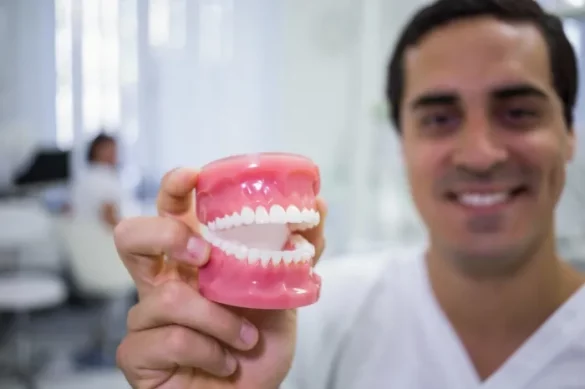
Braces can make a tremendous impact on your oral health, confidence, and overall quality of life. However, their cost often becomes a major obstacle for families and individuals interested in improving their smiles. The good news is that getting affordable braces is possible with the right approach, some research, and an understanding of your financial options. Whether you are a parent seeking braces for your child or an adult wanting to correct misalignment, you do not have to let finances stand in your way.
Understanding Braces Costs
The first step to getting affordable braces is knowing what you are paying for. Braces prices are influenced by several factors, and each decision you make along the way can affect the final amount.
The Average Cost of Braces
Braces can range in price from around $3,000 to over $8,000, depending on the treatment. Here are common types and their approximate average costs:
- Traditional metal braces: $3,000–$7,000
- Ceramic braces: $4,000–$8,000
- Self-ligating braces: About $5,500
- Clear aligners (like Invisalign): $4,000–$8,000
- Lingual braces (placed behind your teeth): $8,000–$12,000
Additional costs can include initial consultations, x-rays, retainers, and routine check-ups. Different orthodontists may quote different prices depending on their experience and practice location.
Factors Impacting Cost
Several elements can influence the overall price of your orthodontic treatment:
- Type of braces chosen
- Treatment duration
- Complexity of your dental issue
- Geographic location of the provider
- Orthodontist’s experience and reputation
Knowing these factors can help you make informed choices tailored to your budget.
Steps to Get Affordable Braces
1. Explore All Braces Types
The type of braces you choose can make a significant difference in affordability. Traditional metal braces are typically the most cost-effective. Ceramic braces and clear aligners may be more discreet, but usually cost more. If visibility is not a major concern, opting for metal braces could be the best way to reduce expenses.
2. Make Use of Dental Insurance
If you have dental insurance, check your policy. Many plans cover part of the cost for dependent children, but fewer cover adult orthodontics. Sometimes, insurance will pay a maximum amount toward treatment or cover part of the down payment and spread out benefits. If you do not have orthodontic coverage, ask your employer if new coverage can be added during open enrollment or revised benefit plans. Even limited coverage can reduce your out-of-pocket expenses by hundreds or even thousands of dollars.
3. Ask About Payment Plans
Most orthodontic offices recognize the burden of out-of-pocket costs and will offer payment plans. These might let you pay a small amount each month rather than the entire sum upfront. Some offices offer interest-free payment plans over the course of treatment. Do not hesitate to negotiate or ask for flexible terms. A payment plan can make braces affordable and accessible without major financial strain.
4. Consider Flexible Spending and Health Savings Accounts
If you have access to a Flexible Spending Account (FSA) or Health Savings Account (HSA), you can use pre-tax funds to pay for orthodontic treatment. These accounts can make your money go further and decrease your taxable income. Simply submit receipts for qualified dental expenses to get reimbursed.
5. Seek Out Dental School Clinics
Orthodontic and dental schools often provide treatment at reduced prices. Student dentists and orthodontists-in-training perform procedures under supervision from experienced professionals. This means you can receive high quality care at a lower cost. Check the list of accredited dental schools near you, and inquire about orthodontic services available to the public.
6. Look for Special Offers and Discounts
Many orthodontists offer seasonal discounts, specials for first-time patients, or reduced pricing for those who can pay the total amount upfront. Ask every provider you visit if there are current promotions or available savings. Some offer discounts for siblings or multiple family members treated at once.
7. Compare Different Orthodontists
Prices for braces can vary widely even within the same city. Take time to compare several offices, their offered services, reputations, and pricing. Seek transparent quotes, so you will know exactly what is included. Reading patient reviews can also help you judge if an office balances cost and quality.
8. Research Government and Nonprofit Programs
In some locations, dental assistance programs exist for low-income families or individuals. These programs may fully or partially cover the cost of orthodontics or refer eligible patients to clinics offering reduced rates. Community clinics or non-profit dental organizations sometimes host events for free or affordable dental care. Ask your local dental society or health department for resources.
Maximizing Value in Your Braces Experience
Affordable braces are not only about upfront cost—they are also about getting long-term results for your investment. Here are some additional tips to get the most out of your treatment and keep further expenses low.
Maintain Good Oral Hygiene
Proper brushing, flossing, and regular check-ups during orthodontic treatment help prevent costly repairs or delays. Avoiding sticky and hard foods can reduce the risk of damage to brackets or wires, which may require emergency visits.
Plan for Retainers and Aftercare
After your braces come off, you will need retainers to keep your teeth in their new positions. Discuss with your orthodontist the costs for both permanent and removable retainers. There are online providers for retainers that offer affordable prices, but always ensure their products are safe and dentist-approved.
Do Not Skip Regular Appointments
Skipping check-ups can mean small issues go unnoticed and require expensive corrections later on. Some orthodontists give discounts or bundled pricing for ongoing care, so ask about long-term follow-up packages.
Alternatives If You Need Significant Financial Help
For those with especially tight budgets, several more affordable routes still exist:
- At-home clear aligner kits approved by dental professionals
- Community or nonprofit dental events for children and adults
- Grants or assistance from charitable dental organizations
Always do your research: choose safe, accredited providers and avoid unverified mail-order products.
Conclusion
Getting braces is a smart investment in your health and self-esteem, but it does not have to cause financial stress. By understanding what influences cost, seeking out discounts, comparing providers, and using insurance or alternative funding options, braces can be affordable to more people than ever before. Take the time to ask questions, review your coverage, and explore community resources. With planning, you can unlock the benefits of a straight, healthy smile without breaking the bank.
Frequently Asked Questions (FAQs)
What type of braces are most affordable?
Traditional metal braces are typically the least expensive option and provide effective results for most patients.
Does dental insurance cover braces for adults?
Some plans offer partial coverage for adult braces, but many cover only children. Always double-check with your insurance provider.
Can payment plans make braces more affordable?
Yes, many orthodontists allow you to pay monthly with little or no interest, making it easier to fit braces into your budget.
Are there programs for low-income families?
Yes, some government programs, nonprofit organizations, and dental school clinics offer reduced-cost or free orthodontic treatment based on need.
Is it safe to choose the cheapest provider?
Always consider quality as well as price. Seek licensed, experienced orthodontists or clinics. The lowest price is not always the best value.