


A growing number of adults are considering braces not out of medical necessity, but for purely cosmetic reasons. The idea of perfect, straight teeth has become more popular as advancements in orthodontic technology make treatment more discreet and accessible. If you are wondering whether you can get braces when you don’t medically need them, this guide will walk you through the motivations, steps, and important considerations of elective orthodontic treatment.
Understanding the Motivation for Non-Medical Braces
Cosmetic Reasons for Seeking Braces
For many, the desire for braces stems from wanting a more attractive smile. Minor gaps, slight crowding, or just the wish for more uniform teeth can prompt someone to consider braces. These small imperfections may not warrant medical recommendation, but they can affect confidence and self-esteem. Adults who feel self-conscious about their teeth often seek cosmetic orthodontic solutions to improve their smile.
Social Influences and Personal Preferences
Sometimes the motivation comes from looking at peers or media personalities with perfect teeth. The psychological impact of appearance in social situations is significant. Smiling with confidence can affect personal and professional interactions. If you are bothered by your teeth, no matter how minor the issue, it’s natural to consider orthodontic options even if there’s no functional problem.
Can You Get Braces If You Don’t “Need” Them?
Medical vs. Cosmetic Need
Traditionally, braces are recommended for correcting dental malocclusions, issues with bite alignment, or severe crowding. Orthodontists assess these issues and advise treatment based on improving oral health and function. However, cosmetic orthodontics focuses primarily on appearance rather than medical necessity.
While some orthodontic practices will only treat patients with clearly defined orthodontic problems, many dentists and orthodontists recognize that even minor adjustments can have a meaningful impact on a patient’s confidence and quality of life. It is important, however, to be clear about your motivations and expectations when seeking cosmetic orthodontic treatment.
Ethical Considerations
Most reputable orthodontists will discuss the ethical aspect of non-essential treatment with you. Cosmetic braces are legitimate, but professionals will want to ensure you understand the benefits, risks, costs, and long-term impact. They may also assess whether your smile could benefit from minor correction, as even small improvements can be worthwhile.
Steps to Getting Braces When You Don’t Need Them
Step 1: Self-Assessment
Take time to evaluate why you want braces. Is the desire purely aesthetic, or do you experience minor discomfort, difficulty cleaning, or any functional issues?
Step 2: Schedule a Consultation
Book an appointment with an orthodontist or a dentist who offers cosmetic dentistry. During your consultation, clearly state your motivations and discuss your concerns.
Step 3: Clinical Examination
The clinician will examine your teeth and assess your bite, spacing, and overall oral health. X-rays or digital scans may be taken to check root positioning and health.
Step 4: Discuss Goals and Treatment Options
Share your specific expectations: are you looking to close a small gap, align mildly crooked teeth, or just want a more symmetrical smile? Your orthodontist may suggest different approaches:
- Traditional metal braces for reliable, precise movement
- Ceramic braces that blend with teeth
- Clear aligners (like Invisalign) for subtle adjustments
They will outline the pros and cons of each option, detailing treatment duration, costs, and expected outcomes.
Step 5: Understand Payment and the Commitment
Cosmetic orthodontic treatment is often not covered by insurance since it is not medically necessary. You’ll need to discuss payment plans and financial options with your provider. Consider how braces may affect your lifestyle for the length of treatment.
Step 6: Begin Treatment
Once you have agreed on the plan and settled payment arrangements, the orthodontist will fit your braces or provide clear aligners. You’ll be advised on care, follow-up appointments, and oral hygiene routines to maintain optimal results.
Types of Cosmetic Braces Available
Traditional Braces
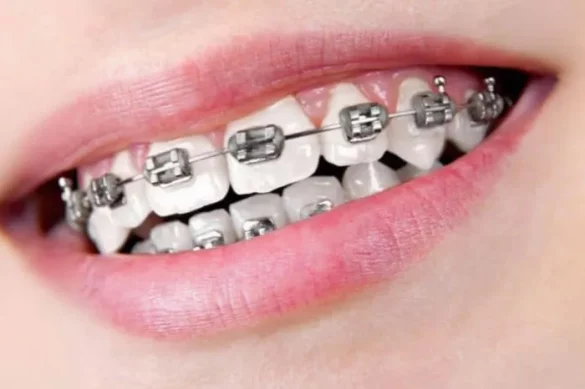
These are metal brackets and wires. They remain the most effective for significant movement but may affect appearance during treatment.
Ceramic Braces
Ceramic braces use tooth-colored materials that are less conspicuous than metal. They provide excellent results and blend with natural teeth.
Clear Aligners
These removable, nearly invisible trays are used for mild to moderate correction. Clear aligners like Invisalign are popular among adults mainly seeking cosmetic improvement.
Pros and Cons of Cosmetic Braces
Advantages
- Improved appearance and confidence
- Access to advanced, discreet treatment options
- Correction of minor imperfections that may otherwise cause discomfort or cleaning difficulties
Disadvantages
- Cost is generally higher for cosmetic purposes and is not covered by most insurance plans
- May cause discomfort, especially in the initial phase
- Risk of unnecessary dental intervention if no real need exists
- Possible change to enamel or tooth health if not done carefully
Special Considerations for Adults
Adults are increasingly seeking orthodontic treatment for esthetic reasons. The process is tailored to fit busy lifestyles and is often more discreet. Orthodontists respect adult concerns and focus on minimal-impact solutions.
Minor corrections in adulthood are common as teeth can shift over time. Even if you did not need braces as a child, you may find that small changes could benefit your smile later in life.
Talking to Your Orthodontist: Important Questions
When considering braces for cosmetic reasons, discuss the following with your orthodontist:
- What results can I realistically expect?
- How long will the treatment take?
- What is the total cost, and are there payment plans?
- What are the care requirements?
- Are there other options better suited to my concerns?
- Will the treatment affect my dental health in any way?
Conclusion
Cosmetic orthodontics is a growing area in adult dental care. While braces are traditionally used to correct functional dental issues, seeking them for aesthetic improvement is both possible and accepted by many modern practices. The process begins with being honest about your motivations, followed by a professional consultation, choosing the right type of braces, and committing to the treatment plan. Always work with a reputable orthodontic provider to ensure that your treatment is ethically appropriate, safe, and aligned with your expectations. Remember, improving confidence in your smile can be as important as correcting dental health—just make sure you approach cosmetic orthodontics with careful consideration and professional guidance.
Frequently Asked Questions
Can I get braces if I don’t have a medical need?
Yes. Many orthodontists offer cosmetic treatments for minor corrections, provided it is safe and ethical.
Will insurance pay for cosmetic braces?
Generally no. Cosmetic orthodontics is elective and not considered medically necessary, so costs are usually out-of-pocket.
What is the process like?
It starts with a consultation, clinical exam, treatment discussion, financial planning, and then the fitting of braces or aligners.
Should I be concerned about unnecessary treatment?
Yes. Discuss any concerns with your orthodontist to confirm that the treatment does not pose risks to your dental health.
Are clear aligners suitable for cosmetic correction?
Yes. Clear aligners like Invisalign are very popular for adults seeking cosmetic improvements without traditional braces.