


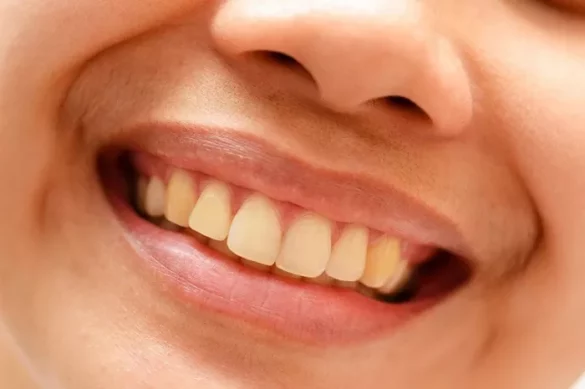
Many people believe that yellow teeth are stronger than whiter teeth. This idea is common, but it is not fully true. In this article, we explain what tooth color means, what makes teeth yellow, how strong teeth really are, and what you should know about tooth health. We will break down the facts in clear terms.
What Determines Tooth Color?
Your teeth have layers that affect how they look.
Enamel
The outer layer of the tooth is enamel.
Enamel is the hardest substance in the human body.
It protects the inner parts of the tooth.
Dentin
Under enamel is dentin.
Dentin is a yellow-ish tissue.
It is softer than enamel.
Color You See
If enamel is thick and smooth, teeth look whiter.
If enamel is thin, dentin shows through more.
That makes teeth look yellow even if they are healthy.
So, tooth color depends on enamel thickness and how light reflects off the tooth.
Does Yellow Mean Stronger?
The short answer is no — yellow teeth are not stronger than whiter teeth.
Here’s why:
Tooth Strength Comes From Structure
Tooth strength depends on the mineral content of enamel and dentin.
It depends on how well teeth resist cracking and wear.
It does not depend on the color of teeth.
Yellow Color Doesn’t Mean More Mineral
Yellow teeth may have thinner enamel.
That means more dentin shows, but it does not mean more minerals or stronger enamel.
In many cases, enamel thinning happens because of wear, erosion, or age.
Thinner enamel usually means weaker protection, not stronger.
Why Do Teeth Turn Yellow?
There are many reasons for yellow teeth. Some are normal, and some need care.
Natural Aging
- As you age, enamel wears down
- Dentin becomes more visible
- Teeth may look more yellow with age
Diet and Staining
Foods and drinks like coffee, tea, wine, and curry can stain enamel.
Smoking and tobacco also add yellow or brown stains.
These stains are on the enamel surface, not inside the tooth.
Enamel Loss
Enamel can wear away from:
- Acidic foods and drinks
- Acid reflux
- Hard brushing
- Bruxism (teeth grinding)
When enamel is thin, teeth appear more yellow.
Genetic Factors
Some people naturally have thicker or thinner enamel.
This can make teeth look different in color even if they are healthy.
Medications
Some medicines can darken or yellow teeth over time.
Is Yellow Dentin Stronger?
Some people think dentin (which is yellow) is stronger than enamel.
That is not correct.
Enamel vs. Dentin Strength
Enamel is:
- Harder
- More mineralized
- More resistant to wear
Dentin is:
- Softer
- Less protective
- More flexible
Enamel is stronger than dentin, even if it looks whiter.
Yellow dentin is not a sign of superior strength.
White Teeth — Are They Weaker?
Whiter teeth are often assumed to be weaker.
This is also not true.
Whiteness and Health
Whiteness alone does not show health.
Teeth can be white but have problems like:
- Cavities
- Cracks
- Enamel defects
- Sensitivity
Cosmetic Whitening
Whitening does not change strength.
It changes surface color, not mineral content.
Sometimes whitening may make teeth more sensitive for a time.
But it does not weaken teeth permanently.
Strong Teeth — What Matters Most
Let’s look at what truly affects tooth strength.
Mineral Content
Tooth strength depends on minerals like calcium and phosphate.
Fluoride also helps enamel stay strong.
Enamel Thickness
Thicker enamel usually resists decay and wear better.
But thickness varies by person.
Oral Hygiene
Good oral hygiene protects teeth by reducing bacteria.
This lowers the risk of decay and enamel loss.
Diet
A balanced diet with limited sugar helps tooth strength.
Acidic foods and soft drinks can erode enamel over time.
Saliva
Saliva neutralizes acids and supplies minerals that help enamel repair.
Low saliva increases risk of enamel damage.
Dental Care and Habits
Regular dental cleanings and checkups help maintain tooth strength.
Avoiding hard chewing habits, ice chewing, and bruxism protects enamel.
When Yellow Teeth Can Be a Problem
Yellow teeth can be only cosmetic.
But sometimes they signal issues.
Erosion and Wear
If enamel is lost from acid or grinding, teeth can appear yellow.
This can make teeth more sensitive and prone to decay.
Decay and Plaque
Yellow or brown spots can be decay, not just color variation.
Cavities weaken the tooth structure.
Tartar Buildup
Tartar often looks yellow or brown.
It forms when plaque hardens.
Tartar growth can lead to gum disease and should be removed by a dentist.
Intrinsic Staining
Some stains come from inside the tooth.
This happens with:
- Trauma
- Certain medications
- Developmental issues
Intrinsic stains do not rub off and may need dental treatment.
Can You Improve Tooth Color?
Yes, yellow teeth can often be made whiter if desired.
Professional Whitening
Dentists use safe whitening methods that are stronger than store products.
They customize treatment for your teeth.
At-Home Whitening
Over-the-counter products can help surface stains.
They do not change deep stains as well as professional options.
Natural Methods
Some natural methods claim to whiten teeth, but many lack evidence.
Always be cautious and consult a dentist.
Preventing Stains
Reduce:
- Coffee and tea
- Red wine
- Sugary foods
- Smoking
Brush and floss daily.
Rinse with water after staining foods.
When to See a Dentist
Talk to your dentist if:
- Your teeth are unusually yellow
- You have sensitivity or pain
- You see pits, cracks, or dark spots
- You want whitening advice
A dentist can check for decay, erosion, gum health, and enamel thickness.
Conclusion
The main point is simple: Tooth color is not a reliable sign of strength. Yellow teeth are not stronger than whiter teeth. Yellow color can come from many causes, including normal aging, surface staining, or thinner enamel. Strong teeth depend on healthy enamel, good oral hygiene, a balanced diet, and regular dental care.
If you want whiter teeth, talk to a dentist rather than assuming shade equals strength. True strength comes from healthy practices and professional guidance.