


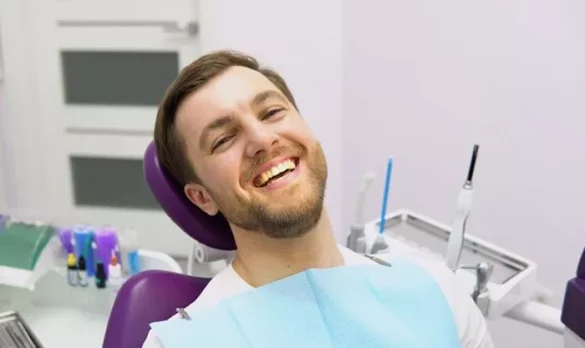
Dental health is closely linked to overall health. Teeth affect eating, speaking, confidence, and long-term medical risk. Yet many people delay or avoid care because they cannot afford it. This article has a clear goal. It explains how to fix teeth when money is limited or absent. It explains what can be done now and what can be planned for later.
Why Dental Problems Get Worse Without Treatment
Dental disease rarely stays the same. Tooth decay grows slowly at first. Pain may be absent. Bacteria continue to damage enamel. Cavities deepen into dentin. Infection can reach the pulp. Gum disease also progresses. Gingivitis can become periodontitis. Bone loss can follow. Delaying care often increases cost. It also increases complexity. Early care is cheaper than emergency care. Understanding this progression helps set priorities when money is tight.
Start With Prevention: The Cheapest Dental Treatment
Prevention costs less than repair. It also reduces future expenses.
Daily Oral Hygiene Matters
Brushing twice daily removes plaque. Fluoride toothpaste strengthens enamel. A soft-bristled brush protects gums. Flossing once daily cleans between teeth. Interdental brushes help when floss is difficult. These habits slow decay. They reduce inflammation. They are low cost.
Diet Choices Protect Teeth
Sugar feeds bacteria. Frequent snacking increases acid attacks. Acidic drinks erode enamel. Water is the best beverage.
Chewing sugar-free gum increases saliva. Saliva neutralizes acids. These changes cost little. They protect teeth daily.
Fluoride Access Without a Dentist
Fluoride is proven to prevent cavities. Community water fluoridation helps where available. Over-the-counter fluoride toothpaste is effective. Some areas offer free fluoride varnish for children. Public health clinics may provide it. Fluoride reduces the need for fillings later.
Assess What Truly Needs Fixing First
When money is limited, priorities matter.
Pain and Infection Come First
Severe pain signals infection or nerve involvement. Swelling can indicate abscess. Untreated infection can spread. This can become dangerous. Emergency care is necessary. Many hospitals treat dental infections. They may offer antibiotics and pain control. Definitive dental care is still needed later.
Function Over Appearance
Chewing ability affects nutrition. Broken teeth can cut soft tissues. Missing back teeth reduce chewing efficiency. Cosmetic concerns are valid. Yet functional needs should be addressed first when funds are scarce.
Free and Low-Cost Dental Care Options
There are legitimate ways to receive care at little or no cost.
Dental Schools and Teaching Clinics
Dental schools offer reduced-cost treatment. Care is provided by students. Licensed dentists supervise closely. Treatment takes longer. Quality standards are strict. Services often include exams, X-rays, cleanings, fillings, and extractions. Fees are much lower than private offices. This is one of the most reliable options.
Community Health Centers
Federally qualified health centers provide dental services. Fees are based on income. Sliding scale payments apply. Some patients pay very little. Services focus on essential care. These centers aim to serve uninsured and low-income patients. Availability varies by region.
Public Dental Clinics
Some local governments operate dental clinics. They target vulnerable populations. Waiting lists may exist. Services may be limited. Preventive and basic restorative care is often available.
Nonprofit and Charity Dental Programs
Charitable organizations run free dental days. Examples include Mission of Mercy events. These provide extractions, fillings, and cleanings. Care is usually first-come, first-served. Nonprofits may also fund treatment for specific groups. Seniors and children are common beneficiaries.
Government Programs That May Help
Public insurance can reduce or eliminate cost.
Medicaid and Public Insurance
Medicaid dental coverage varies by country and region. In some places, children receive comprehensive coverage. Adult coverage may be limited. Emergency dental services are often covered. Preventive care may also be included. Eligibility depends on income and status. Check local guidelines.
Children’s Dental Coverage
Many countries guarantee dental care for children. School-based programs may offer screenings and sealants. Early care prevents costly problems later.
Payment Plans and Reduced Fees
Not all low-cost care is free. Some options reduce financial burden.
Sliding Scale Fees
Sliding scales adjust fees to income. Proof of income is required. This model increases access. Many clinics use it.
In-House Payment Plans
Some dental offices offer payment plans. No third-party financing is involved. Payments are spread over time. Interest may be absent. Policies vary. Asking directly is reasonable.
Dental Discount Plans
Discount plans are not insurance. They provide reduced fees with participating dentists. Annual membership fees apply. Savings can be significant. Coverage is immediate. These plans can help when insurance is unavailable.
Choosing Lower-Cost Treatment Options
Clinical decisions affect cost.
Extractions Versus Root Canals
Root canals save teeth. They cost more. Extractions are cheaper initially. Tooth loss has long-term consequences. Adjacent teeth may shift. Bone loss can occur. Sometimes extraction is the only option. A dentist can explain risks and benefits.
Fillings Instead of Crowns
Crowns protect weak teeth. They are expensive. Large fillings may be an alternative. Longevity may be shorter. Cost is lower.
This trade-off may be acceptable short term.
Partial Dentures Instead of Implants
Dental implants are costly. Partial dentures restore function at lower cost. They require maintenance. They are removable.
For many patients, they are practical.
Emergency Dental Care Without Money
Dental emergencies need immediate attention.
Hospital Emergency Departments
Hospitals treat infections and trauma. They may not provide definitive dental repairs. They can manage pain and infection.
This stabilizes the condition.
Urgent Care Clinics
Some urgent care centers address dental pain. Services are limited. They may prescribe medication. Follow-up dental care is still required.
What to Avoid When You Cannot Afford Dental Care
Unsafe shortcuts can cause harm.
Do-It-Yourself Dental Fixes
Online remedies can be dangerous. Home drilling is unsafe. Superglue and household cement are toxic. These actions cause infection and damage. They increase future costs.
Ignoring Symptoms
Pain may stop temporarily. Infection can persist silently. Bone damage can continue. Ignoring symptoms is risky.
Long-Term Strategies to Reduce Dental Costs
Planning helps prevent future crises.
Regular Low-Cost Checkups
Annual exams catch problems early. Cleanings prevent gum disease. Dental schools and clinics offer affordable visits.
Prevention reduces emergencies.
Education and Habit Building
Learning proper brushing and flossing techniques matters. Many clinics provide education. Good habits reduce decay risk.
Saving Gradually for Care
Small monthly savings add up. Even modest funds can cover basic treatment. Planning reduces stress when problems arise.
Special Considerations for Seniors and Vulnerable Groups
Certain populations face higher risk.
Seniors on Fixed Incomes
Dry mouth from medications increases decay risk. Dentures require maintenance. Public programs may assist. Community clinics often prioritize seniors.
People With Disabilities
Access barriers exist. Specialized clinics may be available. Care coordination is important. Public services can help.
The Psychological Impact of Poor Dental Health
Dental problems affect mental well-being.
Confidence and Social Interaction
Missing or damaged teeth affect self-esteem. Avoiding smiles and speech is common. Affordable care improves quality of life.
Stress and Chronic Pain
Ongoing pain causes stress. Stress affects health. Addressing dental pain is essential, even with limited funds.
Trusted Sources for Help and Information
Reliable information guides decisions.
Professional Dental Associations
Organizations provide directories and guidance. Examples include the American Dental Association. They list low-cost care options.
Public Health Resources
Government health websites explain benefits and eligibility. They list clinics and programs. Accuracy is high.
FAQs
Is free dental care really safe?
Yes. Licensed professionals supervise care. Standards apply. Treatment may take longer. Safety is maintained.
Can bad teeth affect general health?
Yes. Oral infections link to heart disease and diabetes control. Chewing problems affect nutrition. Treating teeth supports overall health.
What is the first step if I have no money?
Start with prevention and assessment. Contact community clinics or dental schools. Address pain or infection immediately.
Conclusion
Lack of money does not mean lack of options. Preventive care is affordable. Low-cost clinics exist. Dental schools provide quality treatment. Public programs can help. Planning and prioritization matter. Unsafe shortcuts should be avoided. With informed choices, dental health can improve even with limited funds. The key is to act early, seek legitimate resources, and focus on prevention and function.