


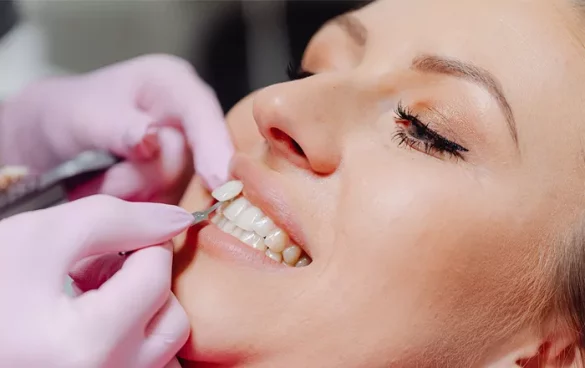
When it comes to replacing missing teeth, one of the biggest considerations is cost. Various dental solutions exist, each with its own price tag. The most affordable option will depend on your specific situation, including the number of teeth that need replacing, your overall oral health, and your budget. In this article, we will explore the cheapest options for replacing teeth while ensuring that you maintain a healthy and functional smile.
Overview of Tooth Replacement Options
Replacing missing teeth is important for both functional and aesthetic reasons. There are several options available, each varying in cost, durability, and the time required for treatment. Below, we will delve into the most common and affordable methods.
1. Dental Bridges
A dental bridge is a popular solution for replacing one or more missing teeth. This option involves creating a prosthetic tooth that is anchored to the adjacent natural teeth using crowns. Dental bridges are an affordable solution compared to implants and typically cost less in terms of both materials and labor.
Advantages of Dental Bridges
- Relatively quick procedure
- More affordable than implants
- Restores the appearance of your smile
- Can improve the function of your bite
Drawbacks of Dental Bridges
- May require altering healthy adjacent teeth
- Not as durable as implants
- Possible gum recession over time
2. Dentures
Dentures are another cost-effective option for replacing missing teeth, especially when multiple teeth are missing. They are removable prosthetics designed to fit over the gums and restore both the appearance and function of the teeth.
Types of Dentures
- Full Dentures: Used when all teeth are missing in an arch.
- Partial Dentures: Used when some natural teeth remain intact.
Advantages of Dentures
- One of the most affordable solutions
- Quick to make and easy to adjust
- Customizable to fit the patient’s mouth
Drawbacks of Dentures
- Can cause discomfort if not fitted properly
- May require periodic adjustments
- Less durable than other options
- Can affect speech and eating at first
3. Resin-Bonded Bridges
Resin-bonded bridges, also known as Maryland bridges, are an affordable and minimally invasive solution for replacing missing teeth. These bridges involve a false tooth supported by metal or porcelain wings that are bonded to the adjacent natural teeth.
Advantages of Resin-Bonded Bridges
- No need to alter surrounding healthy teeth
- Lower cost compared to traditional bridges and implants
- Quick procedure
Drawbacks of Resin-Bonded Bridges
- Not as strong or durable as other options
- May not be suitable for all tooth locations
Factors That Affect the Cost of Tooth Replacement
The cost of replacing teeth can vary based on a number of factors. Understanding these variables will help you make the most cost-effective choice for your dental needs.
1. Number of Teeth to Be Replaced
The more teeth that need replacing, the higher the cost. Full dentures, for example, are typically more expensive than partial dentures, which only replace a few missing teeth. The same principle applies to bridges and implants, with the cost increasing as the number of teeth involved grows.
2. Materials Used
The materials used in tooth replacements can greatly impact the price. High-quality materials such as porcelain or zirconia are more expensive than resin or acrylic. For example, a dental implant made from titanium is typically more expensive than a bridge made from composite material.
3. Location and Dentist Experience
The cost of dental procedures can also vary by location, with dental practices in larger cities often charging more than those in rural areas. The experience and reputation of the dentist can also affect the cost, as highly experienced professionals may charge a premium for their services.
Additional Considerations
1. Maintenance Costs
It is important to consider the ongoing maintenance costs of tooth replacements. For example, while dentures are relatively inexpensive initially, they require ongoing adjustments and replacements over time. Implants, on the other hand, may have a higher upfront cost but require less maintenance in the long run.
2. Insurance Coverage
Dental insurance may cover some of the costs of tooth replacements, especially if the replacement is medically necessary. However, most dental plans only cover a portion of the cost, and some options, such as implants, may not be covered at all.
Conclusion
When looking for the cheapest option to replace missing teeth, dentures and dental bridges stand out as the most affordable solutions. However, it is essential to consider not only the upfront costs but also the long-term durability, maintenance, and overall benefits of each option. Consulting with a dentist will help you determine the best solution for your unique situation and budget.