


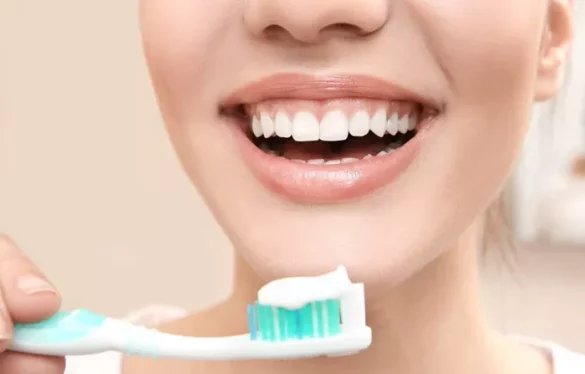
Tooth decay is one of the most common chronic diseases worldwide. It affects children, adults, and older people. Many cases are preventable. Brushing plays a central role in prevention. This article explains why brushing helps prevent tooth decay. The objective is clear. It explains the biological process, the role of bacteria, and the effect of brushing on teeth and gums.
What Is Tooth Decay?
Tooth decay is the gradual destruction of tooth structure. It starts on the outer surface. It can progress into deeper layers. It is also called dental caries.
The Structure of a Tooth
A tooth has several layers. Enamel is the hard outer layer. Dentin lies under enamel. Pulp is the inner core. Enamel has no living cells. Dentin and pulp are sensitive. Decay usually begins in enamel.
How Decay Develops
Decay develops when acids attack enamel. These acids come from bacteria. Bacteria live in dental plaque. Plaque forms daily. Without removal, damage occurs.
The Role of Dental Plaque
Plaque is a sticky biofilm. It forms on teeth every day. It contains bacteria, saliva, and food particles.
How Plaque Forms
After eating, sugars remain in the mouth. Bacteria feed on these sugars. They multiply. They attach to tooth surfaces. Plaque forms within hours.
Why Plaque Is Harmful
Plaque bacteria produce acid. Acid lowers mouth pH. Enamel begins to demineralize. Repeated acid attacks cause decay.
Why Brushing Is Essential
Brushing is a mechanical cleaning method. It disrupts plaque. It removes bacteria. It reduces acid production.
Mechanical Removal of Plaque
Brushing physically scrubs tooth surfaces. Bristles reach pits and grooves. Plaque is loosened and removed. This prevents bacterial buildup.
Reduction of Harmful Bacteria
Brushing lowers bacterial numbers. Fewer bacteria produce less acid. The mouth environment becomes safer.
How Brushing Protects Tooth Enamel
Enamel is strong but vulnerable. Acid weakens it. Brushing helps protect it.
Prevention of Demineralization
Acid removes minerals from enamel. This process is called demineralization. Brushing removes acid-producing plaque. This slows mineral loss.
Support of Remineralization
Saliva repairs early damage. Fluoride enhances repair. Brushing allows these processes to occur effectively.
The Importance of Fluoride Toothpaste
Fluoride is a key factor in decay prevention. Toothpaste delivers fluoride directly to teeth.
How Fluoride Works
Fluoride strengthens enamel. It makes enamel more acid-resistant. It also slows bacterial metabolism.
Fluoride and Daily Brushing
Brushing twice daily provides regular fluoride exposure. This ongoing protection reduces cavity risk.
Brushing and Acid Control
Acid levels in the mouth fluctuate. Brushing helps control these changes.
Neutralizing Acid After Meals
After eating, acid levels rise. Brushing removes food debris. It helps saliva restore balance.
Reducing Frequency of Acid Attacks
Each plaque layer causes acid attacks. Brushing reduces attack frequency. Enamel has time to recover.
Why Brushing Twice a Day Matters
Frequency matters in oral care. Once a day is often insufficient.
Morning Brushing Benefits
Overnight, saliva flow decreases. Bacteria multiply. Morning brushing removes accumulated plaque.
Night Brushing Benefits
Night brushing is critical. It removes daily buildup. It protects teeth during sleep.
Brushing Technique and Its Impact
Technique affects effectiveness. Poor brushing limits benefits.
Correct Brushing Angles
Bristles should angle toward the gumline. This removes plaque at critical areas.
Brushing Duration
Two minutes is recommended. Short brushing misses plaque. Consistent timing improves results.
Manual vs Electric Toothbrushes
Both types can be effective. Technique remains important.
Advantages of Manual Toothbrushes
Manual brushes are accessible. They allow control. They are effective when used correctly.
Advantages of Electric Toothbrushes
Electric brushes provide consistent motion. They can improve plaque removal. They help people with limited dexterity.
Brushing and Gum Health
Gum health affects tooth health. Inflammation increases decay risk.
Prevention of Gingivitis
Brushing removes plaque near gums. This prevents inflammation. Healthy gums protect teeth.
Gum Recession and Decay Risk
Receding gums expose roots. Roots are more vulnerable. Brushing reduces this risk.
Brushing Children’s Teeth
Early habits shape lifelong health. Children benefit greatly from brushing.
Developing Healthy Habits Early
Supervised brushing teaches technique. It reduces early decay.
Fluoride Use in Children
Age-appropriate fluoride strengthens enamel. It reduces childhood cavities.
Brushing and Diet Interaction
Diet influences decay risk. Brushing counteracts dietary effects.
Sugars and Acid Production
Sugars feed bacteria. More sugar means more acid. Brushing removes sugar residues.
Acidic Foods and Enamel
Acidic drinks soften enamel. Brushing later helps remove acid remnants.
Common Brushing Mistakes
Errors reduce effectiveness. Awareness improves outcomes.
Brushing Too Hard
Excessive force damages enamel. It can cause gum recession.
Skipping Areas
Back teeth and inner surfaces are often missed. These areas decay easily.
Brushing Alone Is Not Enough
Brushing is essential but incomplete alone. It works best with other habits.
The Role of Flossing
Floss removes plaque between teeth. Brushing cannot reach these spaces.
Regular Dental Checkups
Professional cleaning removes hardened plaque. Exams detect early decay.
Scientific Evidence Supporting Brushing
Research supports brushing benefits. Data confirms reduced decay rates.
Epidemiological Studies
Populations with regular brushing show fewer cavities. This link is consistent.
Clinical Findings
Patients who brush twice daily have lower decay progression.
Brushing and Lifelong Oral Health
Consistent brushing has long-term benefits. It preserves natural teeth.
Prevention Over Treatment
Preventing decay reduces need for fillings. It lowers healthcare costs.
Quality of Life Benefits
Healthy teeth improve comfort. They support speech and nutrition.
Conclusion
Brushing helps prevent tooth decay through several mechanisms. It removes plaque. It reduces bacteria. It limits acid attacks. It protects enamel. It supports fluoride action. The process is simple but powerful. Daily brushing remains the foundation of oral health. When done correctly and consistently, it significantly lowers the risk of tooth decay.