


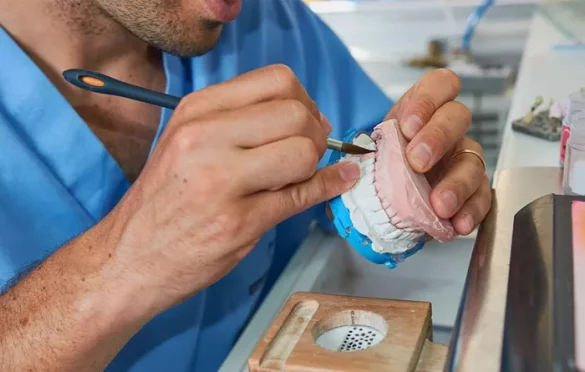
Prosthodontic treatment involves the restoration or replacement of damaged or missing teeth using dental prostheses.
While this treatment can significantly improve the appearance and functionality of a patient’s smile, it also comes with certain risks. Understanding these risks is crucial for patients and dental professionals to ensure the best outcomes.
Understanding Prosthodontic Treatment
Prosthodontics is a branch of dentistry that focuses on the restoration and replacement of teeth. It includes treatments such as dental crowns, bridges, dentures, and dental implants. These treatments help restore the function and aesthetics of the mouth, improving the patient’s quality of life. However, as with any medical procedure, there are potential risks and complications that patients should be aware of.
Types of Prosthodontic Treatments
Common types of prosthodontic treatments include:
- Dental Crowns: Caps placed over damaged or decayed teeth.
- Bridges: Fixed restorations that replace missing teeth by connecting adjacent teeth.
- Dentures: Removable replacements for missing teeth.
- Dental Implants: Artificial tooth roots placed in the jawbone to support replacement teeth.
Common Risks in Prosthodontic Treatment
While prosthodontic treatments are generally safe, they come with potential risks that may vary depending on the specific procedure. Some common risks include:
1. Infection
Infections can occur after any dental procedure, especially if there is an opening in the gums or bone. For example, after the placement of dental implants, there is a risk of developing an infection around the implant site, known as peri-implantitis. Infection can lead to the failure of the prosthetic restoration and may require further treatment or removal.
2. Allergic Reactions
Some patients may experience allergic reactions to materials used in prosthodontic treatments. For example, certain dental alloys, resins, or adhesives may cause irritation or allergic responses in sensitive individuals. It is essential to inform your dentist about any known allergies before starting treatment to avoid these risks.
3. Nerve Damage
During the placement of dental implants, there is a small risk of nerve damage. The nerve that supplies feeling to the lower lip and chin is located near the lower jaw. If the implant is placed too close to this nerve, it can cause numbness, tingling, or even permanent nerve damage. This is why careful planning and imaging are critical to avoid such complications.
4. Improper Fit or Alignment
One of the most common risks associated with prosthodontic treatments is an improper fit or alignment of the prosthetic.
If a dental crown, bridge, or denture is not properly fitted, it can lead to discomfort, difficulty chewing, and even further damage to the teeth and gums. An ill-fitting prosthesis may also increase the risk of decay or gum disease due to trapping bacteria and plaque around the edges.
5. Bite Problems
Incorrect bite alignment is another potential risk of prosthodontic treatment. If the prosthetic restoration does not align correctly with the patient’s natural bite, it can lead to issues such as jaw pain, headaches, or difficulty chewing. Over time, an improper bite can also contribute to the development of temporomandibular joint (TMJ) disorders.
6. Bone Loss (For Dental Implants)
In cases of dental implants, there is a risk of bone loss around the implant site. Bone loss can occur if the implant does not integrate properly with the jawbone (a process known as osseointegration). This can lead to implant failure or loosening over time. Maintaining good oral hygiene and following post-operative care instructions can help minimize this risk.
Long-Term Risks of Prosthodontic Treatment
While many risks associated with prosthodontic treatments are short-term, some may affect patients long after the procedure is completed. Understanding these long-term risks is essential for ensuring the longevity of prosthetic restorations.
1. Wear and Tear
Over time, dental restorations such as crowns, bridges, and dentures can wear down or become damaged. This is particularly true for materials like resin or porcelain, which may become brittle with age or wear. Regular check-ups and maintenance are necessary to ensure that these restorations continue to function properly and do not lead to additional problems.
2. Gum Recession
Gum recession is a common issue that can arise after prosthodontic treatments, especially with dental implants or crowns.
As gums recede, they can expose the edges of the prosthetic, leading to sensitivity or aesthetic concerns. Proper oral hygiene and regular dental visits can help minimize this risk.
3. Prosthesis Failure
Despite careful planning and precision, prosthodontic treatments are not immune to failure. For example, dental bridges or dentures may loosen over time, and implants may fail if not maintained correctly. This can be due to factors such as poor oral hygiene, trauma to the area, or the body’s rejection of the prosthetic. In such cases, patients may require replacement or adjustments.
4. Difficulty in Speech and Chewing
Patients may experience difficulty in speech or chewing after prosthodontic treatments, particularly if the prosthesis is not well fitted or aligned. This is especially common with dentures, which may take time to get used to. In some cases, patients may require adjustments or the use of adhesive to keep dentures in place. Over time, with proper adjustment, these difficulties usually resolve.
Mitigating Risks in Prosthodontic Treatment
While there are inherent risks in prosthodontic treatment, there are several steps that both patients and dental professionals can take to mitigate these risks and ensure successful outcomes.
1. Thorough Consultation and Assessment
Before undergoing any prosthodontic treatment, it is essential for patients to have a thorough consultation with their dentist. This consultation should include a comprehensive examination, imaging (such as X-rays), and discussion of the patient’s medical history. This allows the dentist to identify any potential risks and create a personalized treatment plan to minimize complications.
2. Selecting the Right Materials
The choice of materials used in prosthodontic treatment can have a significant impact on the long-term success of the procedure. Discussing material options with the dentist, considering allergies, and selecting biocompatible materials can reduce the risk of complications such as allergic reactions or poor fit.
3. Proper Aftercare
After any prosthodontic procedure, following post-operative care instructions is crucial. This may include recommendations for oral hygiene, diet restrictions, and avoiding excessive force on the new prosthesis. Regular follow-up visits to the dentist will also help monitor the condition of the restoration and address any concerns early on.
4. Regular Check-Ups
Regular dental visits are essential for maintaining the health of both the prosthetic and the surrounding teeth and gums.
Through routine check-ups, the dentist can detect potential issues early and take corrective actions before they develop into serious problems.
Conclusion
Prosthodontic treatments offer numerous benefits, including improved appearance, function, and confidence. However, they come with potential risks that should be carefully considered before undergoing treatment. By understanding these risks and working closely with a qualified dental professional, patients can take the necessary steps to minimize complications and ensure the long-term success of their prosthodontic restorations.