


Rural Tennessee communities are grappling with a mounting healthcare crisis. Between 2019 and 2024, the state lost 42% of its independent physicians and 44% of its independent medical practices, according to a recent report from the Physicians Advocacy Institute. Declining reimbursements, workforce shortages, and hospital closures have left residents with limited access to essential care, including dental services.
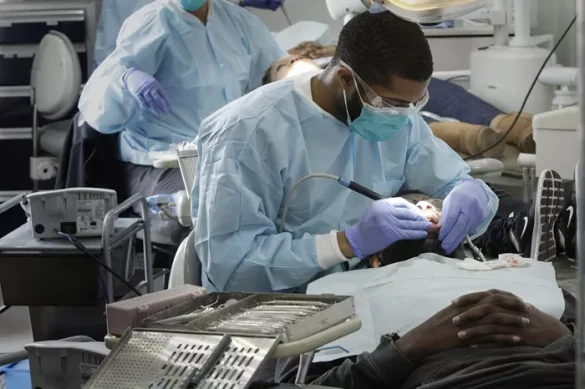
In response, Meharry Medical College, a historically Black institution affiliated with the United Methodist Church, has expanded its mobile dental care program to reach underserved communities. The initiative delivers affordable preventive care directly to rural areas, targeting populations often left behind by traditional healthcare systems.
Dr. Julie Gray, associate dean of community affairs and a 1999 graduate of Meharry’s School of Dentistry, leads the program.
“The state of health and dental care in Tennessee has very much been affected by the decline,” Gray told U.S. News in February. “Many people are uninsured and lack access to care. They often wait until they have urgent or emergent needs because their dental issues go untreated.”
The mobile clinics prioritize preventive services, offering cleanings, fillings, and other routine care aimed at stopping minor issues before they require costly procedures such as root canals or extractions. “We try to take care of patients before they have a problem,” Gray said. “Addressing issues early helps avoid emergency room visits, which are far more expensive.”
Accessibility is a core element of the program. Mobile units travel to churches, schools, and community centers, reaching residents who face transportation barriers or cannot schedule appointments during standard business hours. Since its launch in 2018, the program has expanded across rural Tennessee, including West Tennessee, where dental services are especially scarce. The initiative paused during the COVID-19 pandemic but resumed in 2021 with renewed outreach efforts.
Community response has been overwhelmingly positive. At some evening events, residents wait in line after hours for cleanings because daytime appointments conflict with work schedules. Gray emphasized that preventive dental care not only addresses oral health but also reduces broader health risks. Tooth loss, for example, can impair chewing and digestion, contributing to systemic health problems.
Partnerships with churches and local organizations are critical to the program’s success. “Aligning with community partners who share our mission helps patients feel comfortable and ensures we can continue meeting their needs,” Gray said.
As rural hospitals continue to face financial strain, Meharry’s mobile dental model offers a sustainable solution for maintaining access to care. By combining prevention, education, and community outreach, the program helps vulnerable Tennesseans preserve their oral health and prevent costly emergencies.