

Key Takeaways
- It’s common for mouthwash to cause a subtle and temporary burning sensation in the mouth.
- However, severe burning might indicate a sensitivity to an ingredient like alcohol, chlorhexidine, or menthol.
- If you experience adverse reactions to a mouthwash, it’s recommended to discontinue use and speak with your dentist.
- You can also test various products, such as alcohol-free and natural mouthwashes, to determine what works for you.
Transform your smile with the best toothbrushes of 2026. Find your perfect brush here.
Should Mouthwash Burn?
Mouthwash, also known as oral rinse or mouth rinse, is a liquid-based dental hygiene product that:
- Cleans the mouth
- Freshens breath
- Eliminates bacteria on the tongue and between the teeth
It’s common for mouthwash to cause a subtle, temporary tingling or burning sensation. However, they shouldn’t cause severe pain or burning.
Using a mouthwash that you’re sensitive to can irritate mouth tissue and lead to ulcers. It’s recommended to discontinue use if you use it as directed and still experience ongoing burning or discomfort. It might also be worth visiting your dentist to determine an alternative solution.
3 Reasons Why Your Mouthwash Burns
Mouthwash can cause a burning sensation for the following reasons:
1. Alcohol
When you use mouthwash with alcohol, you might notice the burning feeling centralizes on your tongue. This is because taste buds on the tongue are more sensitive to alcohol than other areas in the mouth.
2. Chlorhexidine
According to the Food and Drug Administration, some people have an uncommon but severe allergy to chlorhexidine.
3. Menthol
Other typical mouthwash ingredients that can cause a tingling sensation include:
- Hydrogen peroxide
- Peppermint oil
- Eucalyptus oil
- Thyme oil
Explore our top-rated water flossers for 2026. See our recommendations.
What to Do if a Mouthwash is Burning Your Mouth
If your mouthwash causes ongoing burning symptoms or discomfort, stop using it. Consider diluting the mouthwash or opting for an alcohol-free alternative.
If you switch to an alcohol-free mouthwash but still experience burning, you might be sensitive to one of the other active ingredients. If so, sample a few formulas to find a rinse that works for you.
Best ‘Burn-Free’ Mouthwash Alternatives
Alcohol-free and natural mouthwashes eliminate the burning sensation while still fighting plaque and bacteria. These are some of the top-rated burn-free options available on Amazon:
Listerine Naturals Antiseptic Mouthwash
Best Overall Mouthwash (Editor’s Choice)
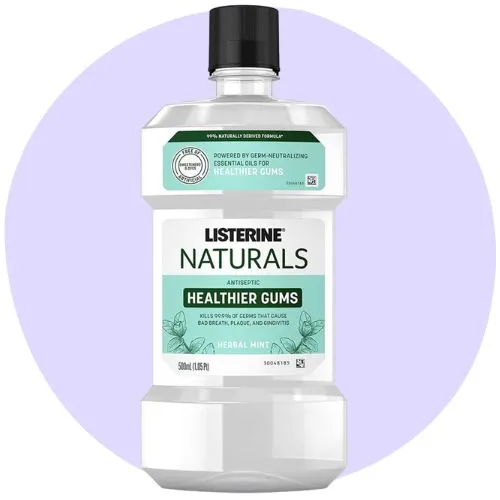
Listerine is a popular mouthwash brand. This Naturals Antiseptic Mouthwash is a budget-friendly and natural option that reduces bad breath and removes plaque and bacteria.
Listerine labels the mouthwash as ‘99% natural.’ However, it contains alcohol, making the formula unsuitable for some people.
Contains the active ingredients:
- Peppermint
- Eucalyptus
- Thyme
Check Price on Amazon
Hello Naturally Healthy Antigingivitis Mouthwash
Best Overall: Runner Up
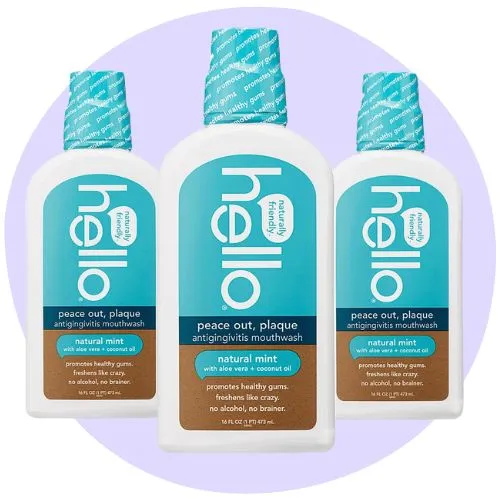
The Hello Naturally Healthy Antigingivitis Mouthwash is both fluoride and alcohol-free. It also uses aloe vera, which may reduce plaque and bacteria.
This product is available on Amazon and at your local drugstore in three different flavors:
- Mint
- Watermelon
- Peppermint (menthol-based)
Check Price on Amazon
Tom’s of Maine Refreshing Mint Sea Salt Mouthwash
Best on a Budget
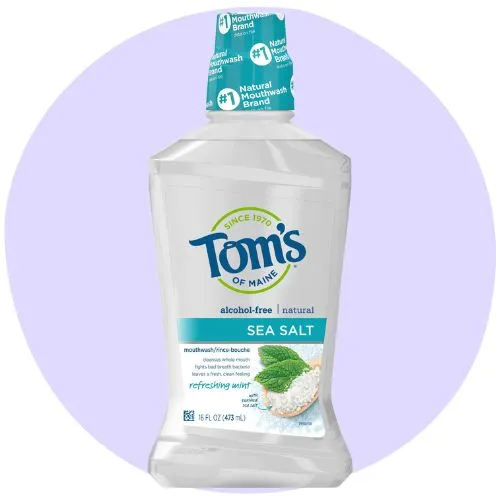
The Tom’s of Maine Refreshing Mint Sea Salt Mouthwash combines sea salt, aloe vera, and essential oils to clean your mouth and prevent plaque buildup. It also contains mint to freshen your breath and is alcohol-free.
Check Price on Amazon
Smile brighter, fight cavities, freshen breath – 2026’s best toothpastes deliver. See our expert picks here.
Is Mouthwash Good For Your Teeth?
Using mouthwash as part of your daily oral hygiene routine has various benefits, which can help address a particular issue and maintain proper oral hygiene.
The benefits of using mouthwash include:
1. Gum Disease Prevention
Using mouthwash helps reduce the bacteria in your mouth, decreasing the amount of plaque that forms. Mouthwashes with strong antimicrobial properties also help prevent gum disease and tooth decay.
2. Bad Breath Prevention
Alcohol-based mouth rinses also reduce bacteria that cause bad breath (halitosis).
3. Teeth Whitening
Mouthwash designed to whiten teeth often contains bleaching or whitening ingredients like hydrogen peroxide. Some contain other ingredients like coconut oil or activated charcoal.
4. Teeth Strengthening
Mouthwash designed to prevent cavities usually contains fluoride, which strengthens tooth enamel.
Do Dentists Prescribe Mouthwash?
Dentists prescribe therapeutic mouthwashes to treat various oral health conditions. For example, chlorhexidine mouthwash is sometimes prescribed to treat the symptoms of gingivitis.
Therapeutic mouthwash is commonly prescribed to:
- Clean a dry socket following tooth extraction
- Manage side effects of cancer treatments, including oral mucositis
- Encourage saliva production if you have a dry mouth
Mouthwash shouldn’t be ingested in high amounts, especially by children. The American Dental Association (ADA) doesn’t recommend mouthwash for children under 6.3
If you have concerns about using a mouthwash, speak with a doctor or dentist first.
Fresher breath, healthier gums, stronger teeth – find it all in 2026’s best mouthwashes. Explore the top picks here.