


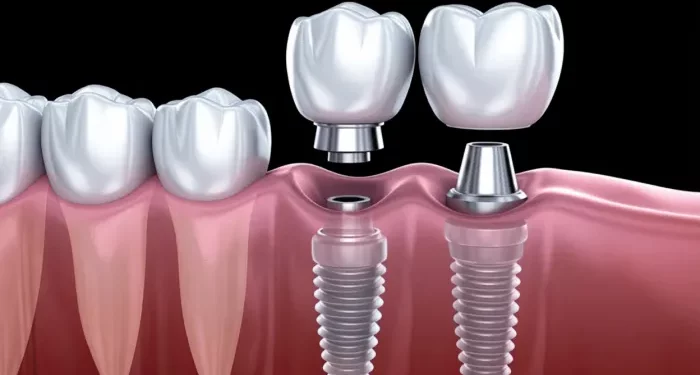
Dental implants have become a central part of modern dentistry, restoring smiles for people who have lost teeth. Thanks to ongoing advances in technology and materials, the field has seen continual improvement in both patient outcomes and long-term implant success. Titanium, in particular, has stood out for its strong mechanical properties, corrosion resistance, and reliable integration with bone—a process known as osseointegration.
However, titanium implants also face challenges in the dynamic and complex environment of the human mouth. One key issue is material degradation, caused by a combination of mechanical wear and chemical processes. This process, called tribocorrosion, involves both physical friction and electrochemical reactions. When these material losses are combined with biological factors like oral bacteria, saliva composition, body immune responses, and changes in mouth acidity, the phenomenon is known as bio-tribocorrosion.
Researchers have found that frequent chewing forces, changes in pH levels, exposure to fluoride, and build-up of biofilms can weaken the thin protective layer on titanium implants. As this oxide layer gets worn away by friction and chemical activity, titanium ions and particles are released into surrounding gum and bone tissue. These small particles can trigger inflammation in the gums and bone around the implant, sometimes leading to tissue loss or even implant failure if not properly managed.
To address these complexities, scientists and engineers are working on new strategies. Alternatives like titanium alloys, surface coatings, and modified implant designs are being tested to improve stability and reduce wear. For example, certain alloys are more resistant to corrosion, while new surface textures or ceramic layers may help preserve the protective barrier even in difficult oral conditions. Meanwhile, healing abutments and other advanced components are being manufactured with precise specifications to fit popular implant systems, further boosting compatibility and recovery after surgery.
Despite the progress, experts note the need for more comprehensive clinical research and standardized testing methods that reflect real-life challenges faced in daily dental practice. Understanding how different chemical and mechanical factors combine to affect implant survival is now seen as essential for developing better products and treatments. As the field evolves, close collaboration between material scientists, engineers, dentists, and researchers remains crucial to maximizing the benefits of dental implants and ensuring patients receive safe, effective, and lasting solutions.
Tags: dental implantsteeth