


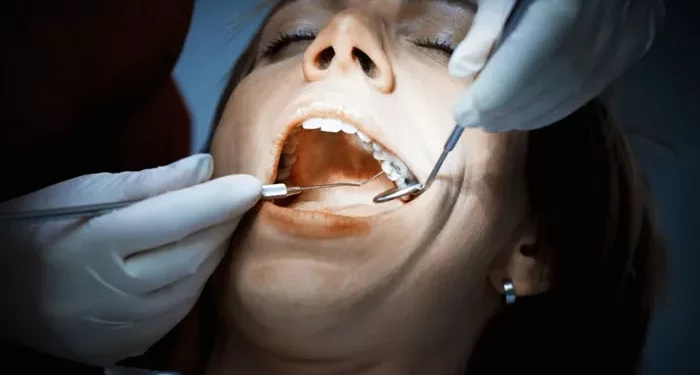
Tens of millions of dollars are being paid out each quarter in dental grants, prompting advocates to argue that excluding dental care from the public health system ultimately costs the government more than fully funding it.
Publicly funded dental care in New Zealand is generally limited to people under 18. Adults on low incomes must rely on grants administered by the Ministry of Social Development (MSD).
MSD data shows that in the March quarter of last year, just under 30,000 dental grants were issued, with a total value of $22.2 million. Of these, 9,330 were recoverable. The previous quarter saw 28,398 grants worth $21.1 million, while the quarter before that recorded 33,045 grants totalling $24.9 million. Across 2023, dental grants reached $90.2 million.
People on low incomes and with limited assets can receive up to $1,000 a year in non-repayable dental grants. Assistance above that level may need to be repaid.
A recent Citizens Advice Bureau (CAB) report said many clients were struggling to afford dental treatment and faced strict criteria to access emergency grants from Work and Income. CAB said treatment must be deemed “immediate and essential,” leaving people with long-term dental problems unable to secure funding for dentures after extractions.
The report said some dentists were unwilling to remove teeth unless patients could afford dentures, leaving people in pain and unable to eat or speak properly. As a result, clients explored alternatives such as payment plans, emergency department visits, food parcels, KiwiSaver withdrawals and budgeting services.
CAB cited one case in which a client was referred by Work and Income after being unable to pay for dentures. The only support available was a recoverable advance that required repayments of about $60 a week, which the client could not afford. Despite the dental issues being linked to long-term medication following an accident, ACC did not cover the treatment, and dentures were excluded from emergency grant criteria.
The New Zealand Dental Association reported in 2023 that the cost of dental procedures had risen sharply over the previous three years, in some cases by more than 20 percent.
Green MP Ricardo Menéndez-March said people were being pushed into debt to access “basic healthcare,” leaving them with pain and decaying teeth. He said while grant thresholds had increased, many people still relied on ongoing assistance for dental treatment.
“This reinforces our call for dental care to be part of the public healthcare system,” he said, adding that the current model effectively subsidised private providers.
Hana Pilkinton-Ching, spokesperson for the Dental for All campaign, said the problem was larger than many realised and had wider health and economic consequences.
“The income cutoff is low, and grants are limited to urgent treatment,” she said. “People often only get relief like extractions, rather than preventive care that could stop problems escalating.”
She said untreated dental issues sometimes led to emergency department visits and hospital admissions. “It costs the country more to leave people without access to dental care than it would to fund it publicly.”
The New Zealand Health Survey found more than 40 percent of adults had unmet dental needs due to cost.
MSD group general manager of client service delivery Graham Allpress said the ministry recognised cost-of-living pressures. He said support through Special Needs Grants increased from $300 to $1,000 in December 2022, and the requirement for treatment to be considered an emergency was removed.
“These changes mean thousands more people are eligible for support, and this does not need to be paid back,” he said. While dentures are not covered, MSD may offer interest-free advance payments of up to six weeks of a person’s benefit, which must be repaid.
Allpress said repayment levels were set to be manageable, generally no more than $40 a week, and could be reduced in cases of hardship. He added that MSD had met with CAB to discuss concerns and was willing to review cases where support had been declined.