

Researchers at King’s College London say a protein from hair and wool can rebuild tooth enamel and halt early decay — a discovery that could lead to keratin-based toothpastes or professional gels within a few years.
In laboratory experiments, the team applied keratin films to tooth surfaces. When the protein met minerals in saliva, it formed an ordered, crystal-like scaffold that mimics natural enamel. Over time the scaffold attracted calcium and phosphate, growing an enamel-like coating.
The authors report that the keratin layer is dense and protective. It both strengthens the tooth surface and can seal exposed nerve channels that cause sensitivity, offering structural and symptomatic relief beyond what current fluoride pastes provide.
Sara Gamea, the study’s first author and a PhD researcher at King’s College, called keratin a “transformative alternative” to conventional dental materials. The team says keratin can be sourced from biological waste such as hair and wool, making it a more sustainable option than synthetic plastic resins used in restorative dentistry.
Senior author Dr Sherif Elsharkawy, a prosthodontics consultant, noted that enamel cannot regenerate naturally, so an externally applied, enamel-like material could change how clinicians treat early-stage decay and sensitivity.
The full study, “Biomimetic Mineralization of Keratin Scaffolds for Enamel Regeneration,” was published online in Advanced Healthcare Materials on 12 August 2025. The article describes the keratin films’ structure and their potential to restore both the appearance and mechanical properties of damaged enamel.
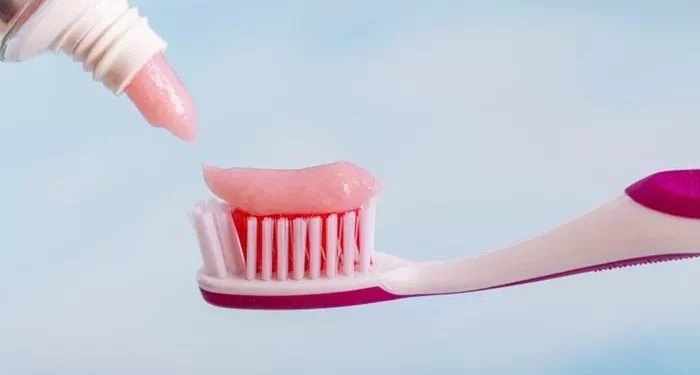
Researchers say the treatment could be delivered as an everyday toothpaste ingredient or as a professionally applied gel similar to nail varnish for targeted repair. The team estimates that, with further development and industry partnerships, consumer products might reach the market in roughly two to three years — pending formulation, clinical trials and regulatory approvals.
Experts caution that the results so far are preclinical. Independent clinical trials will be needed to confirm safety, durability and effectiveness in everyday oral environments. If those steps succeed, the keratin approach could offer an affordable, eco-friendly option for preventive and restorative dental care.
What this means for patients
For now, standard oral-health measures — brushing with fluoride toothpaste, flossing, reducing sugar intake and visiting a dentist — remain essential. The keratin findings add a promising candidate to future dental toolkits, especially for treating early enamel loss before fillings are required.