


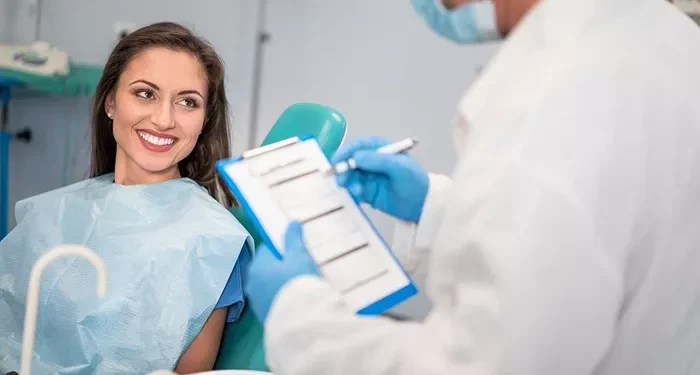
With the rapid growth of medical tourism, Turkey, particularly Istanbul and Antalya, renowned for their cosmetic and dental treatments, is attracting a growing number of British tourists.
Due to its affordable prices and convenient access to healthcare, Turkey has become a popular choice for many Britons seeking economical alternatives to treatments at home.
Cosmetic procedures such as dental implants and “Turkish teeth” (veneers) are particularly popular, often costing 40% to 60% less than in the UK.
For example, dental veneers in the UK can cost up to £9,000, while in Turkey they cost only between £1,500 and £2,400. Many clinics offer packages that include transfers, accommodation, and transportation, further enhancing their appeal.
However, medical tourism safety expert Simon Hood warns that low prices can be risky. While some Turkish clinics claim to boast luxurious facilities and board accreditation, this may not be the case.
Because medical regulatory standards in Turkey differ from those in the UK, patients should conduct thorough research before choosing a clinic, particularly confirming whether the clinic is accredited by the Joint Commission International (JCI) and whether the surgeon is affiliated with the Turkish Society of Plastic, Reconstructive and Aesthetic Surgeons (TSPRAS).
According to statistics, approximately 250,000 British people choose to seek medical treatment abroad, with Turkey becoming a popular destination to avoid the long waits and high costs of the NHS.
However, data from the British Association of Aesthetic Plastic Surgeons shows that over 300 British patients need to return home for corrective surgery after receiving cosmetic treatments in Turkey and other countries.
The boom in medical tourism presents opportunities for Turkey’s tourism industry, stimulating demand for local accommodation, food, and other services. However, it also puts pressure on medical institutions, which may struggle to cope with the surge in patients.
Travelers traveling to Turkey for medical or cosmetic treatments should be well prepared: thoroughly research the clinic’s credentials, read patient reviews, verify safety and hygiene standards, avoid unqualified clinics with apparently low prices, and consult with a British medical expert before traveling. It is also crucial to purchase travel insurance that covers medical complications.
Overall, the boom in medical tourism in Turkey has boosted tourism, but safety risks should not be ignored. While seeking value, British travelers should make careful decisions, fully understand potential risks, and ensure their own safety.