


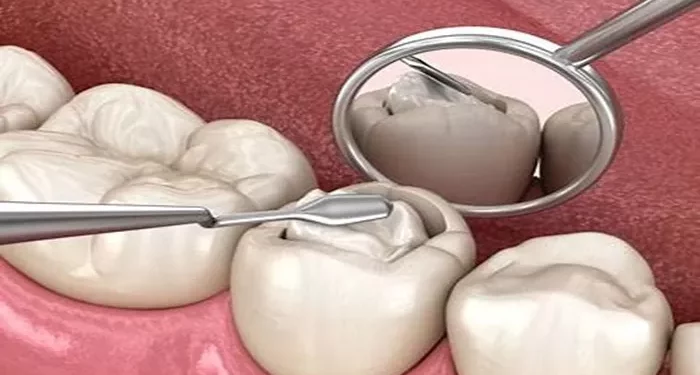
Dental fillings are the most common treatment for cavities, restoring teeth damaged by decay to their normal function and shape. While the procedure may seem straightforward, it requires specific training and expertise. This article explains the dental professionals qualified to fill cavities, the materials they use, and what patients should expect during this essential restorative treatment.
General Dentists: Primary Providers of Dental Fillings
Routine Filling Procedures
General dentists perform:
- 90% of all cavity fillings
- Comprehensive diagnosis of tooth decay
- Tooth preparation and restoration
- Follow-up care and evaluation
- Preventive counseling
Advantages of General Dentists
Benefits include:
- Convenience of one provider
- Familiarity with patient history
- Continuity of care
- Comprehensive treatment planning
- Cost-effectiveness
Pediatric Dentists: Filling Children’s Teeth
Specialized Training
Pediatric dentists complete:
- 2-3 years additional training
- Child psychology education
- Behavior management techniques
- Growth and development studies
- Special needs dentistry
Child-Friendly Approaches
Common techniques:
- Tell-show-do method
- Positive reinforcement
- Age-appropriate explanations
- Distraction techniques
- Minimal sedation options
Alternative Filling Providers
Dental Therapists
In some regions:
- Provide basic fillings
- Work under supervision
- Focus on prevention
- Serve rural/underserved areas
- Limited to simple cases
Community Health Clinics
Public health options:
- Lower-cost services
- Dental student supervision
- Emphasis on education
- Basic restorative care
- Prevention programs
The Dental Team Supporting Filling Procedures
Dental Hygienists
Preventive roles:
- Oral health assessments
- Professional cleanings
- Fluoride treatments
- Sealant applications
- Patient education
Dental Assistants
Clinical support:
- Preparation of materials
- Chairside assistance
- Patient comfort measures
- Sterilization procedures
- Post-op instructions
Types of Dental Fillings Available
Direct Fillings (Placed in One Visit)
Common options:
- Composite resin (tooth-colored)
- Amalgam (silver)
- Glass ionomer
- Resin-modified glass ionomer
- Compomer materials
Indirect Restorations (Custom-Made)
Laboratory-fabricated:
- Porcelain inlays/onlays
- Gold inlays/onlays
- Ceramic crowns
- Zirconia restorations
- CAD/CAM same-day options
The Filling Procedure Step-by-Step
Preparation Phase
Initial steps:
- Local anesthesia
- Tooth isolation (rubber dam)
- Decay removal
- Tooth shaping
- Disinfection
Restoration Phase
Filling placement:
- Material selection
- Bonding process
- Layering/curing
- Bite adjustment
- Final polishing
Factors Influencing Filling Choices
Clinical Considerations
Tooth-specific factors:
- Location in mouth
- Extent of decay
- Biting forces
- Aesthetic needs
- Existing restorations
Patient Factors
Individual preferences:
- Material concerns
- Cost considerations
- Allergies/sensitivities
- Longevity expectations
- Appearance priorities
Modern Advances in Filling Technology
Digital Dentistry
Innovative tools:
- Intraoral scanners
- CAD/CAM systems
- 3D printing
- Digital shade matching
- AI-assisted design
New Materials
Recent developments:
- Nano-hybrid composites
- Bioactive materials
- Self-healing polymers
- Improved glass ionomers
- Stronger ceramics
Pain Management During Filling Procedures
Local Anesthesia
Standard approach:
- Topical numbing gel
- Comfortable injections
- Fast-acting formulas
- Long-lasting options
- Computer-controlled delivery
Anxiety Control
Options for nervous patients:
- Nitrous oxide sedation
- Oral sedatives
- IV sedation (complex cases)
- Relaxation techniques
- Distraction methods
Aftercare and Filling Maintenance
Immediate Post-Procedure Care
Typical guidelines:
- Wait until numbness wears off to eat
- Avoid extreme temperatures initially
- Practice gentle oral hygiene
- Monitor for any issues
- Follow all instructions
Long-Term Preservation
Maintaining fillings:
- Excellent daily cleaning
- Regular dental checkups
- Avoid chewing hard objects
- Wear night guards if recommended
- Address problems promptly
Cost and Insurance Considerations
Pricing Factors
Cost variables:
- Material selected
- Number of surfaces
- Tooth location
- Geographic region
- Provider experience
Insurance Coverage
Typical benefits:
- Preventive care: 100%
- Basic fillings: 70-80%
- Major services: 50%
- Annual maximums apply
- Material limitations possible
Conclusion
Dental fillings are most commonly placed by general dentists, with pediatric dentists specializing in children’s care. The procedure has evolved significantly with advanced materials and techniques that provide durable, natural-looking results. Modern dentistry offers multiple filling options to suit different clinical needs and patient preferences.
Early detection and treatment of cavities leads to simpler, more conservative fillings that preserve maximum tooth structure. Regular dental visits combined with excellent home care help identify cavities when they’re small and prevent new ones from forming. If you suspect you have cavities, don’t delay treatment – the sooner decay is addressed, the better the long-term outcomes for your oral health.
Related topic:
- Does Dental Insurance Cover Fillings for Cavities?
- Where Do Cavities Hurt?
- Can Tiny Cavities Be Healed
Tags: Dental Insuranceteethtoothtooth decay