


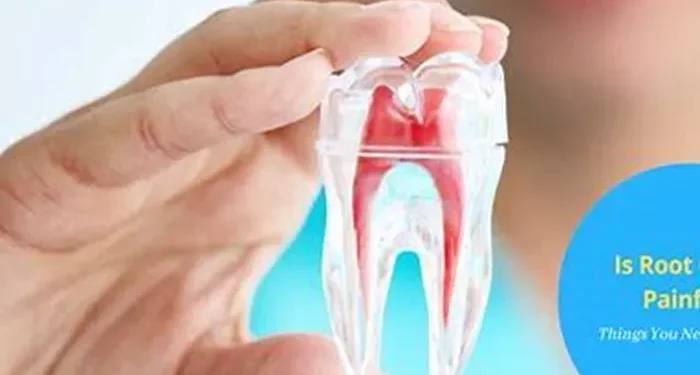
Root canal treatment often carries a reputation for being extremely painful. Many patients dread hearing they need this procedure based on stories they’ve heard or past experiences. But is this fear justified? This article explores why root canals can be painful, separates fact from fiction, and explains modern techniques that make the procedure much more comfortable than its reputation suggests.
Understanding Root Canal Treatment
What Is a Root Canal?
A root canal is a dental procedure that treats infection or damage in a tooth‘s pulp – the soft inner tissue containing nerves and blood vessels. The treatment involves:
- Removing infected or inflamed pulp
- Cleaning and disinfecting the root canal system
- Filling and sealing the space
When Is a Root Canal Needed?
Common reasons for needing root canal treatment include:
- Deep decay reaching the tooth pulp
- Cracked or fractured teeth exposing the pulp
- Trauma to the tooth
- Repeated dental procedures on the same tooth
- Severe gum disease affecting the tooth roots
The Pain Factors: Why Root Canals Can Hurt
Pre-Treatment Pain
Most pain associated with root canals actually occurs before the treatment, not during it. The tooth becomes painful because:
- Infection causes pressure buildup inside the tooth
- Inflamed pulp tissue presses against nerve endings
- Bacteria produce gases that expand in confined spaces
Tooth Anatomy Challenges
Some teeth present special challenges that can affect comfort during treatment:
- Curved or narrow root canals that are difficult to clean
- Extra canals that might be missed initially
- Calcified canals that are hard to access
- Proximity to sinus cavities (upper teeth) or nerves (lower teeth)
Inflammation and Infection
Active infection can make anesthesia less effective because:
- Acidic environment from infection reduces anesthetic effectiveness
- Inflamed tissues have altered pH levels
- Pus and swelling create pressure that’s hard to numb completely
The Procedure: What Actually Happens
Step-by-Step Process
Modern root canal treatment typically follows these steps:
- Dental X-rays to assess root structure
- Local anesthesia to numb the area
- Placement of dental dam for isolation
- Access opening through the tooth crown
- Removal of infected pulp tissue
- Cleaning and shaping of root canals
- Disinfection with antimicrobial solutions
- Filling the canals with biocompatible material
- Temporary or permanent restoration
Duration Factors
Treatment length affects comfort:
- Molars with multiple roots take longer (90-120 minutes)
- Front teeth are usually quicker (45-60 minutes)
- Complicated cases may require multiple visits
Modern Advances in Pain Management
Improved Anesthetic Techniques
Dentists now use:
- Topical anesthetics before injections
- Computer-controlled delivery systems
- Buffered anesthetics for infected teeth
- Alternative injection techniques for better numbing
Advanced Equipment
New technologies enhance comfort:
- Electronic apex locators measure root length precisely
- Rotary instruments clean canals faster and more gently
- Dental microscopes improve visibility
- Digital imaging reduces radiation exposure
Sedation Options
For anxious patients:
- Nitrous oxide (laughing gas)
- Oral sedatives
- IV sedation in some cases
Post-Treatment Pain: What to Expect
Normal Recovery
Some discomfort is normal after treatment:
- Mild tenderness for 2-3 days
- Sensitivity to pressure when biting
- Occasional dull ache
Managing Post-Procedure Pain
Effective strategies include:
- Over-the-counter pain relievers (ibuprofen works best)
- Avoiding chewing on the treated tooth
- Applying cold compresses if swollen
- Following dentist’s aftercare instructions
When to Call Your Dentist
Contact your dentist if you experience:
- Severe pain not relieved by medication
- Visible swelling inside or outside mouth
- Reaction to medications
- High fever
- The temporary filling comes out
Debunking Root Canal Myths
Myth: Root canals are extremely painful
Truth: Modern techniques make the procedure no more uncomfortable than a filling for most patients. The pain people associate with root canals usually comes from the infection before treatment.
Myth: It’s better to pull the tooth
Truth: Saving your natural tooth is almost always better. Tooth replacement options are more expensive and never function as well as your natural tooth.
Myth: Root canals cause illness
Truth: This outdated idea comes from poorly done research from nearly 100 years ago. Modern root canal treatment is safe and effective.
Myth: If it doesn’t hurt, you don’t need a root canal
Truth: Teeth can die without obvious pain. Regular checkups can catch problems early before they become painful.
Preventing the Need for Root Canals
Good Oral Hygiene Basics
- Brush twice daily with fluoride toothpaste
- Floss daily to clean between teeth
- Use antimicrobial mouthwash if recommended
Smart Dietary Choices
- Limit sugary foods and drinks
- Avoid frequent snacking
- Drink plenty of water
- Eat tooth-friendly foods like cheese and crunchy vegetables
Protective Measures
- Wear mouthguards for sports
- Address teeth grinding (bruxism)
- Get chips or cracks treated promptly
Regular Dental Care
- Professional cleanings every 6 months
- Prompt treatment of cavities
- X-rays as recommended by your dentist
Alternatives to Root Canal Treatment
Tooth Extraction
Removing the tooth is the only alternative, but leads to:
- Bone loss in the jaw
- Shifting of adjacent teeth
- Need for replacement (implant, bridge, or denture)
Pulp Capping
For very small exposures:
- Direct pulp capping (medication placed over exposure)
- Indirect pulp capping (leaving some decay to avoid exposure)
No Treatment
Choosing no treatment risks:
- Spread of infection
- Abscess formation
- Bone loss
- Systemic infection in rare cases
The Future of Root Canal Treatment
Regenerative Endodontics
Emerging techniques aim to:
- Stimulate regrowth of pulp tissue
- Use stem cells to regenerate tooth structure
- Create bioactive materials that promote healing
Improved Imaging
Advances include:
- 3D cone beam CT scans for better diagnosis
- Enhanced digital radiography
- Optical coherence tomography
Laser Technology
Potential benefits:
- More precise removal of infected tissue
- Better disinfection of canals
- Reduced post-operative discomfort
Conclusion
While root canal treatment has historically been associated with pain, modern dentistry has made tremendous advances in patient comfort. The procedure itself is typically no more uncomfortable than getting a filling when performed with proper techniques and anesthesia. Most of the pain people experience comes from the infection that makes the root canal necessary in the first place.
Understanding what to expect from root canal treatment can help alleviate anxiety about the procedure. With today’s technology and pain management options, patients can undergo this tooth-saving treatment with minimal discomfort. The key is to seek treatment early at the first signs of trouble, before the infection becomes severe.
Remember that saving your natural tooth through root canal treatment is almost always the best option for your long-term oral health. If you’re experiencing tooth pain or have been told you need a root canal, don’t delay treatment out of fear – modern dentistry can make the experience much more comfortable than you might expect.